How to Say Hello, Thank You, and Please in Arabic
During your visit to Egypt, learning a few simple Egyptian Arabic words or phrases can make a real difference in your daily experience. Knowing how to say hello in Arabic, how to say thank you, or how to ask for something politely can make everyday interactions smoother and more enjoyable. Egyptians genuinely appreciate it when tourists try to use Arabic words, even if the pronunciation is not perfect.
You do not need to learn Arabic fluently to get by in Egypt. Just a few or essintial common Egyptian Arabic phrases can make communication easier while using transportation, shopping in local markets, ordering food, or speaking with people in hotels and restaurants.
Why Learn a Few Egyptian Arabic Phrases?
- Egyptians appreciate greetings and polite expressions.
- A few simple words can make daily communication much easier.
- Using the local dialect leaves a good impression and helps break the ice.
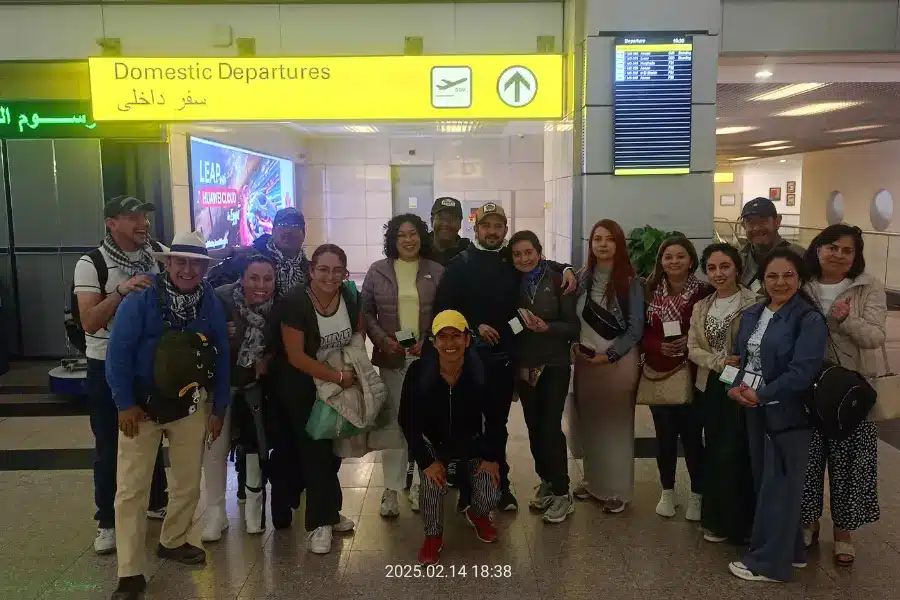
A few simple Egyptian Arabic phrases can help tourists feel more confident from the moment they arrive in Egypt.
How to Say Hello in Arabic (and Egyptian Arabic)
Knowing how to say hello in Arabic is one of the easiest ways to start conversations in Egypt on the right foot. While Modern Standard Arabic is used in formal situations, everyday conversations in Egypt are usually in Egyptian Arabic. When visitors try even a few local words, Egyptians often respond with warmth and encouragement, even if the pronunciation is not perfect.
In Modern Standard Arabic, the common greeting is “As-salamu alaykum”, which means “peace be upon you.” It is a respectful and widely understood greeting. In everyday Egyptian Arabic, however, people more often use simple greetings such as “Ahlan,” “Ahlan wa sahlan,” or “Salam.” These are common, friendly expressions that tourists can use easily in daily situations.
Variations of Hello in Egypt
Egyptians use different greetings depending on the time of day and the situation, which makes communication feel more natural and friendly.
- Sabah el kheir: means good morning and is commonly used in the morning at hotels, markets, or in taxis.
- Masa el kheir: means good evening and is usually used later in the day or at night.
- Ezayak (to a man) / Ezayek (to a woman): means how are you? and is one of the most common everyday phrases in Egyptian Arabic.
How to Say Thank You in Arabic
How to Say Thank You in Arabic
Learning how to say thank you in Arabic is very useful during your trip to Egypt, as it makes daily communication easier and leaves a good impression. In both Modern Standard Arabic and Egyptian Arabic, the most common word is “Shokran,” which means “thank you.” It is simple, polite, and widely understood across Egypt. A common reply is “Afwan,” which means “you’re welcome.”
In everyday Egyptian Arabic, Shokran is the easiest and most useful word to remember. You can use it in restaurants, shops, hotels, taxis, and almost any daily situation where you want to show appreciation politely.
Other Ways to Say Thanks in Egyptian Arabic
Egyptians also use a few other expressions to show appreciation in a warmer or more personal way:
- Motashakker awi: means thanks a lot and is a friendly way to express stronger gratitude.
- Kteer kheirak: a local expression used to show appreciation, similar to saying I really appreciate it or that is very kind of you.
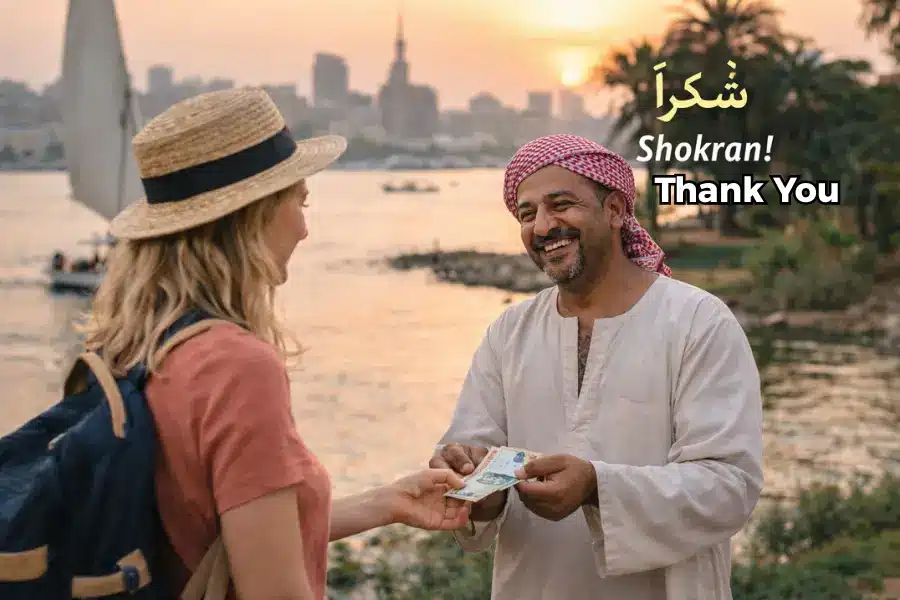
“Shokran” is one of the most useful and appreciated Egyptian Arabic words tourists can use in everyday situations.
How to Say Please, Yes, and No in Arabic
Knowing how to say please, yes, and no in Arabic, especially in Egyptian Arabic, can make daily communication much easier during your trip to Egypt. These simple words are useful in restaurants, taxis, markets, and many everyday situations where you need to ask for something or give a quick reply. They also make your speech sound more polite and friendly.
In Egyptian Arabic, the word please is commonly said in two ways:
- Min fadlak: when speaking to a man
- Min fadlik: when speaking to a woman
For yes, Egyptians usually say Aywa in everyday speech, while Na’am is more formal and less common in casual conversation. For no, the usual word is Laa, and many people add Shokran to sound more polite, especially when refusing something.
The Egyptian Way of Being Polite
Here are a few simple examples:
- Min fadlak, mumkin ashof el menu? → Please, can I see the menu?
- Aywa, tamam! → Yes, okay!
- Laa, shokran. → No, thank you.
In Egypt, tone of voice and body language matter a lot. A smile, a calm tone, or a small nod can make your words sound warmer and more respectful. In polite situations, especially when asking for help or getting someone’s attention, you can also use Law samaht, which means excuse me or if you please. It is a very useful and well-liked expression in daily life.
Bonus – Quick Egyptian Arabic Conversation for Tourists
Here is a short and simple conversation in Egyptian Arabic that tourists may hear or use in everyday situations in Egypt. These basic phrases can help you start conversations in a friendly and polite way, whether you are in a hotel, a shop, or a restaurant.
A: Ahlan! (Hello!)
B: Ahlan wa sahlan! (Hello! / Welcome!)
A: Shokran! (Thank you!)
B: Afwan! (You’re welcome!)
This simple exchange shows how a few everyday words can make communication feel easier, warmer, and more personal. Even if you only use a small phrase or two, Egyptians usually appreciate the effort and respond kindly.
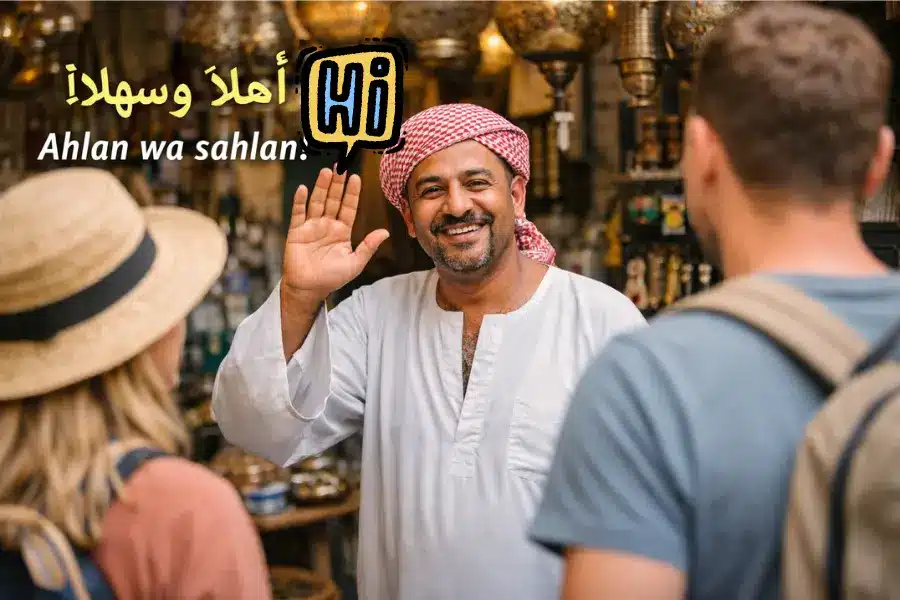
A simple greeting like “Ahlan wa sahlan” can make everyday conversations in Egypt feel warmer and more welcoming.
Tips for Using Arabic Words in Egypt
To make the most of a few Arabic words during your travel to Egypt and communicate more easily with locals, keep these simple tips in mind:
Don’t worry about perfect pronunciation. Egyptians usually appreciate the effort more than perfect accuracy.
Smile when using local words, as it makes the conversation feel warmer and friendlier.
Mix Arabic with English if needed. Even something simple like “Shokran, my friend” can sound natural and polite.
Avoid using religious expressions unless you are sure of their meaning and the right context.
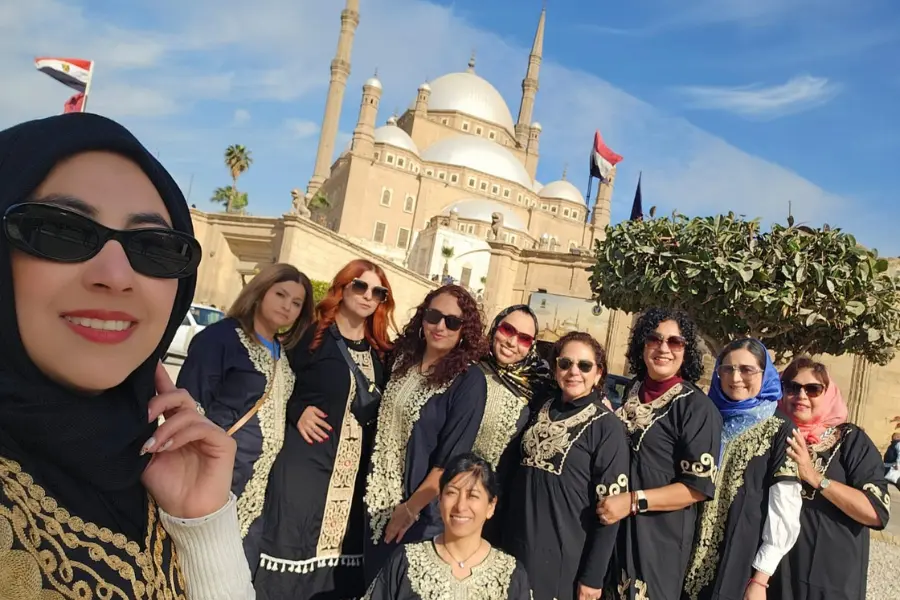
Using a few Arabic words in Egypt can make cultural experiences feel warmer, friendlier, and more personal.
Final Thoughts – Speak Like a Local in Egypt
Even learning just a few Arabic words and phrases can make a big difference during your trip to Egypt. Simple greetings, polite phrases, and everyday expressions such as “Shokran” or “Ahlan” can help you communicate more easily with locals, show respect for their culture, and make daily interactions feel warmer and more natural. Don’t hesitate to give it a try. Egyptians truly appreciate the effort, and even a few small words can lead to friendly smiles, kind conversations, and more memorable moments in hotels, markets, restaurants, and on the street.
FAQs – Egyptian Arabic Phrases for Tourists
How do you say hello in Egyptian Arabic?
The most common ways to say hello in Egyptian Arabic are Ahlan, Ahlan wa sahlan, and Salam. You can also use Sabah el kheir for good morning and Masa el kheir for good evening.
How do you say thank you in Egyptian Arabic?
The most common way to say thank you in Egyptian Arabic is Shokran. It is simple, polite, and widely used in shops, restaurants, hotels, and everyday conversations across Egypt.
How do you say please in Egyptian Arabic?
To say please in Egyptian Arabic, use Min fadlak when speaking to a man and Min fadlik when speaking to a woman. Another useful polite phrase is Law samaht, which can mean excuse me or if you please.
What are the most useful Egyptian Arabic words for tourists?
Some of the most useful Egyptian Arabic words for tourists are Ahlan (hello), Shokran (thank you), Min fadlak / Min fadlik (please), Aywa (yes), Laa (no), and Afwan (you’re welcome). These simple words can make daily communication in Egypt much easier.
Do tourists need to learn Arabic before visiting Egypt?
No, tourists do not need to learn Arabic fluently before visiting Egypt. However, learning a few simple Egyptian Arabic words and polite expressions can make interactions smoother, more respectful, and more enjoyable during the trip.