

How Many Days in Luxor Do You Need? A 1, 2 or 3-Day Guide
How Many Days in Luxor Do You Need? A 1, 2 or 3-Day Guide
Most first-time visitors need two full days in Luxor: one day for the East Bank temples and one for the West Bank tombs and temples. If you have less time, you can see the main highlights in one busy day, while a third day gives you more time to visit lesser-known sites or take a slower pace. This guide helps you decide how long to stay in Luxor and how a Nile cruise affects the time you need. For an overview of the city, see our Luxor City Egypt guide; for more ideas on what to visit, explore our things to do in Luxor.
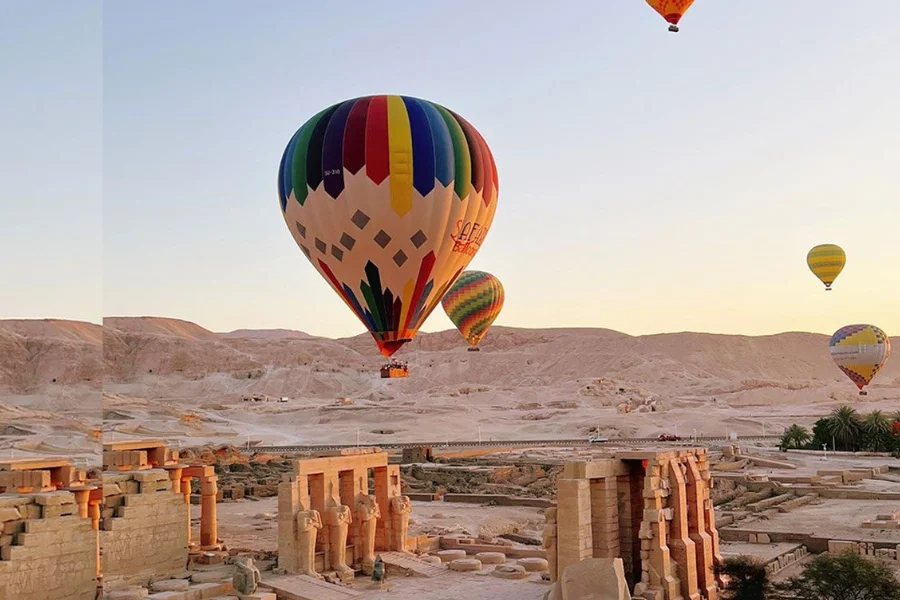
Hot-air balloon in Luxor
Quick Answer: How Many Days in Luxor?
For most first-time visitors, two full days in Luxor provide enough time to explore the main sights on both banks at a comfortable pace. The options below count sightseeing days, not arrival and departure dates.
| Full sightseeing days | Best for | What you can cover |
|---|---|---|
1 day in Luxor | Travelers with limited time who can start early in Luxor | Karnak Temple, Luxor Temple, the Valley of the Kings, the Temple of Hatshepsut and the Colossi of Memnon, at a fast pace with transport arranged. Leave out the museum and extra West Bank sites. |
2 days in Luxor | Most first-time visitors | Karnak Temple and Luxor Temple on one day; the Valley of the Kings, the Temple of Hatshepsut and the Colossi of Memnon on the other. More time at each site, with Luxor Museum optional. |
3 days in Luxor | Travelers who want additional sites or a slower pace | The 2-day plan plus a choice of the Valley of the Queens, Medinet Habu, Deir el-Medina or the Ramesseum. Alternatively, spread the main sights over three days with longer breaks. |
4+ days in Luxor | Travelers with extra time | Extra excursions, such as Dendera and Abydos or Edfu and Kom Ombo, or a slower pace. |
Full Days in Luxor vs. Hotel Nights
A full sightseeing day means you are in Luxor early enough to start visiting sites and are not leaving before the day’s planned visits. Hotel nights alone do not show how much sightseeing time you have.
For example, arriving on Monday evening and leaving on Wednesday morning gives you two hotel nights but only one full day: Tuesday. Arriving on Monday evening and leaving on Thursday morning gives you three nights and two full days: Tuesday and Wednesday.
Two nights can still work for a two-day itinerary if an early arrival or late departure leaves enough sightseeing time. A one-night stay requires an early arrival on day one and a late departure on day two, with enough time for transfers, luggage and delays.
1 Day in Luxor: What You Can See
One day in Luxor can cover five main sights on both banks if you start early from Luxor and have transport arranged between sites: Karnak Temple, Luxor Temple, the Valley of the Kings, the Temple of Hatshepsut and the Colossi of Memnon. Visiting both banks in one day means keeping a brisk pace and limiting the time spent at each site.
If you prefer a more focused visit, choose the East Bank for its two major temples or the West Bank for royal tombs and funerary monuments. Independent travelers can arrange a driver or taxis; a guided tour is another option. If you arrive later in the day or are traveling from Cairo or Hurghada that morning, allow for the journey and choose fewer sights.
A single day does not leave much time for lesser-visited West Bank sites or Luxor Museum. If you want to explore beyond the main highlights without rushing, consider staying longer rather than trying to fit every site into one visit. A private Egyptologist guide leads our full-day East and West Bank tour, which covers these five sights.
2 Days in Luxor: East Bank and West Bank
Two full days in Luxor let you explore the East Bank on one day and the West Bank on the other without rushing through the main sights. This split gives you more time at each location and lets you plan around the best time of day to visit, especially when outdoor sites are more comfortable early in the morning. If you prefer a guided plan, our 2-day Luxor tour follows this East Bank and West Bank split.
Day 1: East Bank
Spend the first day visiting Karnak Temple and Luxor Temple, which are about 3 kilometers apart. Start at Karnak Temple early in the morning, then plan the rest of your day around your pace and interests. Luxor Temple is illuminated in the evening, making a later visit a practical way to finish the day.
Luxor Museum is an optional stop. It operates morning and evening sessions, so use the current opening hours to fit it around the temples.
Day 2: West Bank
Use the second day to visit the Valley of the Kings, the Temple of Hatshepsut and the Colossi of Memnon. Start early to explore the outdoor sites before the heat becomes more intense, and leave enough time for the tombs you most want to see.
Admission to the Valley of the Kings covers a selection of eligible tombs, not every tomb in the valley. Tutankhamun’s tomb requires an additional ticket. Choose your priority tombs and check which are open and included in your ticket. This day covers the principal West Bank highlights, but it leaves lesser-visited sites such as the Valley of the Queens, Medinet Habu, Deir el-Medina and the Ramesseum for a longer stay.
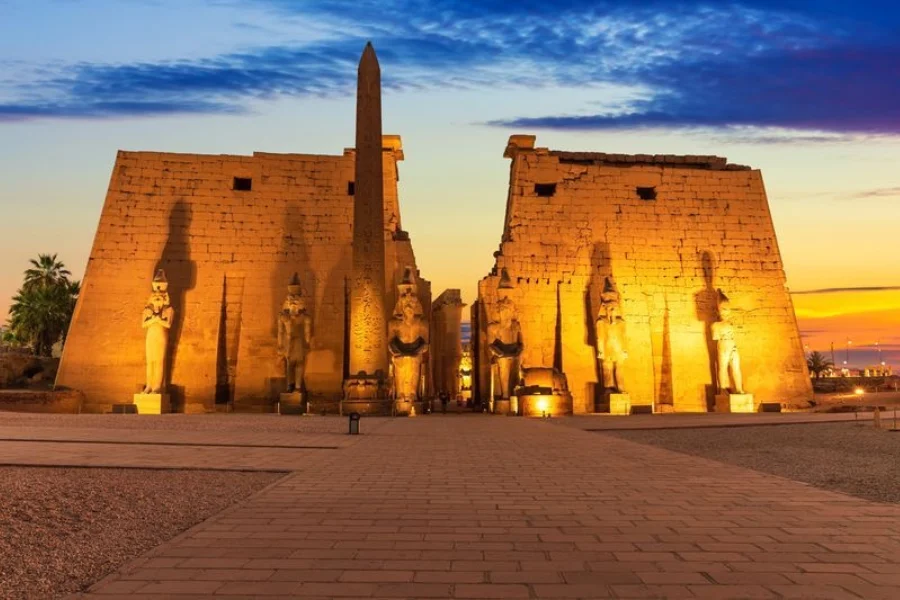
Luxor Temple
3 Days in Luxor: A Slower Itinerary
A third day in Luxor gives you time to visit lesser-known West Bank sites that most short itineraries leave out. You can also spread the main sights over three days, leaving longer breaks instead of adding more stops.
If you want to visit more sites, a practical three-day plan follows this order:
- Day 1: East Bank. Visit Karnak Temple and Luxor Temple, with an optional stop at Luxor Museum during an opening session.
- Day 2: Main West Bank sights. Explore the Valley of the Kings, the Temple of Hatshepsut and the Colossi of Memnon.
- Day 3: Lesser-visited West Bank sites. Choose from the Valley of the Queens, Medinet Habu, Deir el-Medina and the Ramesseum, depending on your interests.
The Valley of the Queens offers another royal burial site to explore beyond the Valley of the Kings. Medinet Habu is the mortuary temple of Ramses III, while the Ramesseum is the mortuary temple of Ramses II. Deir el-Medina was the village of the artisans who built the royal tombs, offering a different perspective on the people behind the royal burial sites.
If Karnak Temple and the Valley of the Kings are your main priorities, two days may be enough; choose a third day for more West Bank sites or a gentler pace. You can also use the extra time for one of the outings listed in the excursions section, rather than adding every available site to a single day. A guided version of this plan is available as a 3-day Luxor tour.
Luxor Excursions: Which One Fits Your Schedule?
Choose an outing based on how much time you have left in Luxor. Sunrise and evening activities can fit around a day of sightseeing, while trips to temples outside Luxor need a separate day.
| Excursions | How it fits your schedule | Best For |
|---|---|---|
Hot air balloon ride | A sunrise flight over the West Bank adds a very early start to the day. | Travelers who want a different view of the West Bank. |
Valley of the Queens, Medinet Habu and Deir el-Medina | This West Bank outing focuses on lesser-visited sites. | Travelers with a third day who have already seen the main sights. |
Sound and Light Show at Karnak Temple | This evening show leaves the daytime free for other visits. | Travelers with limited daytime hours. |
Edfu and Kom Ombo temples | This option requires a separate day outside the main Luxor sightseeing plan. | Travelers who are not sailing on a Nile cruise that already stops at these temples. |
Dendera and Abydos temples | This is a separate private day trip from Luxor. | Travelers with four or more days who want to visit temples outside Luxor. |
If you have only one or two days, prioritize the main sights before adding optional activities. With more time, you can choose an additional West Bank outing or dedicate a day to temples beyond Luxor. For a full comparison of trips from Luxor, see our guide to Luxor day trips.
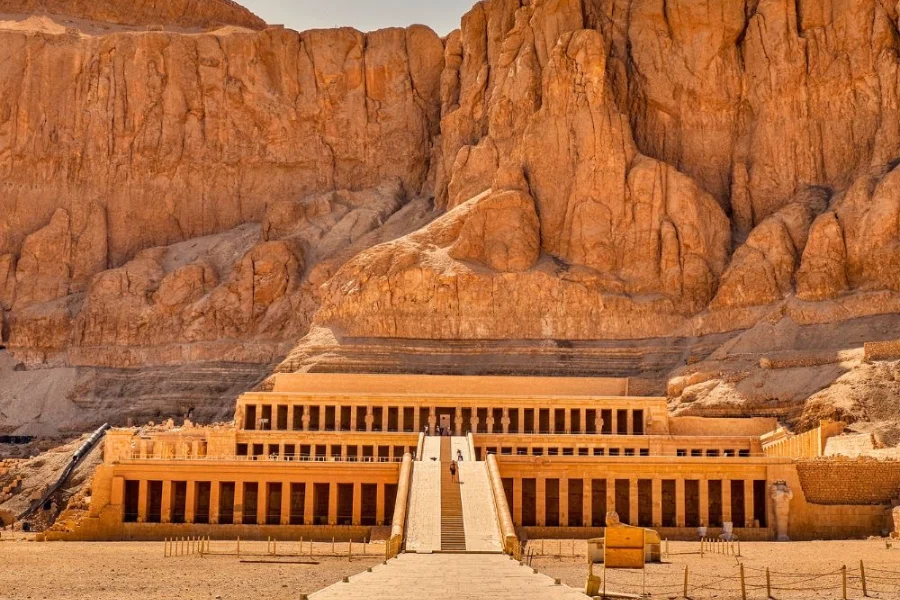
Queen Hatshepsut temple in Luxor
Luxor Planning Tips
- Start early on both banks to explore outdoor sites before the day becomes too hot, making your visits more comfortable.
- Book your hot air balloon ride in advance and allow for an early pickup. Flights are subject to weather and operating conditions.
- Allow time for the Nile crossing and arrange transport between the West Bank sites.
- Keep each day focused on one main sightseeing plan, and avoid scheduling a trip outside Luxor on the same day as a West Bank visit.
How the Season Affects Your Luxor Itinerary
The cooler months, from November to February, are the most comfortable for moving between Luxor’s outdoor sites. Spring and autumn temperatures vary, so plan outdoor visits around the conditions on your travel dates. Summer is extremely hot, so plan outdoor visits for early morning or later in the day when possible. Use the hottest part of the day for a shaded lunch or a rest at your hotel. Luxor Museum has separate morning and evening sessions, so do not assume it is available for a midday visit. Whatever season you choose, an early start helps you make better use of your sightseeing time.
Luxor with a Nile Cruise: Do You Need Extra Nights?
If your Nile cruise includes sightseeing in Luxor, you may need fewer extra nights, but staying longer can give you time to visit places the cruise leaves out. Before booking a hotel, look at the sights included, their scheduled days, boarding or disembarkation times, and your onward travel.
A night before boarding can give you a more relaxed start if your arrival would otherwise be tight. A night after the cruise is useful when it leaves enough sightseeing time before your departure. If the cruise already covers your priority sights and the travel connections fit, extra hotel nights may be unnecessary. Add time for any West Bank sites or other activities you still want to include; the cruise’s number of nights alone does not tell you how much time you have in Luxor.
Conclusion
How long you spend in Luxor depends on your schedule: one day suits travelers with limited time, two full days allow you to explore the East Bank and West Bank at a comfortable pace, and three days are best for those who want a slower visit with more time for lesser-visited sites.
Use your arrival and departure times to work out how many hotel nights you need. If you prefer a guided itinerary, compare our Luxor tours for the sightseeing time you have available.
FAQ
How many days do you need to explore Luxor?
Two full days are usually enough for first-time visitors to Luxor. You can see the main East Bank temples on one day and explore the West Bank tombs and monuments on the next.
Is a single day enough to see Luxor?
Yes, a single day can cover Luxor’s five main highlights if you start early from Luxor and have transport arranged: Karnak Temple, Luxor Temple, the Valley of the Kings, the Temple of Hatshepsut and the Colossi of Memnon. This is a busy schedule that leaves little time for lesser-visited West Bank sites or Luxor Museum.
Is 2 days in Luxor enough?
Yes, two full days in Luxor are enough to explore the main sights on both banks at a comfortable pace. Late arrival or early departure can reduce your sightseeing time, so count the hours available rather than just the dates on your booking.
What is a good three-day itinerary for Luxor?
Spend day one at Karnak Temple and Luxor Temple, and day two at the Valley of the Kings, the Temple of Hatshepsut and the Colossi of Memnon. On day three, choose additional West Bank sites such as Medinet Habu or Deir el-Medina, or spread the main sights across all three days for a slower pace.
How many nights do I need for two full days in Luxor?
Three nights give you two full days if you arrive the evening before sightseeing and leave the morning after. Two nights can work with an early arrival or late departure that leaves enough usable sightseeing time.
Is Luxor really worth it?
Yes, Luxor is worth visiting if you want to explore ancient temples and royal tombs in one destination. Karnak Temple and Luxor Temple are on the East Bank, while the Valley of the Kings is on the West Bank.
What is the best month to visit Luxor, Egypt?
The months from November to February are generally the most comfortable for sightseeing in Luxor because the weather is cooler. In hotter months, start outdoor visits early and take a break during peak heat. Plan Luxor Museum around its morning or evening session rather than assuming it is open at midday.
Do you need extra nights in Luxor before or after a Nile cruise?
Extra nights are useful if your cruise leaves out sights you want to visit or your travel connections leave too little sightseeing time. Use the cruise itinerary and your arrival and departure times to decide; you may not need extra nights if they already fit your plans.