

Nubian Village Aswan: A Complete Visitor Guide
Nubian Village Aswan, is a vibrant cultural destination where visitors can experience the daily life, traditions, and warm hospitality of the Nubian community. Located along the Nile River near Aswan, this Nubian village is known for its colorful streets, hand-painted houses, and relaxed riverside atmosphere that reflects centuries of local heritage.
A visit to the Nubian Village often begins with a scenic boat ride across the Nile, allowing travelers to explore artisan shops, taste traditional Nubian cuisine, and enjoy the peaceful rhythm of daily life. Many visitors also appreciate the beautiful views of the Nile and the nearby islands, which add to the charm of the experience.
In this guide, you’ll discover where the Nubian Village is located, how to reach it from Aswan, and what visitors can expect when exploring one of Egypt’s most distinctive and welcoming communities.

Unveiling the Rich History of Nubia
Where Is Nubia Located?
Nubia stretches along the Nile in southern Egypt and northern Sudan, forming a region rich in culture and tradition. The Nubia location follows the river valley, where communities have maintained unique languages, crafts, and customs for generations.
Today, villages south of Aswan continue to preserve their heritage, making the area a fascinating destination for travelers seeking authentic cultural experiences. From Aswan, the region is easily accessible, and the Nile remains the central artery that shapes life, art, and community identity in Nubia.
Where Is the Nubian Village in Aswan Located?
The Nubian Village in Aswan sits on the west bank of the Nile, near Elephantine Island, just south of Aswan city. Visitors can easily reach it by private motorboat, traditional felucca, or organized tours from Aswan, enjoying scenic views along the way on the Nile River.
Exploring the Aswan Nubian Village in Egypt on foot lets travelers wander through colorful streets, see hand-painted houses, and get a close look at daily life. The village’s relaxed riverside setting and warm community make it an immersive experience for anyone wanting to understand Nubian culture firsthand.
Why Is Nubian Village Famous?
The Nubian Village Aswan is famous for its colorful architecture, preserved traditions, and welcoming community. Visitors can experience daily life, explore artistic streets, and enjoy crafts and local cuisine along the Nile.
Colorful Nubian Houses
The Nubian houses in the village are celebrated for their unique design and bright colors, including shades of blue, yellow, and orange. Many walls are decorated with hand-painted drawings, such as animals, patterns, and cultural symbols.
Unlike homes in other parts of Upper Egypt, these houses blend practicality with vibrant artistry, creating a vibrant streetscape that attracts visitors and photographers alike.
Walking through the streets of these Nubian villages, travelers can appreciate how color, art, and tradition come together to make the community visually unique and culturally rich.

Colorful Houses in the Nubian Village
Nubian Culture & Traditions
Nubian culture is a vibrant mix of customs, beliefs, and daily practices passed down through generations. The people of the Nubian village in Egypt keep their traditions alive through their language, music, and dance, which are considered a sacred part of their identity.
Hospitality plays a key role in daily life, with families welcoming visitors into their homes to share food, stories, and experiences. Music and dance are central to celebrations, while henna and handmade jewelry showcase the artistic side of the community.
Visiting the village offers travelers an immersive glimpse into how tradition, daily routines, and cultural expression combine to create a strong sense of identity and connection among its people.
Handcrafts & Local Markets
Local markets are a central part of life in the Nubian Village. Visitors can explore narrow streets lined with handmade baskets, pottery, jewelry, and textiles, all crafted by local artisans who rely on these traditions to support their families.
In a Nubian island setting in Egypt, markets offer a relaxed atmosphere where you can meet artisans, watch them at work, and purchase authentic souvenirs. This vibrant shopping experience reflects the creativity and heritage of the community, offering travelers an insight into daily life along the Nile.

DiscoverNubian Villages Handcrafts & Local Markets
Gharb Soheil (Nubian Village)
Gharb Soheil is the most visited area of the Nubian Village near Aswan. Walking through its streets, visitors see homes decorated with traditional murals and patterns, browse small craft shops, and feel the community’s hospitality. Brightly painted houses and riverside views make it a favorite stop for those wanting an authentic cultural experience.
The relaxed atmosphere, bright architecture, and Nile-side setting make Gharb Soheil a favorite stop for travelers exploring Nubian culture around Aswan.
Top Attractions & Things to Do in Nubian Village, Aswan
Travelers visiting Nubian Village will find a range of activities that showcase local traditions, architecture, and life along the Nile. These activities make the village one of the most memorable attractions in Nubian Village in Aswan and a rewarding cultural stop in southern Egypt. The attractions in Nubia focus on hands-on experiences, cultural immersion, and scenic surroundings. Many include the village as part of an Aswan Nubian Village tour for convenience and deeper insight. Many travelers choose an Aswan Nubian Village tour to combine transport, cultural insight, and time with local communities. For many visitors, Nubian Village in Egypt is best explored through a mix of walking, local food, and a great time on the Nile.
Explore the Colorful Streets
Walking through the village streets is the easiest way to see Nubian culture up close. Brightly painted houses, hand-drawn murals, and narrow alleyways lead to family homes and craft shops. Every corner tells a story through colors and patterns, offering visitors both photography opportunities and a sense of the community’s vibrant life.
Visit a Traditional Nubian House
Entering a Nubian home provides an intimate view of local life. Guests are often offered tea or a small snack while hosts explain the significance of decorations and the layout. Courtyards, colorful walls, and handmade furnishings reflect centuries-old traditions and make the experience personal and memorable.
Enjoy Nubian Food & Music
Sampling local dishes is central to understanding Nubian hospitality. Meals include fresh Nile fish, spiced stews, and homemade bread served in family-run restaurants or homes. Music and dance are woven into celebrations, giving visitors a chance to participate in rhythmic performances and connect with the community’s cultural heart.

Savoring Authentic Nubian Cuisine
Take a Felucca Ride on the Nile
A felucca ride is a relaxing way to view the Nile landscape and nearby villages. Sail slowly past palm-lined banks and small islands, observing daily life along the river. Many tours combine the boat ride with stops at the village, making it both scenic and culturally immersive.
Camel Ride at Sunset
For a different perspective, travelers can take a short camel ride along desert paths near the village. Sunset rides highlight golden light over the Nile and the desert, offering memorable photography moments and a glimpse of the surrounding landscapes unique to Nubian communities.

Exploring Nubia on Camelback
The History of Nubia in Egypt
The history of Nubia, in southern Egypt, stretches back thousands of years along the Nile Valley and into northern Sudan. It was home to influential kingdoms whose culture, art, and trade shaped northeastern Africa. Today, Nubian heritage is preserved in communities along the Nile River, especially near Aswan.
Unveiling the Rich History of Nubia
| Feature | Detail |
|---|---|
| Nubia in Ancient Times | Nubia was a crucial corridor connecting Egypt with sub-Saharan Africa. Kingdoms such as Kerma and Napata developed unique art, architecture, and writing systems, and controlled trade routes while maintaining a distinct cultural identity that influenced neighboring civilizations. |
| Kushite Dynasty | During Egypt’s 25th Dynasty, Nubian rulers, the Kushite Pharaohs, governed the country. They left lasting contributions in architecture, religion, and governance, blending Nubian and Egyptian traditions, and highlighting the region’s political significance in Nile Valley history. |
| Arab & Islamic Influence | From the 7th century, Nubia integrated with Arab and Islamic culture. Local customs merged with Islamic practices, forming a unique cultural identity. Later Ottoman and Mamluk influences shaped society further while core Nubian traditions endured. |
| Modern Nubia | The 20th century saw major changes with the construction of the Aswan High Dam, creating Lake Nasser and displacing many villages. Despite relocation, the Nubian language, crafts, and customs have continued, and villages near Aswan remain living examples of this resilient heritage. |
The Nubian People & Culture
Nubian culture is among the oldest and most resilient identities in southern Egypt. Shaped by centuries of history, it reflects enduring traditions, a distinctive lifestyle, and a rich heritage, expressed through language, art, and community practices.
Nubian Identity & Language
The Nubian people maintain a strong cultural identity through their native language, still spoken in many homes. Alongside Arabic, this bilingual society preserves oral traditions and local expressions that connect generations, reflecting a community deeply tied to its history and the Nile River.
Daily Life in Nubian Communities
Life in Nubian villages revolves around close family ties and the rhythms of the Nile. Families often live in traditional mud-brick homes, sharing daily routines, stories, and meals. Visitors are welcomed warmly, experiencing local customs firsthand, while observing a living society where work, celebrations, and daily life intertwine naturally.
Traditions, Weddings & Celebrations
Festivities provide insight into Nubian traditions. Weddings feature music, dance, and colorful attire, while henna designs mark beauty and good fortune. Other gatherings celebrate milestones and reinforce social cohesion, preserving centuries-old rituals unique to the community.

Rhythms and Dances of Nubia
Music, Art & Cultural Expression
Vibrant murals and artistic expressions decorate the village, blending ancient inspiration with contemporary creativity. Music and dance remain central to daily life and festivals, with rhythmic drums and songs connecting generations and keeping cultural heritage alive.
Preserving Heritage in Modern Aswan
Despite historical changes like the Aswan High Dam and village relocations, Nubian culture thrives. The community preserves traditional homes, teaches the native language, and adapts customs to modern life.

Warm Welcomes from The Nubian People
How to Get to the Nubian Village from Aswan
Reaching the Nubian Village from Aswan is straightforward and offers a scenic introduction to the region’s culture. The most popular destination is Gharb Soheil, a lively Nubian community with colorful streets and local markets. Travelers can choose from several options depending on their schedule and preference:
Private Motorboat
A private motorboat is fast and flexible, letting visitors control departure times and routes. You’ll enjoy river views, small islands, and a quiet ride directly to the village. Ideal for those seeking convenience and comfort.
Traditional Felucca
For a slower, more authentic journey, sail on a traditional felucca. This sailboat moves gently along the Nile, offering a peaceful way to take in the landscape while experiencing the rhythm of river life. Late afternoon rides provide beautiful lighting and cooler temperatures.
Organized Aswan Nubian Village Tour
Many local operators offer guided tours that include transportation, knowledgeable guides, and visits to key attractions within Gharb Soheil. This is a convenient option for travelers looking for cultural insight without worrying about logistics.
Taxi Boat from Elephantine Island
Taxi boats are a practical choice for shorter trips from Elephantine Island. Make sure to agree on the price beforehand. The ride is quick and provides a scenic introduction to the west bank of Aswan.
For the best experience, agree on prices in advance, and consider traveling in the late afternoon when the village is lively but not crowded.
Best Time to Visit Nubian Village Aswan
The most enjoyable time to visit the Nubian Village in Aswan is during the cooler season from October to April, when the weather is pleasant and ideal for walking through the colorful streets, visiting traditional homes, and experiencing Nubian hospitality.
For the best atmosphere, plan your visit in the late afternoon before sunset. The golden light reflecting over the Nile and the bright village houses create beautiful scenery and excellent photography opportunities.
Although summer (May to September) can be very hot in Aswan, visitors can still enjoy the experience by scheduling boat trips early in the morning or in the evening when temperatures are lower.
Other Ways to Experience Nubian Culture in Aswan
Beyond visiting the main villages, there are several ways to explore Nubian culture in Egypt and enjoy authentic experiences around Aswan. From museums and music to local cuisine and riverside islands, these activities give travelers a deeper understanding of daily life and traditions.
These experiences also add to the wider list of things to do in Aswan for travelers interested in local history and heritage.
Visit the Nubian Museum in Aswan
The Nubian Museum Aswan showcases the history, art, and heritage of Nubia. Exhibits include artifacts from the Lake Nasser region, traditional architecture, and displays about village relocations after the Aswan High Dam. A visit here provides valuable context before heading to local communities.

The Nubian Museum: A celebration of heritage.
Attend a Nubian Music Performance
Live Nubian music offers a window into local traditions. Performances feature drums, singing, and dance, often with interactive moments where visitors can learn traditional rhythms and movements. Experiencing this music brings the culture to life.
Explore Elephantine Island
A short boat ride takes travelers to Elephantine Island, home to small Nubian communities along the Nile. Walking through the island’s streets, visitors see traditional homes, local markets, and riverside scenery, providing a sense of everyday life in Nubia.
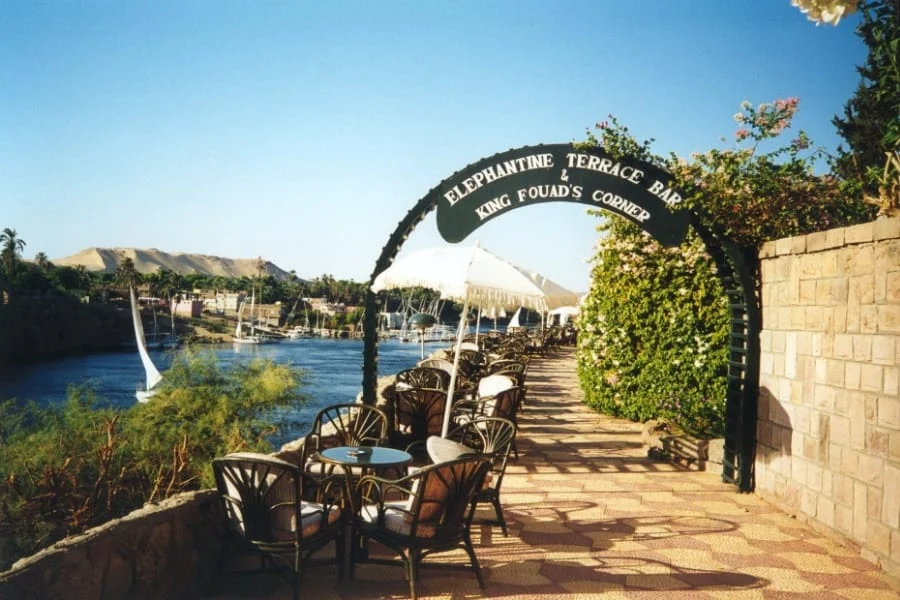
Elephantine Island
Try a Nubian Food Experience
Guests can join cooking sessions in local homes, preparing and tasting authentic dishes. From spiced stews to fresh Nile fish and homemade bread, these experiences combine culinary skills with the warm hospitality of the Nubian community.
Combining museum visits, music, and food experiences creates a full picture of Nubian culture and complements a day at Gharb Soheil.
Where to Stay in Nubia – Nubian Village Hotels
Stay in Gharb Soheil
For a fully local experience, choose a Nubian Village hotel or guesthouse near Gharb Soheil. These accommodations offer colorful architecture, riverside views, and the chance to be part of daily village life. Staying here gives travelers direct access to craft shops, traditional homes, and local markets. Recommended options include:
- Kato Dool Nubian Resort
- Anakato Nubian Houses
- Nubian Lotus Guest House
Stay in Aswan City
For travelers who prefer convenience, Aswan hotels offer broader facilities and easy access to boat transfers while keeping the Nubian Village within easy reach. Popular choices include:
- Sofitel Legend Old Cataract Aswan
- Mövenpick Resort Aswan
- Tulip Aswan Hotel
- Basma Hotel Aswan
These hotels offer comfortable rooms, Nile views, and access to guided Aswan Nubian Village tours.
Booking Tip: Reservations through local services may provide seasonal or negotiated rates. Travelers can also arrange transfers, private guides, and full planning to ensure a smooth visit.
Travel Tips for Visiting Nubian Village Aswan
Visiting Nubian Village in Egypt is simple and enjoyable when you plan. Here are practical tips to help make your experience smooth and immersive.
Following these tips will help ensure a smooth, safe, and culturally respectful visit while allowing you to fully enjoy the colorful streets, riverside scenery, and lively Nubian community.
| Travel Tip | Detail |
|---|---|
| Best Time To Visit | October to April offers cooler weather and pleasant afternoons. Late afternoon visits give beautiful lighting for photography. |
| Clothing | Light, comfortable clothes are recommended. Modest attire is appreciated, and women may carry a scarf when visiting local homes. |
| Cash & Payments | Most local shops accept only Egyptian Pounds. Carry small bills for crafts and food purchases. |
| Photography | Always ask permission before taking pictures of people or inside private homes. |
| Transport | Private motorboats, traditional feluccas, or organized Aswan Nubian Village tours are the easiest ways to reach the village. |
| Guides & Safety | Hiring a local guide helps navigate streets safely and ensures you don’t miss key cultural experiences. Stay aware of your surroundings, especially in crowded areas. |
Is It Safe to Visit the Nubian Village?
The Nubian Village in Aswan is generally safe in tourist areas, but as with any destination, visitors should stay aware of their surroundings and take basic precautions. Checking local travel advisories before your trip is recommended.
Safety Tips
– Transport: Use licensed boats or guided tours to reach the village.
– Valuables: Keep personal belongings secure and avoid carrying large sums of cash.
– Photography: Ask permission before photographing people or private homes.
– Weather: Stay hydrated and protect yourself from the sun, especially during summer.
– Guides: Hiring a local guide can enhance your visit and help navigate village streets safely.
Following these practical measures allows travelers to enjoy Nubian Village confidently while appreciating its vibrant culture, colorful architecture, and scenic Nile surroundings.

Ensuring Safety in Nubia
If you enjoyed learning about Nubian Village, you can explore even more related experiences through our Aswan day tours, Egypt tour packages, and Nile cruise journeys that include the culture, scenery, and highlights of Upper Egypt.
Conclusion
Visiting Nubian Village in Aswan is more than just a stop on an Aswan itinerary. It’s an opportunity to experience a living culture, walk through colorful streets, and connect with a community that has preserved its traditions for generations. From the boat ride across the Nile to the local food, music, and handmade crafts, every part of the visit offers a more personal side of Upper Egypt.
For many travelers, the village becomes one of the most memorable cultural experiences in Aswan, not only for its bright scenery but also for the warmth, heritage, and everyday life that make it feel truly authentic.
Frequently Asked Questions
Is Nubian Village Aswan safe for tourists?
Yes, Nubian Village Aswan is generally safe for tourists, especially in well-visited areas. Visitors should use licensed transport, keep valuables secure, and follow basic travel precautions for a smooth and enjoyable visit.
Where is Nubian Village located?
Nubian Village is located on the west bank of the Nile, just south of Aswan. The most visited area is Gharb Soheil, which can be reached by motorboat, felucca, or guided tour.
What is the best time to visit Nubian Village Aswan?
The best time to visit is from October to April, when the weather is cooler and more comfortable for walking and sightseeing. Late afternoon is especially popular for its pleasant atmosphere and beautiful Nile views.
How do I get to Nubian Village from Aswan?
You can reach Nubian Village from Aswan by private motorboat, traditional felucca, or organized tour. Most visitors head to Gharb Soheil, and it’s best to agree on the price before departure if you’re traveling independently.
How much does a Nubian Village tour cost?
Tour prices vary depending on the boat type, duration, and whether a guide or extra activities are included. Private trips and guided tours usually cost more than simple boat transfers.
Can I visit Nubian Village as a day trip from Aswan?
Yes, Nubian Village is easy to visit as a day trip from Aswan. Many travelers go for a few hours and return the same day, especially when combining the visit with a boat ride or other nearby attractions.


