
Famous Egyptians – Legends of Ancient Egypt
Famous ancient Egyptians include the pyramid builder Khufu, the young king Tutankhamun and Cleopatra VII, Egypt’s last Ptolemaic queen. Their stories span different periods, alongside those of architects, officials and writers whose work also survives.
Famous Egyptians
Pharaohs held political and religious authority in ancient Egypt. Kingship was associated with the gods, even though rulers were mortal. The nine rulers below are remembered for different reasons, from their monuments and military campaigns to the objects found in their tombs.
Khufu
King Khufu ruled during the Fourth Dynasty in the 26th century BCE. The Great Pyramid at Giza, built for him, made him one of the most renowned pharaohs in history. It is one of the Seven Wonders of the Ancient World.
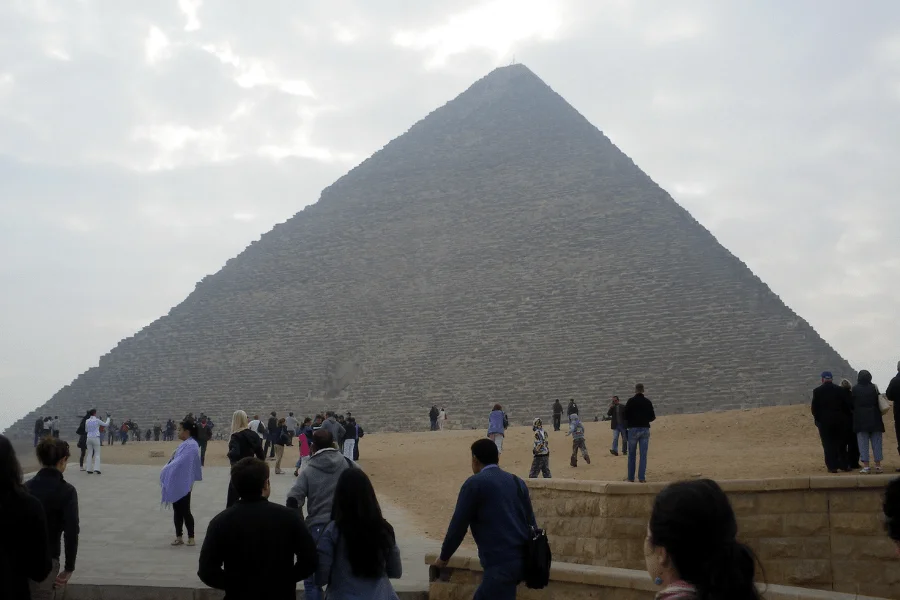
The Great Pyramid at Giza, built for Khufu.
Tutankhamun
Although the reign of King Tutankhamun was short, his tomb made him one of the most recognizable figures of ancient Egypt. He ruled in the 14th century BCE during the Eighteenth Dynasty. The discovery of his tomb by Howard Carter’s team in 1922 gave archaeologists an exceptional collection of royal burial objects to study.
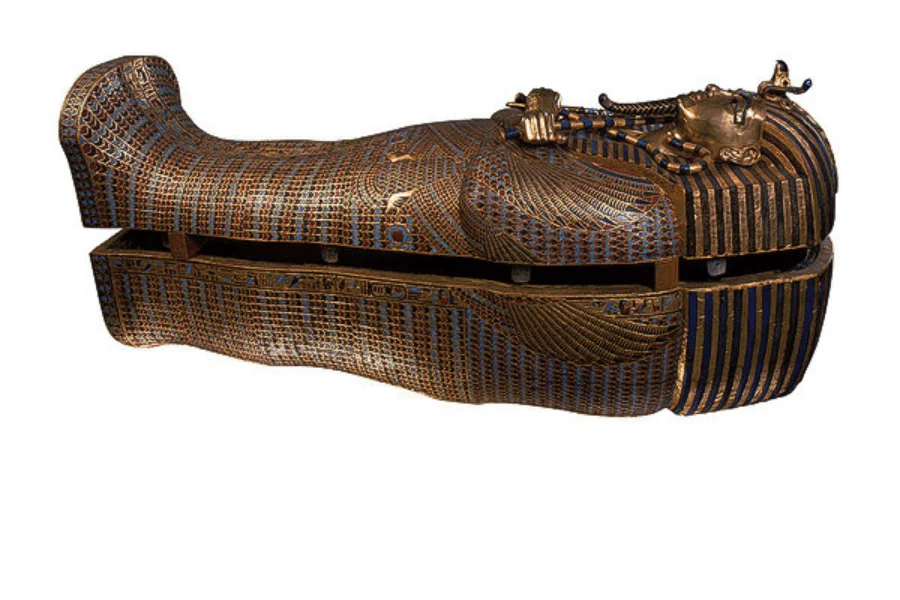
Striped headdress and crossed arms on a decorated coffin.
Cleopatra VII
Cleopatra VII ruled from 51 to 30 BCE and was the last reigning queen of the Ptolemaic dynasty. Her relationships and political alliances with Julius Caesar and, later, Mark Antony placed Egypt at the centre of Roman power struggles. After her death, Egypt became a Roman province.
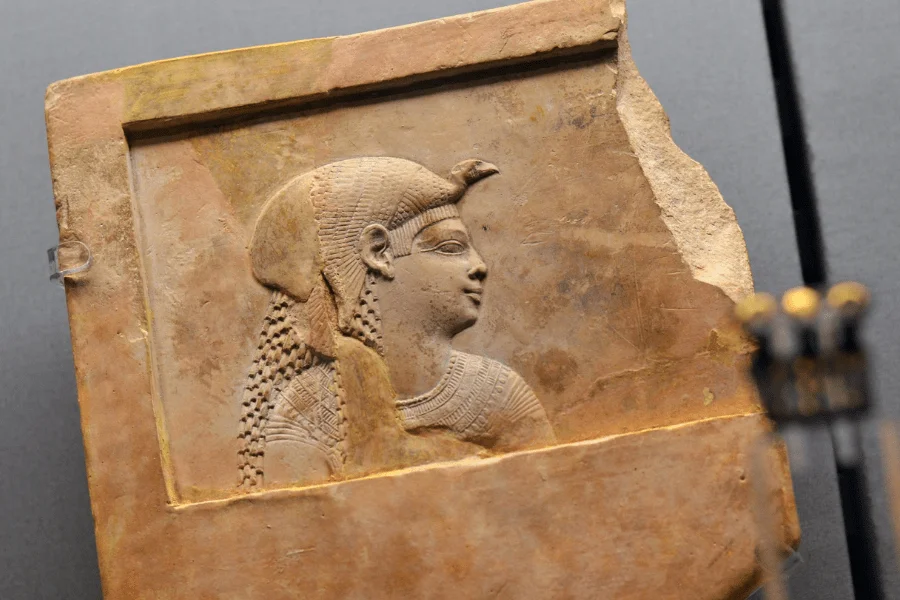
Cleopatra VII-Egypt Tours Group
Thutmose III
Thutmose III was an Eighteenth-Dynasty pharaoh of the 15th century BCE, remembered for campaigns that greatly expanded Egypt’s empire. He shared the throne with Hatshepsut before becoming sole ruler after her death. His records describe at least 17 campaigns, making military expansion a defining feature of his reign in the New Kingdom.
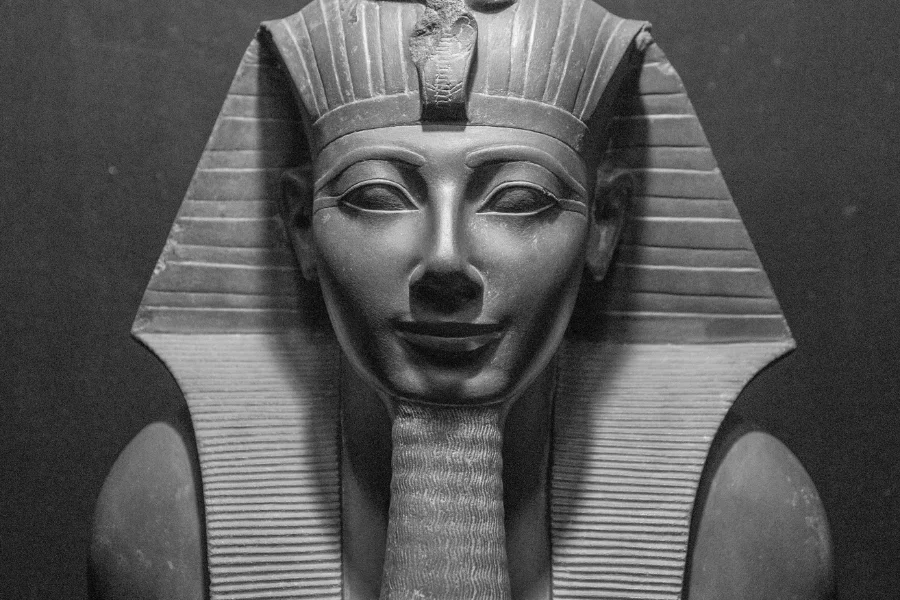
Thutmose III-Egypt Tours Group
Djoser
King Djoser ruled early in the Third Dynasty, in the 27th century BCE. He is best known for the Step Pyramid at Saqqara, a major development in monumental stone building. Later Greek traditions record his name as Tosorthros and Sesorthos. He was probably the son of King Khasekhemwy and Queen Nimaathap.
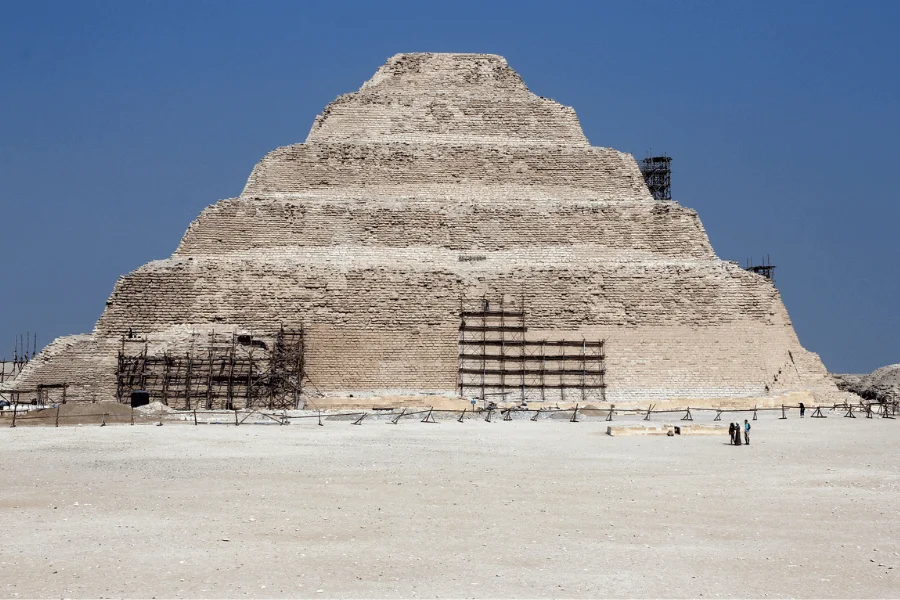
Djoser’s Step Pyramid at Saqqara.
Ramesses II
Ramesses the Great ruled for about 66 years in the 13th century BCE. A pharaoh of the Nineteenth Dynasty during the New Kingdom, Ramses II is remembered for military campaigns, a treaty with the Hittites and major building projects, including the temples at Abu Simbel.
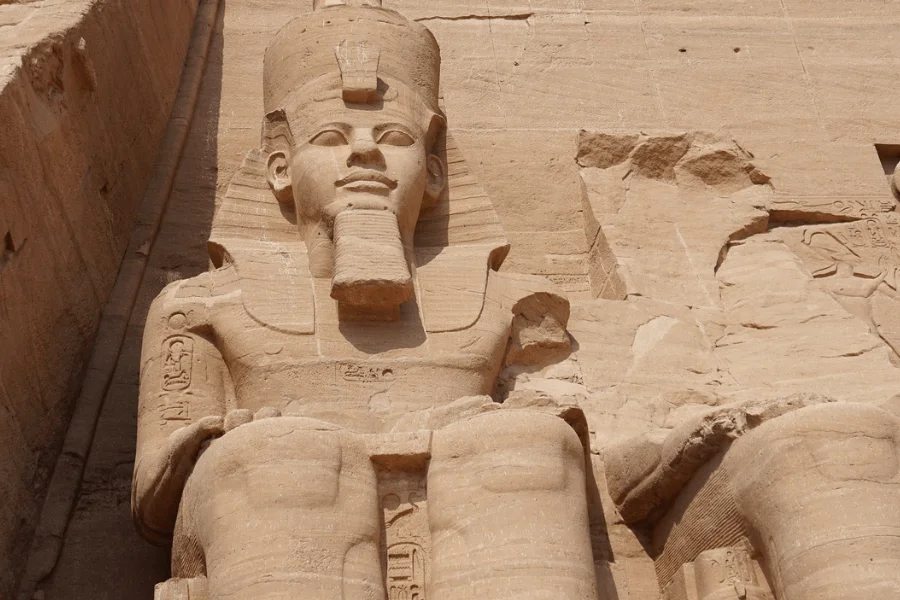
A seated colossus at the Great Temple of Ramesses II, Abu Simbel.
Hatshepsut
Hatshepsut was one of ancient Egypt’s female pharaohs, ruling in the 15th century BCE during the Eighteenth Dynasty. She first acted as regent for Thutmose III, then ruled as king alongside him. Her regency and kingship together lasted about two decades. Her mortuary temple at Deir el-Bahri and the expedition she sent to Punt are among the best-known achievements of her reign.
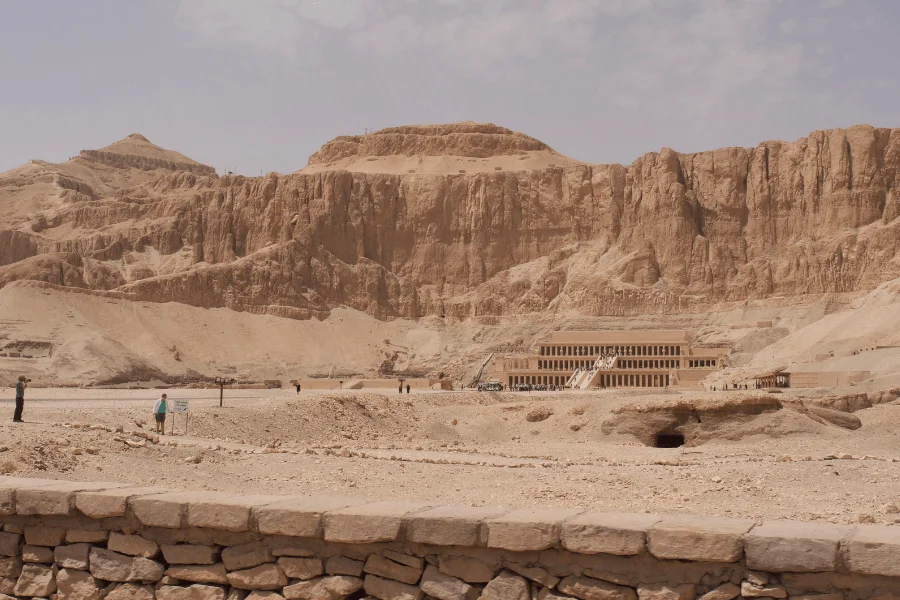
Hatshepsut’s mortuary temple at Deir el-Bahri, on Luxor’s west bank.
Ahmose I
Ahmose I belonged to the Theban royal house. He was the son of Pharaoh Seqenenre Tao and the brother of Kamose, the last ruler of the Seventeenth Dynasty. He succeeded Kamose in the 16th century BCE and continued his family’s struggle against the Hyksos rulers in northern Egypt. His victory reunited Egypt and established the Eighteenth Dynasty at the start of the New Kingdom. Seqenenre died violently, but the circumstances of his death are not certain.
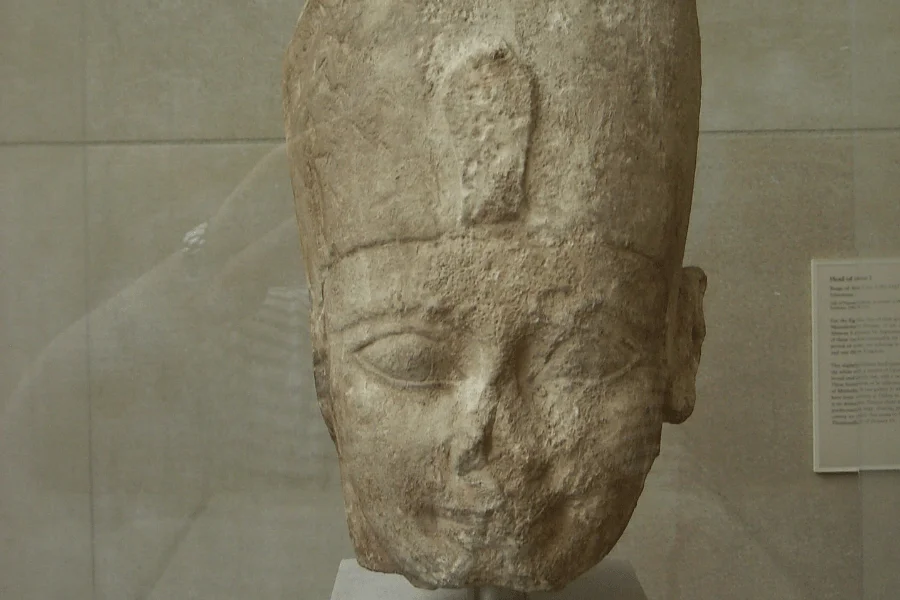
Head of Ahmose I
Amenhotep III
Amenhotep III ruled in the 14th century BCE during the Eighteenth Dynasty and is known for major royal building projects, including work at Luxor Temple. His father was Thutmose IV, and his mother, Mutemwiya, was a secondary wife of the king. Reliefs at Luxor Temple present his divine birth: Amun takes the form of Thutmose IV to father a child with Mutemwiya. This was a statement of royal divine ancestry, alongside his earthly parentage.
Amenhotep married Tiye, the daughter of Yuya and Thuya, by his second regnal year. She held the title of Great Royal Wife. Commemorative scarabs publicized royal events and named Tiye and her parents; the so-called marriage scarabs presented her position within the royal family. Tiye was the mother of Amenhotep IV, later known as Akhenaten. Crown Prince Thutmose was another son of Amenhotep III.
Amenhotep and Tiye’s daughters included Sitamun, Henuttaneb, Iset and Nebetah. Beketaten, sometimes included among their daughters, appears with Tiye in Huya’s tomb at Tell El Amarna; her precise parentage remains debated. Henuttaneb and Nebetah are shown with their parents in a colossal limestone statue group found at Medinet Habu, now in the Egyptian Museum in Cairo.
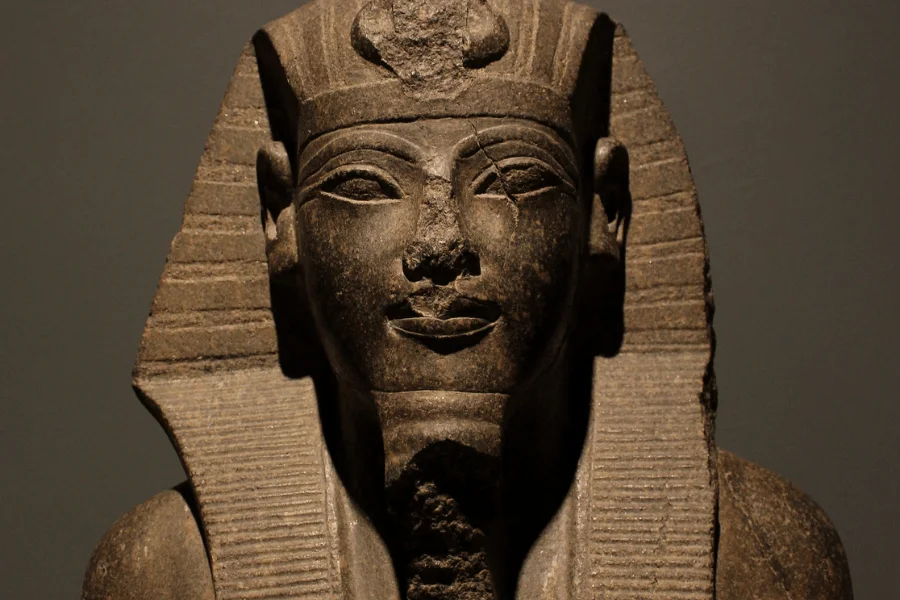
Amenhotep III-Egypt Tours Group
Other notable figures of ancient Egypt
Royal consorts and officials also shaped ancient Egypt. Queen Nefertiti, the principal wife of Akhenaten, is widely recognized through her painted bust in Berlin. Imhotep, an architect and high priest, is credited with the design and engineering of Djoser’s Step Pyramid at Saqqara. Senenmut served Hatshepsut as a senior official and steward. Hemiunu was Khufu’s vizier and probably oversaw construction of the Great Pyramid of Giza. Ptahhotep is remembered in the scribal tradition as the vizier to whom the Teaching of Ptahhotep is attributed.
What are Ancient Egyptians famous for?
Ancient Egypt was one of the world’s earliest civilizations and flourished for thousands of years. Its pyramids, pharaohs, mummies, tombs and temples remain central to its fame. Museums preserve many of the objects that help us understand the people behind these monuments.
Humor also survives in Egyptian art. A Ramesside papyrus shows animals taking human roles, including a cat serving a mouse. Such scenes offer a different view of Egyptian life from formal royal monuments.
Ancient Egyptian art includes paintings, sculptures, drawings on papyrus, faience, jewelry, ivories and architecture. Many conventions endured for centuries, but styles also changed, notably during Akhenaten’s Amarna period. Much of the surviving art comes from tombs and monuments, offering insight into Egyptian beliefs about the afterlife.
Religion was central to ancient Egyptian life, with hundreds of Egyptian gods and goddesses worshipped across its long history. In royal ideology, the living pharaoh was associated with Horus, often shown as a falcon or falcon-headed god, and acted as a link between gods and people.
Egyptian culture also influenced societies beyond Egypt. In the Roman period, for example, the worship of Isis spread around the Mediterranean.