Ancient Egyptian Religion – Gods, Beliefs, Afterlife & Daily Life
Ancient Egyptian religion formed the heart of life in ancient Egypt for more than 3,000 years. It shaped every aspect of society — from the Pharaoh’s rule to everyday life, the afterlife, and the magical connection with the divine. Egyptians believed in thousands of gods and powerful spiritual forces influencing nature, destiny, and eternal existence.
But what was the ancient Egyptian religion called? What did ancient Egyptians believe about the gods and the afterlife? And why did they build temples, tombs, and pyramids for spiritual reasons?
In this guide, you’ll explore the full story of ancient Egyptian religion — its beliefs, gods and goddesses, symbols, rituals, and what happened to it over time.
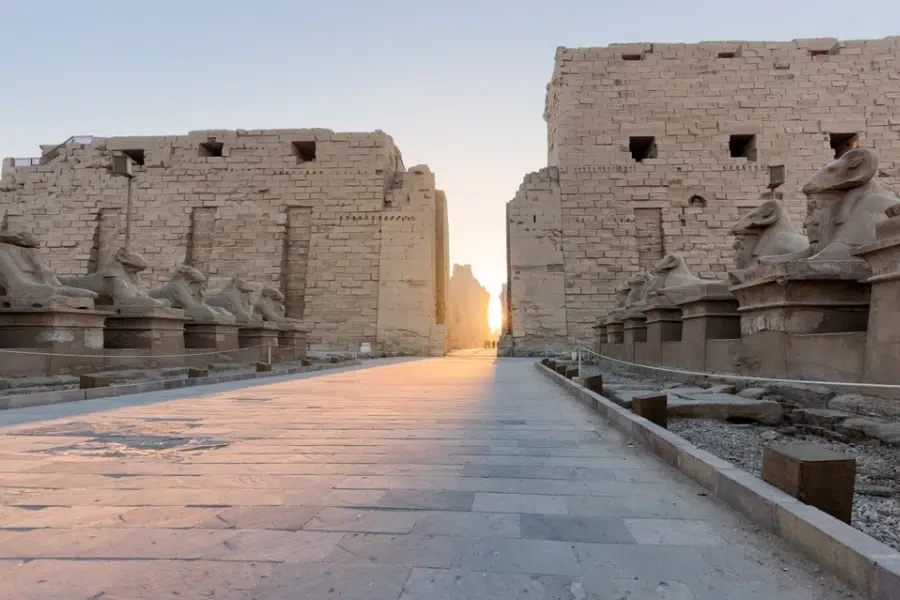
What Was the Ancient Egyptian Religion?
Ancient Egyptian religion was a complex belief system centered around gods, magic, nature, and the afterlife. It was not a single unified religion but a combination of local traditions, myths, and rituals that developed over millennia along the Nile Valley.
It focused on maintaining Maat, the divine principle of balance, order, and justice, believed to be essential for the universe to function. Egyptians practiced rituals, offered prayers, and built temples to ensure harmony between humans, nature, and the gods.
What Was the Ancient Egyptian Religion Called?
There was no single official name for ancient Egyptian religion in antiquity. However, the closest term used by the Egyptians was “The Way of the Gods” (Egyptian: netjeru). Modern scholars sometimes call it Kemetic religion, from the ancient name of Egypt — Kemet.
Today, people who revive ancient Egyptian beliefs call their faith Kemetism.
Origins & Development of Ancient Egyptian Religion
The roots of ancient Egyptian religion began before the unification of Egypt around 3100 BC. Over time, beliefs evolved as rulers, regions, and gods gained importance. Yet the core idea remained the same: maintaining balance between humans and the divine.
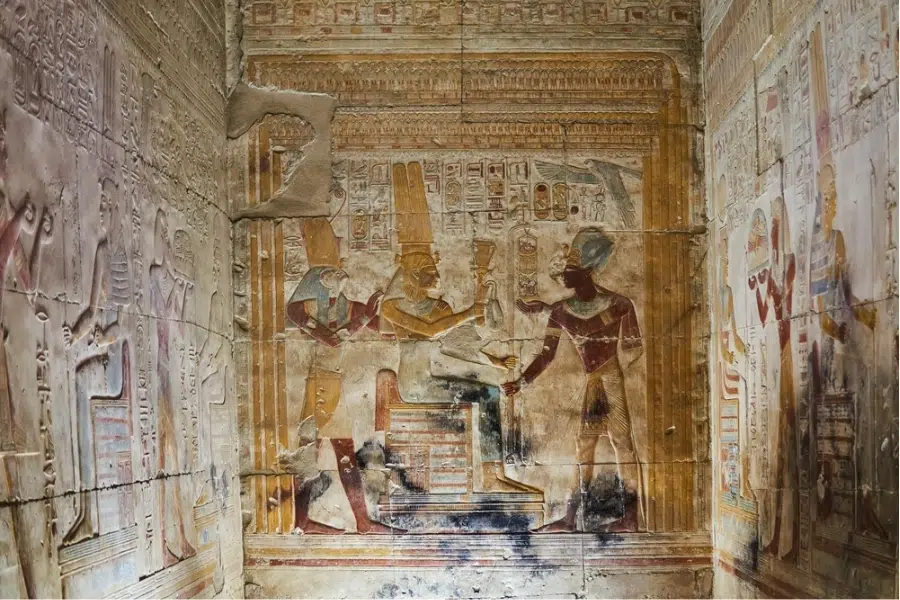
Key Milestones
- The Predynastic period — worship of nature and animals
- The Old Kingdom — rise of sun god Ra and divine kingship
- The Middle Kingdom — stronger religious texts and afterlife beliefs
- The New Kingdom — expansion of major cults like Amun and Osiris
- Late Period — merging of gods and influence from foreign cultures
Despite changes across dynasties, religion stayed central to Egyptian identity and governance.
Core Beliefs of Ancient Egyptian Religion
Ancient Egyptian religion centered around the idea that life, death, and nature followed a divine order. This order had to be protected through rituals, prayers, and moral behavior. The Egyptians believed that every action, small or large, affected the harmony of the cosmos.
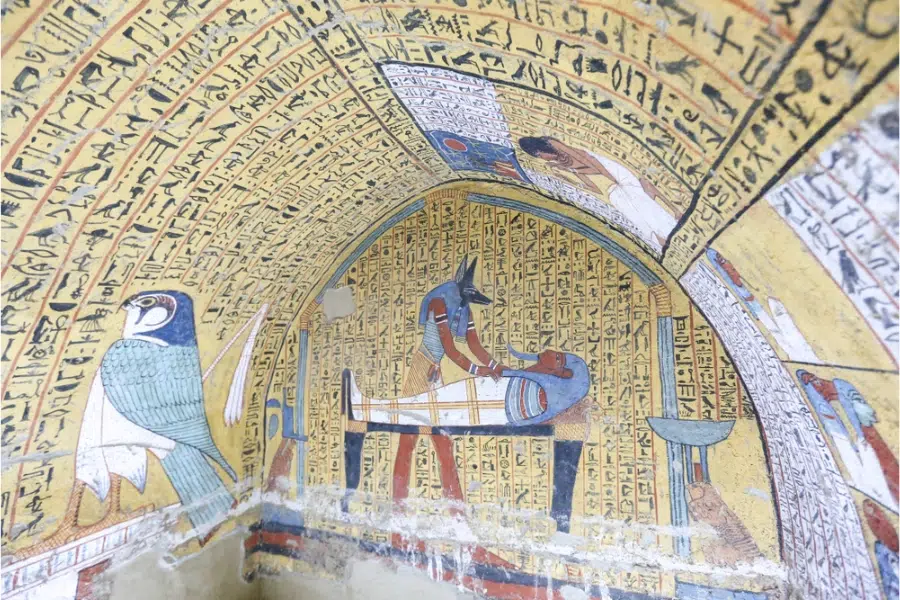
Maat — The Divine Principle of Balance
Maat was the foundation of all beliefs — representing truth, justice, harmony, and cosmic balance. Egyptians believed that chaos (Isfet) constantly threatened the world, and only by living in Maat could the universe remain stable.
- Follow moral behavior and honesty
- Respect the gods and natural order
- Support justice in community and politics
Even the Pharaoh’s main duty was to uphold Maat for Egypt and for the world.
Magic (Heka) — A Gift from the Gods
Magic was not superstition — it was a divine force given by the creator god to help maintain life. Heka influenced healing, protection, funerary rituals, and everyday challenges. Priests, doctors, and ordinary people used spells and amulets to protect themselves.
The Afterlife — Ka, Ba & Judgment of the Dead
Life on earth was only one part of existence. To continue the eternal journey after death, Egyptians believed in preserving the body and soul through proper rituals.
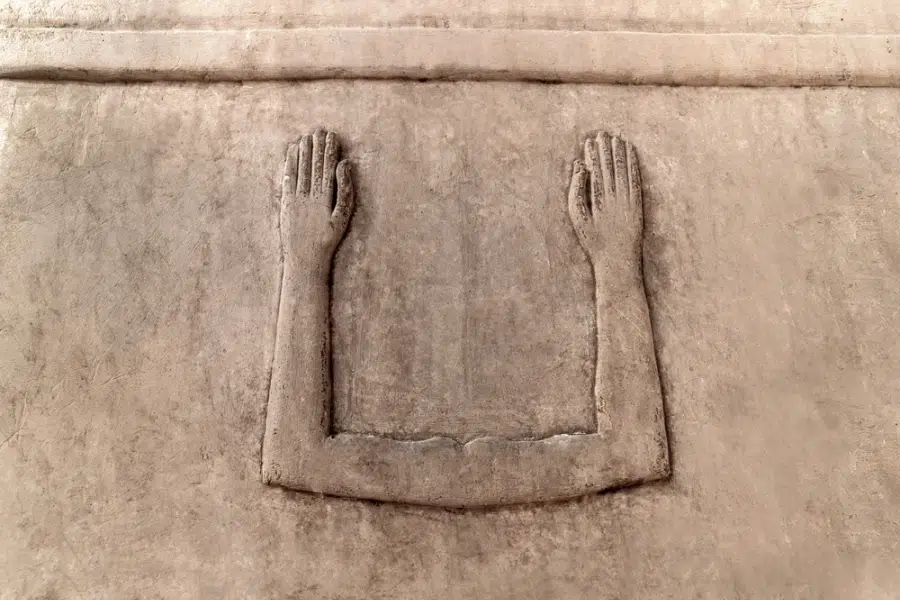
- Ka: the life force that needed food offerings after death
- Ba: the personality and individuality that could move freely
- Akhu (Akh): the transformed, blessed spirit that lived among the gods
The soul’s fate was decided in the Weighing of the Heart before Osiris, where the heart was weighed against the feather of Maat.
A righteous soul became Akh, while a corrupted soul was devoured by Ammit — ending its existence forever.
Ancient Egyptian Gods and Goddesses
Egyptians worshipped hundreds of gods and goddesses, each with specific powers, holy animals, and sacred cities. Many gods combined human and animal features to represent spiritual strength.
- Ra — sun god and ruler of creation
- Osiris — god of death and rebirth
- Isis — goddess of magic and motherhood
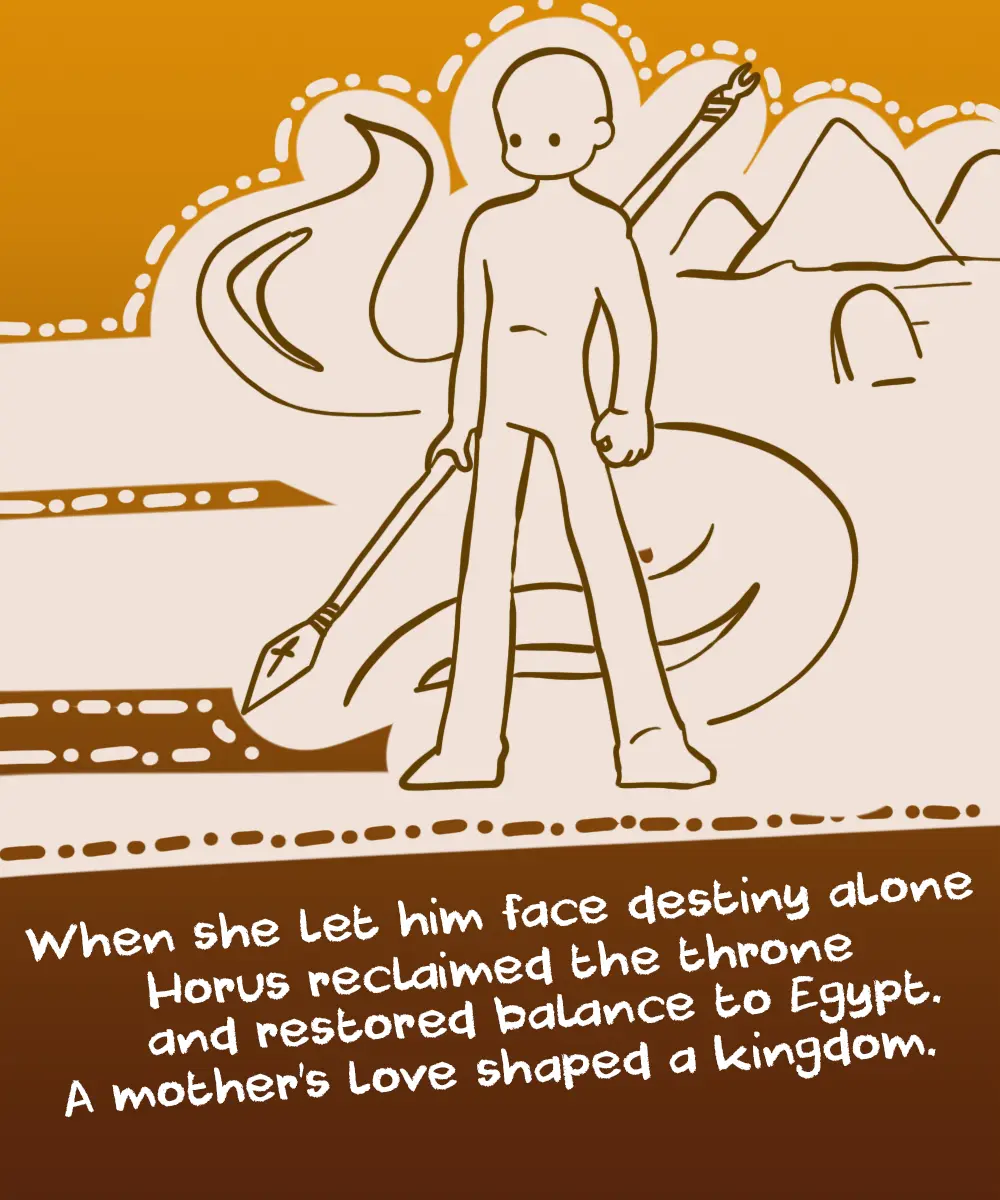
- Horus — protector of kingship
- Anubis — god of mummification
- Amun — king of the gods during the New Kingdom
Every region had its own patron deity, and many gods merged over time, like Amun-Ra.
The Pharaoh was seen as the living Horus and after death, united with Osiris — a sacred cycle ensuring the stability of Egypt.
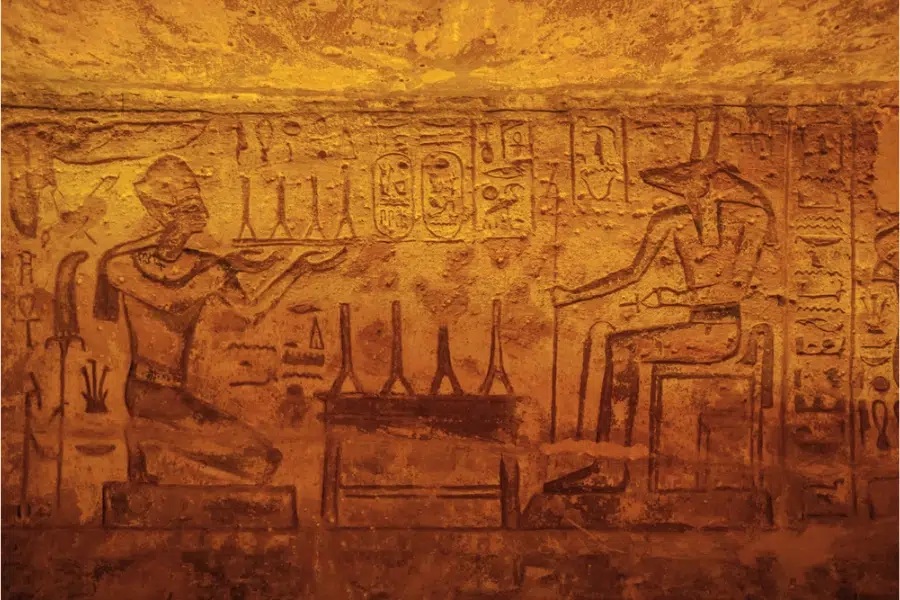
Ancient Egyptian Religious Symbols & Meaning
Symbols played a vital role in protecting life, guiding the soul in the afterlife, and maintaining divine harmony. These sacred emblems appeared in temples, tombs, jewelry, and papyrus rolls like the Book of the Dead.
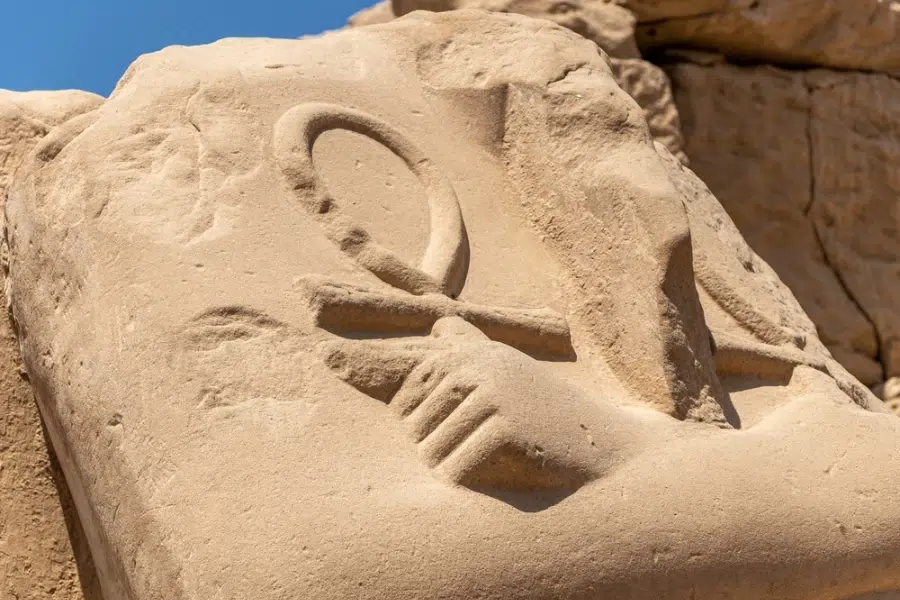
- Ankh – Symbol of life and eternal existence
- Djed Pillar – Strength and stability (linked to Osiris)
- Eye of Horus (Wedjat) – Healing and protection
- Scarab Beetle – Rebirth and transformation
- Feather of Maat – Morality, justice, and cosmic order
- Uraeus Cobra – Royal power and divine protection
These symbols were used as amulets to protect both the living and the deceased on their spiritual journey.
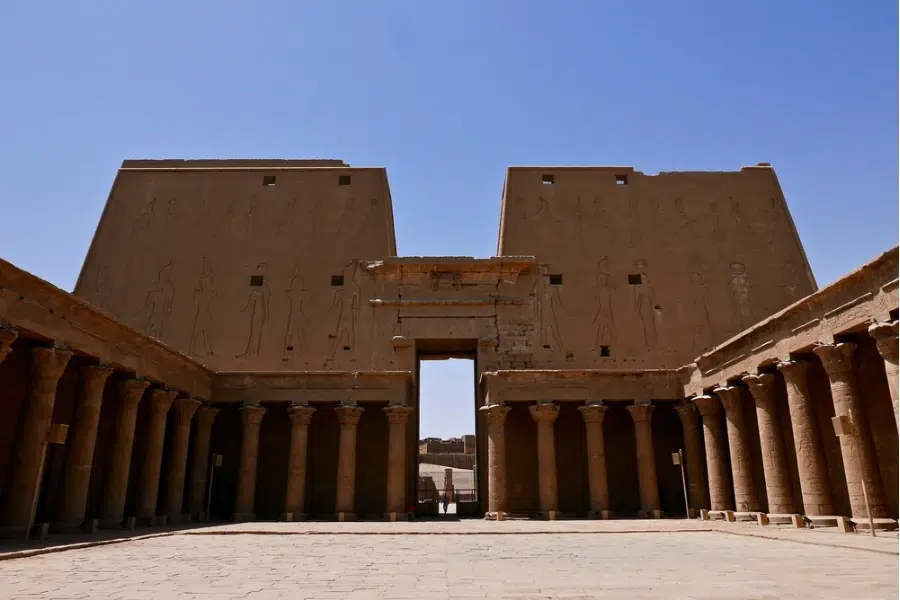
Temples in Ancient Egyptian Religion
Temples were not places of worship for ordinary people — they were homes for the gods. Only priests and pharaohs could enter the sacred inner chambers, performing daily rituals to “activate” the divine presence.
Main Types of Temples
- State Temples – Dedicated to national gods like Amun or Ra
- Mortuary Temples – Built to honor deceased pharaohs (e.g., Hatshepsut Temple)
- Sun Temples – Open courtyards connected to the Sun God
Temples were economic centers — owning land, livestock, wealth, and employing thousands of workers across Egypt.
Priests & the Pharaoh — Guardians of Divine Order
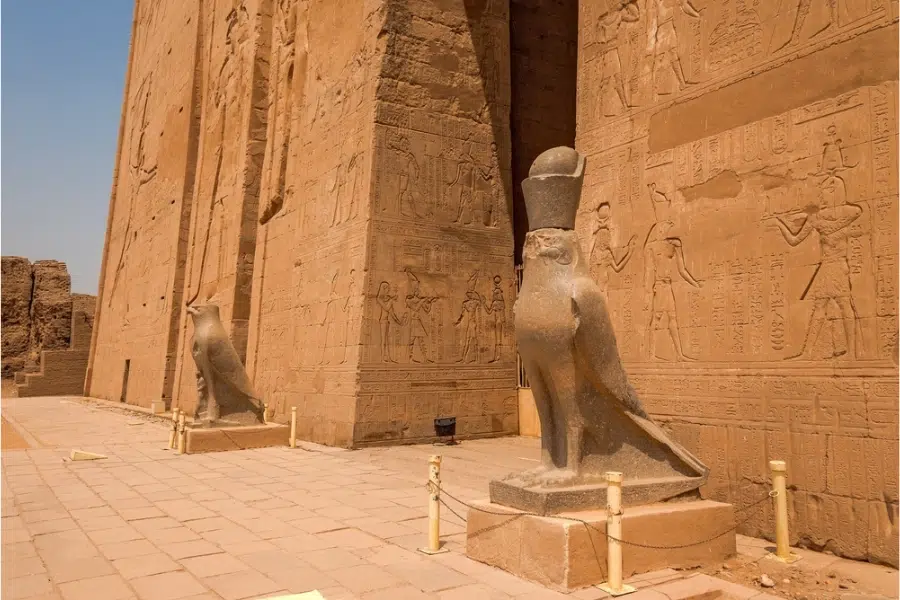
The Pharaoh was both king and divine representative — the living Horus on earth. Priests assisted him by performing rituals, interpreting omens, preserving scrolls, and ensuring the temple operated according to Maat.
- High Priests – Political and spiritual authority
- Daily Ritual Priests – Washed, clothed, and fed the god’s statue
- Funerary Priests – Performed mummification and burial rites
- Scribes – Recorded rituals and sacred knowledge
- Chantresses & Musicians – Sang hymns and sacred music to honor the gods
Religious Festivals in Ancient Egypt
Festivals were joyful moments that connected the gods with the people. Music, sacrifices, sacred boats, and feasting turned religion into a social celebration. Some festivals also renewed political power and ensured the Nile’s fertility.
- Opet Festival – celebrating Amun and rejuvenating the Pharaoh’s power
- Wepet-Renpet – the Egyptian New Year linked to the Nile flood
- Beautiful Feast of the Valley – honoring the dead and their afterlife journey
- Hathor Festivals – joy, music, and healing ceremonies
- Khoiak Festival – Osiris’s rebirth and the triumph over death
These festivals brought the hidden statues of gods out into public processions, allowing people to feel their presence and blessings.
What Happened to Ancient Egyptian Religion?
The ancient Egyptian religion lasted for more than three millennia. But by the Greco-Roman period, new beliefs and foreign influence started to reshape spiritual life in Egypt.
- Greek influence brought new gods and philosophical ideas
- Roman rule weakened the traditional priesthood
- The spread of Christianity in the 4th century AD closed Egyptian temples
The last known hieroglyphic inscription at Philae Temple in 394 AD marks the symbolic end of the traditional Egyptian religion. However, many beliefs and traditions survived through Coptic Christianity and Egyptian culture today.
Is Ancient Egyptian Religion Still Practiced Today?
Although the original religious system faded long ago, many of its ideas and symbols still influence modern culture. Some spiritual groups today revive the ancient faith under the name Kemetism, honoring gods like Osiris, Isis, and Ra through modified rituals.
This modern revival is small but growing, driven by fascination with ancient Egyptian wisdom, afterlife beliefs, and cosmic harmony based on Maat.
Conclusion — The Eternal Spirit of Ancient Egyptian Religion
The ancient Egyptian religion shaped art, architecture, kingship, and everyday life for over 3,000 years. Its powerful gods, moral principles like Maat, and belief in the afterlife inspired people to live with purpose — and build monuments that still amaze the world today.
Although temples eventually closed and new faiths emerged, many traditions survived through culture, language, and symbolism. From the Ankh to the Eye of Horus, the spiritual legacy of ancient Egypt continues to shine in modern times.
Exploring this religion is not just a look into the past — it is a journey into how humanity understood life, death, and the universe itself.
If this guide sparked your curiosity, keep exploring our articles about ancient Egyptian gods, symbols, temples, and daily life. Each story reveals another layer of how faith shaped one of history’s greatest civilizations.
And if you truly want to feel this spiritual world come alive, nothing compares to walking between temple columns, seeing sacred reliefs, and standing where ancient Egyptians once prayed. Turn your fascination into a real-life journey through Egypt.
FAQs – Ancient Egyptian Religion & Beliefs
What was the ancient Egyptian religion called?
The belief system of the ancient Egyptians is often referred to as Kemetic religion or simply Ancient Egyptian religion, centered on worshipping many gods (polytheism), honoring the afterlife, and preserving balance known as Maat.
Why did ancient Egyptians believe in so many gods?
Each god represented a force of nature or aspect of life — such as the sun, the Nile, love, and protection. Egyptians believed multiple gods ensured harmony, stability, and survival in a complex world.
What did ancient Egyptians believe happens after death?
They believed humans have both a Ka (life force) and a Ba (soul), which must reunite after mummification. If judged pure by Osiris, one could live forever in the Field of Reeds — a perfect version of life on earth.
Who was the most important god in ancient Egypt?
God importance changed over time, but Ra (the Sun God) and Amun-Ra were widely worshipped as supreme creators. In the afterlife, Osiris was the central divine ruler of the dead.
Did ancient Egyptians have a holy book?
There wasn’t a single book like modern religions, but many sacred texts existed — including the Pyramid Texts, Coffin Texts, and the famous Book of the Dead, which guided the soul through the afterlife.
Is ancient Egyptian religion still practiced today?
The original temples closed around the 4th century AD, but several traditions and symbols survived in Egyptian culture. A modern revival known as Kemetism is practiced by small communities inspired by the ancient gods and rituals.