
Do I Need Travel Insurance for Egypt?
Is travel insurance for Egypt really necessary? It’s a question many travelers ask before their trip. Egypt doesn’t legally require travel insurance for entry, but moving between cities, relying on domestic transportation, and the fixed schedules of Nile cruises can introduce real risks that may affect your itinerary or travel budget.
During tours in Egypt, even a simple delay in a domestic flight can result in missing a Nile cruise departure, planned activities such as diving or snorkeling in the Red Sea, or dealing with unexpected medical issues and emergency expenses. In situations like these, having suitable travel insurance can be an important safety net.
In this guide, we provide a clear and practical answer to whether travel insurance for Egypt is necessary, when it becomes essential, what it typically covers, its expected cost, and how to choose the right policy for your trip.
For a broader overview, you can also start with our complete Egypt travel insurance guide, which explains coverage, costs, and timing in more detail. We also include specific advice for Nile cruise tours and Red Sea activities, along with a set of common questions answered in a simple and straightforward way.
Key Takeaways
- Travel insurance to Egypt is not legally required, but it’s strongly advisable for medical coverage, medical evacuation, and non-refundable expenses.
- The insurance becomes more important in cases of Nile cruises, domestic flights, family or senior travel, or planning water activities in the Red Sea.
- Typical coverage includes: medical emergencies, trip cancellation or interruption, delays, baggage problems (varies according to the policy).
- Rough cost: the comprehensive insurance costs about 4-8% of the insured trip value, while medical-only insurance is cheaper, but doesn’t include cancellation.
- It’s better to buy the insurance right after booking your trip and make full use of its time-related advantages (like some waivers).
- Keep a PDF copy of the insurance policy and the 24/7 assistance that could be used offline.
The 30-Second Answer: Do You Need Travel Insurance for Egypt?
Travel insurance is not legally required for entry to Egypt, but it’s strongly advisable for many travelers. Moving between Egypt cities, relying on domestic flights, or dealing with the fixed schedules of Nile cruises can sometimes lead to unexpected situations.
Activities such as diving or snorkeling in the Red Sea further increase the importance of having suitable insurance. In these cases, travel insurance can help protect you from sudden medical expenses, the need for medical evacuation, or the loss of non-refundable costs you’ve already paid.
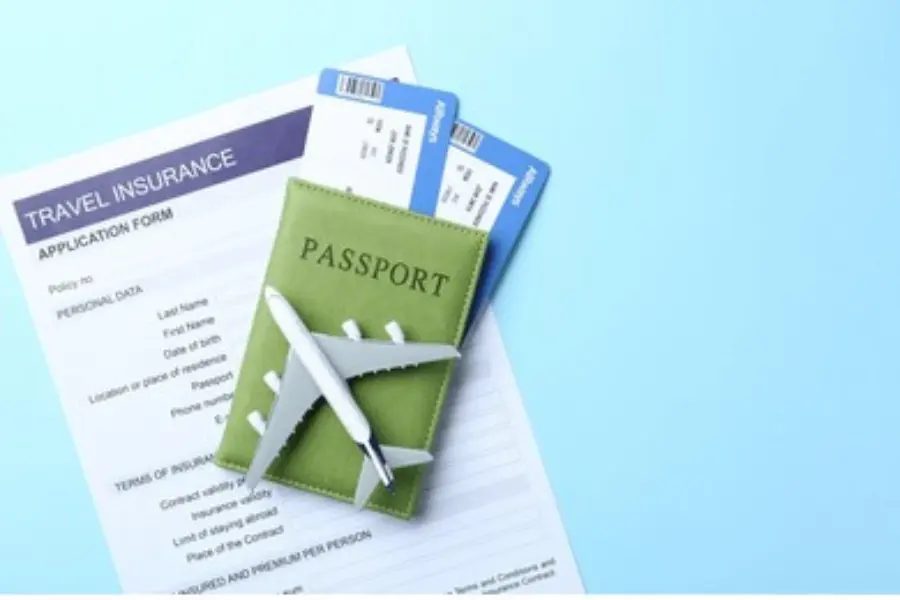
- Not mandatory for entry.
- Strongly recommended for medical, evacuation, and non-refundable costs.
- Extra relevant for cruises, domestic flights, Red Sea plans.
When Travel Insurance Is Essential in Egypt
Sometimes, travel insurance is simply a nice-to-have addition. However, it becomes essential when your itinerary involves multiple forms of transportation, fixed schedules, or factors such as age and non-refundable deposits. As the amount of movement and complexity in your trip increases, so does the importance of having suitable insurance to protect you from unexpected losses.
Travel insurance becomes a must-have in these situations:
- A Nile cruise with fixed schedules that are difficult to adjust or replace.
- Domestic flights, where a simple delay could cause you to miss part of your itinerary.
- Water activities such as diving or snorkeling, which often require an extra add-on or specific certification.
- Traveling with family members or seniors, or having pre-existing medical conditions.
- Paying high, non-refundable costs or traveling during peak seasons.
Example:
If you miss a domestic flight before boarding a Nile cruise, trip cancellation or interruption coverage may help pay for additional hotel stays or transportation to rejoin your trip — instead of covering those costs out of your own pocket.
In situations involving remote routes, cruises, or medical emergencies, understanding medical evacuation insurance for Egypt can help you decide whether basic coverage is enough.
What It Covers vs. What It Won’t
In general, travel insurance policies are divided into two main parts: what the policy covers and what it excludes. Understanding the difference between the two helps you avoid unpleasant surprises when submitting a claim.

What Travel Insurance Typically Covers
- Emergency medical treatment in hospitals and clinics, along with medical evacuation in serious cases.
- Trip cancellation or interruption, as well as compensation for unexpected delays.
- Baggage-related issues, such as loss or delay (within the policy’s stated limits).
Common Exclusions to Be Aware Of
- High-risk activities or adventures (such as deep or technical diving) unless an additional add-on is included.
- Undeclared pre-existing medical conditions when no waiver is provided.
- Accidents resulting from reckless behavior or incidents related to alcohol consumption.
What to Check When Filing a Claim
- Make sure you can provide the required documents, such as medical reports, invoices and receipts, flight delay notifications, and baggage or police reports when applicable.
- Keep both original documents and digital copies, and always be aware of the policy’s time limits for submitting claims.
How Much Travel Insurance for Egypt Costs
The cost of travel insurance for Egypt varies based on several factors, including the traveler’s age, the total cost of the trip, and what the policy covers.
In general, comprehensive travel insurance costs more than medical-only insurance because it provides broader protection. This typically includes trip cancellation or interruption, delays, and baggage coverage, which makes comprehensive plans more suitable for complex itineraries, Nile cruises, or trips involving domestic travel.
Medical-only insurance is a more affordable option that focuses on emergency medical treatment and medical evacuation, without covering trip cancellation or delays. This type of coverage may be suitable for simple trips or when there are few or no non-refundable expenses.
For travelers who take multiple trips throughout the year, annual or multi-trip insurance can be a practical option. One policy covers several trips, although each trip still has specific coverage limits and maximum duration rules.
Overall, it’s important to compare what each insurance plan includes before looking at the price. The cheapest option often comes with lower coverage limits or more exclusions, which may not offer enough protection for your trip.
How to Choose Travel Insurance for Egypt (5-Step Checklist)
Choosing the right travel insurance isn’t about price being the first factor — it’s about how well the coverage fits your actual travel plan. Before comparing prices, focus on the coverage details, the limits offered, and whether the policy matches the type of trip and activities you have planned.
1. 5-Step Mini-Checklist
1- Set appropriate medical coverage limits:
Medical coverage should ideally be no less than $50,000. For senior travelers, $100,000 or more is recommended, with medical evacuation coverage of at least $250,000.
2- Protect non-refundable costs:
If you’ve paid deposits or bookings that are difficult to refund, make sure the policy includes trip cancellation or interruption coverage.
3- Add riders for water activities:
If you plan to dive or snorkel, review depth limits, required certifications, and confirm whether the activity is included or requires an additional rider.
4- Prepare for claims in advance:
Understand the required documents, claim submission time limits, and check whether the 24/7 assistance number or mobile app can be used from Egypt.
5- Compare prices last:
Once you’re confident the coverage fits your trip, compare prices. Keep in mind that cheaper policies often come with lower limits or more exclusions.
Special Cases: Nile Cruises & Red Sea Diving
Certain types of trips in Egypt require extra attention when choosing travel insurance — especially Nile cruises and water activities in the Red Sea such as Hurghada, Sharm El Sheikh, Marsa Alam, and El Gouna. In these cases, standard insurance may be insufficient due to fixed schedules and higher-risk activities, making coverage details especially important.

Important Advice for Nile Cruises and Diving
- Make sure the policy covers Nile cruises, with a strong focus on medical coverage, medical evacuation, and trip cancellation or interruption in case of schedule changes or missed ports.
- For diving or snorkeling, check whether the activity is included by default or requires an additional rider.
- Review allowed depth limits (typically 18–30 meters), required certifications, and whether night diving or liveaboard trips are covered.
- Be aware of common exclusions, such as solo diving, uncertified diving, technical diving, or ignoring medical instructions.
Important Documents for Claims
- Booking confirmations and any itinerary or schedule changes.
- Diving records or a confirmation letter from the diving center.
- Medical or accident reports.
- Flight delay notifications or proof of missed connections.
Before Traveling
- Save a screenshot of the water-activities rider details.
- Store the 24/7 assistance number or emergency contact details offline.
Buying Travel Insurance Late: What You Need to Know
Some travel insurance benefits are time-sensitive, such as waivers for pre-existing medical conditions or certain trip cancellation benefits. These advantages usually require purchasing insurance within 10 to 14 days of making your first trip payment. If you buy insurance after this window, you will likely miss out on these benefits.
When insurance is purchased late, coverage typically applies only to new events that occur after the purchase date. Any issues or conditions that started before buying the policy are generally not covered, which makes it important to understand the limits clearly.
If you’ve missed the time-related cancellation benefits, medical-only insurance may still be a suitable option to cover the most important risks during your trip.
Quick tips:
– Review the date of your first trip payment, then check the allowed purchase window in the insurance policy.
– If the time-sensitive benefits period has passed, consider medical-only insurance to cover core risks.
– Keep all receipts and official or medical reports starting from the day you purchase the insurance.
Once your itinerary starts coming together — whether it includes a Nile cruise, domestic travel, or multiple destinations — having a clear plan makes everything smoother. Many travelers prefer to finalize their route and travel schedule first, then choose travel insurance that aligns naturally with those plans.
Exploring different Egypt tour packages or Nile cruise routes can help you understand what level of coverage fits your journey best.
Conclusion
So, do you really need travel insurance for Egypt? While it’s not legally required, it’s often a smart decision — especially if your trip includes domestic flights, a Nile cruise with fixed schedules, or activities such as diving and snorkeling in the Red Sea.
Choosing the right travel insurance doesn’t mean going for the cheapest option. It means selecting coverage that truly matches your itinerary, planned activities, and budget. Medical emergencies, trip delays, or missed connections can happen, and having suitable insurance helps you manage these situations without unexpected financial stress.
By understanding what your policy covers, choosing reasonable limits for medical care and evacuation, and adding extra riders when needed, you can enjoy your trip to Egypt with greater confidence and peace of mind — focusing on the experience itself, not the “what ifs.”
If you want to go a step further, our guide on how to compare travel insurance plans for Egypt breaks down the key differences in coverage and costs.
FAQs
Is travel insurance mandatory for Egypt?
No. It isn’t legally required, but it’s strongly recommended for medical care, evacuation, and non-refundable costs—especially if your trip includes cruises, domestic flights, or diving.
Medical-only vs comprehensive—what works for a Nile cruise?
Comprehensive insurance works better. Nile cruises often involve deposits and fixed schedules, so cancellation, interruption, and delay coverage matters alongside medical and evacuation benefits.
Do I need a rider for Red Sea diving or snorkeling?
Often yes, especially for scuba diving. Many policies limit depth or require certification, so adding a water-sports or adventure rider is usually necessary.
How do pre-existing condition waivers work?
Some insurers offer waivers if you buy the policy within a set time after your first trip payment and meet stability requirements. Always check the policy wording carefully.
Does travel insurance cover domestic flight delays in Egypt?
Many plans include delay or missed-connection benefits with set limits. Keep airline delay notices and receipts to support your claim.
Can I buy travel insurance after booking—or after departure?
Yes, but time-sensitive benefits may no longer apply. Buying late usually covers only new events, not issues that started earlier.
What minimum coverage limits do you recommend?
As a general minimum, around $50,000 for medical coverage (seniors may consider $100,000 or more) and at least $250,000 for medical evacuation.
Does credit card travel insurance replace a full policy?
It can help, but coverage limits are often low or restricted. Many travelers still prefer a full policy for stronger medical, evacuation, and cancellation protection.
Are shore excursions covered during a cruise?
Usually yes, if they’re part of the insured trip and the reason for the claim is covered. Keep receipts and official schedule or itinerary changes.
Can I extend my travel insurance if I stay longer?
Some policies allow extensions before they expire. Check the maximum trip length and contact the insurer’s assistance team as early as possible.