
Travel Medical Insurance for Egypt: What It Covers & How to Choose
Travel medical insurance for Egypt is one of the most important things to consider before your trip, as it differs significantly from comprehensive travel insurance. Travel medical insurance focuses mainly on emergency medical treatment and medical evacuation, and does not include coverage for trip cancellation, delays, or baggage loss.
Traveling in Egypt often involves domestic flights between cities, fixed schedules for Nile cruises, and water activities such as diving or snorkeling in the Red Sea. In some seasons, high temperatures can also increase health risks. All these factors make proper medical insurance a practical and often necessary choice—especially since local health insurance from your home country usually does not extend abroad or cover international medical evacuation.
In this guide, we explain what travel medical insurance for Egypt typically covers and excludes, the coverage limits to consider, how medical evacuation works, rules for pre-existing medical conditions, and how payment and claims are usually handled. You’ll also find specific advice for Nile cruise trips and Red Sea activities, along with clear answers to the most common traveler questions.
Key Takeaways
- Medical travel insurance for Egypt covers emergency treatment and medical evacuation outside your country of residence, and doesn’t include trip cancellation, delays, nor baggage issues.
- It’s better for medical coverage not to be less than $50,000 ($100,000 for seniors), with medical evacuation coverage that isn’t less than $250,000, especially for complex or remote trips.
- From common exclusions: undeclared pre-existing medical conditions, high-risk activities without adding a rider, and accidents resulting from alcohol or reckless behaviors.
- Medical evacuation usually requires pre-authorization from the assistance team, so it’s advisable to contact the emergency services immediately and follow their instructions accurately.
- You may need to pay first, then submit the claim after that, or you can use direct billing at partner hospitals, so always keep the medical reports and receipts.
- It’s advisable to take your necessary medications with a printed medical prescription, as medicine names or concentrations may differ in Egypt.
What Travel Medical Insurance Actually Covers
Travel medical insurance covers emergency medical treatment and medical evacuation outside your country of residence. It protects you in case of sudden illness or injury during your trip, helping you access proper medical care without unexpected financial stress.

Usual inclusions:
- Emergency medical services in clinics and hospitals.
- Medication inside hospitals and hospitalization if needed, and ambulance services.
- Medical prescribed medicines, check-ups, and main tests.
- Medical evacuation or transferring the patient to a more suitable place if needed.
- 24/7 medical assistance services via phone or app.
Not included by default:
- Trip cancellation or interruption.
- Trip delays or missed connections.
- Baggage issues or personal belongings.
These coverages are usually included in comprehensive insurance, not in medical-only insurance, so it’s important to understand the difference between the two types and choose what fits your trip and your medical needs.
Common Exclusions (Read These Before You Buy)
While travel medical insurance provides essential protection, every policy includes exclusions you should understand before purchasing. Most providers do not cover undeclared pre-existing medical conditions or high-risk activities unless an additional rider is added. Incidents related to alcohol or reckless behavior are also commonly excluded.
Common Exclusions:
- Undeclared pre-existing medical conditions.
- High-risk activities or sports without an added rider.
- Accidents caused by alcohol use or reckless behavior.
- Diving without proper certification, solo diving, or deep/technical diving.
- Claims submitted without the required supporting documents.
Picking the Right Limits (Simple Benchmarks)
Choosing medical coverage limits should be based on potential medical costs—not just the price of the policy.
These benchmark ranges can help you select reasonable coverage without overpaying:
- Medical coverage: Ideally no less than $50,000, and $100,000 or more for seniors, to cover unexpected medical emergencies.
- Medical evacuation: Coverage should not be less than $250,000, due to the high cost of air ambulances and long-distance medical transport.
- Deductible: Lower is better. If your budget allows, choose a zero or very low deductible to avoid out-of-pocket expenses during emergencies.
- Pharmacy coverage: Some policies set limits per prescription or medication, so it’s important to review these caps carefully.
Note: choosing higher limits doesn’t mean covering all conditions, so reading the policy accurately is a main step before purchasing.
Evacuation Basics (Medevac Without the Jargon)
Medical evacuation refers to transferring a patient to a more suitable medical facility when local care is not sufficient. This transfer may take place within the same country or to another country, depending on the situation—it does not always mean returning to your home country.
The role of the 24/7 assistance team is critical. They handle pre-authorization, coordinate medical transport, and arrange evacuation logistics. For this reason, you should contact them immediately in any serious medical situation and follow their instructions closely. Always keep emergency contact numbers and key medical documents easily accessible.
1. Basic steps:
- Contact the 24/7 assistance service immediately.
- Follow the pre-authorization instructions.
- Provide them with your location, medical documents, and your contact details.
- Keep receipts and medical notes.
- keep all messages and emails in one folder.
Pre-Existing Conditions: Can You Get a Waiver?
Some insurance companies provide a waiver for pre-existing medical conditions if you buy insurance within a set period after paying your first trip deposit, only if the condition is stable. It’s important to read the definitions carefully, such as the meaning of pre-existing and look-back period, as the documents and requirements vary by provider.
Important points to check:
- The purchasing period begins after paying the first deposit for the trip.
- Definition of stability & look-back.
- Doctors’ letters or medication lists, if required.
Paying for Medical Care in Egypt (How It Works)
There are two main ways to pay for medical care while traveling in Egypt.
First, you may need to pay the medical bills upfront and then submit a claim to your insurance provider for reimbursement, along with the required documents.
Second, some hospitals and clinics work directly with insurance companies through direct billing. In these cases, the insurer contacts the medical provider and settles the costs without you paying out of pocket.
Important note: Before traveling, contact your insurance provider’s assistance hotline to confirm which hospitals offer direct billing in major cities such as Cairo, Luxor, Aswan, Hurghada, and Sharm El Sheikh.
Important Points:
- Ask about the partner hospitals that provide direct billing.
- Keep medical reports, prescriptions, and itemised receipts.
- Note dates, times, doctor names, and diagnosis codes.
If your medical coverage includes evacuation benefits, it’s important to understand how emergency and medical evacuation insurance works in Egypt, especially for remote areas, cruises, and Red Sea trips.
Pharmacy & Prescriptions (Simple Basics)
When traveling to Egypt, it’s advisable to bring the main medicines that you need during the trip in their original packaging, along with keeping a printed medical prescription showing the medicine name and dosage. Some medicines may be sold in Egypt but in different names or concentrations, so knowing the generic name of the medicine helps in case of needing a replacement.
It’s also better to take enough medicine that covers the total duration of the trip with an additional amount for any unexpected delay. You should know that some medicines may be restricted when traveling or entering the country, which makes the medical prescription a necessary step to avoid any problems.
Choosing a Travel Medical Plan: A Practical Checklist
Choosing a suitable plan for medical insurance doesn’t depend on choosing the cheapest price, but on how it fits your itinerary and your actual needs. If you want to see how different plans compare side by side, you can check our detailed guide on the best travel insurance for Egypt.
Practical Checklist:
- Medical coverage of at least $50,000 ($100,000 or more for seniors).
- Medical evacuation coverage of at least $250,000, including air ambulance coverage.
- Ability to contact the 24/7 assistance service from Egypt (phone or app).
- Adding an extra rider for activities such as diving or snorkeling, and reviewing depth limits and certification.
- Choosing a deductible that you can afford in case of claim.
- Knowing the required documents and the period for claims.
- Flexibility of the policy in changing dates and amounts if the travel plan changes.
Special Notes for Nile Trips & Red Sea Activities
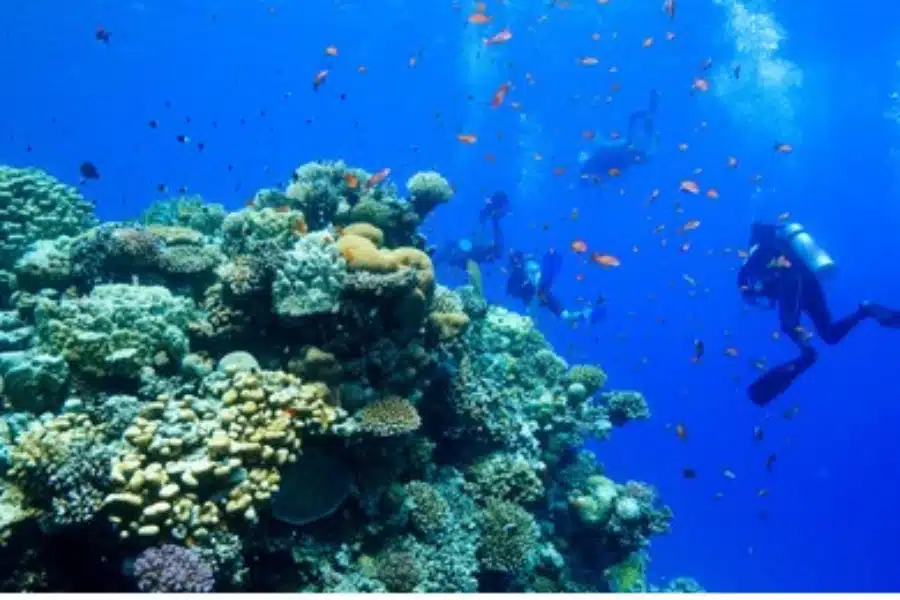
Some trips in Egypt require extra attention when choosing travel medical insurance—especially Nile cruises and diving or snorkeling in the Red Sea. Fixed cruise schedules and the higher risks associated with water activities make medical coverage and medical evacuation essential, not just optional add-ons.
Important Advice for Nile Cruises & Diving Activities
- Make sure your insurance covers emergency medical treatment and medical evacuation during Nile cruise trips. If trip cancellation or interruption coverage is included, check that it applies in cases of schedule changes or missing part of the itinerary.
- Review whether activities such as diving or snorkeling are included in the policy or require adding an extra rider.
- Check allowed depth limits, required certifications, and whether coverage applies to night dives or liveaboard trips.
- Be aware of common exclusions, such as uncertified diving, solo diving, and technical diving.
Documents you should keep:
- All trip bookings, itineraries, and any official schedule changes.
- Diving records or a confirmation letter from the diving center.
- Medical reports and accident reports, if applicable.
- Flight delay notifications and cruise schedule change confirmations.
If You Already Have Some Coverage
Before buying travel medical insurance, it’s important to check whether you already have some type of coverage through your employer, local health insurance, or even your credit card. In many cases, these options don’t fully cover medical treatment outside your home country, and they often exclude medical evacuation or out-of-network hospitals abroad.
Many travelers also wonder whether travel insurance is actually required for Egypt. For a clear, practical answer, see our guide on do you need travel insurance for Egypt
Questions to ask your provider:
- Does the policy cover medical treatment outside your country?
- Is medical evacuation included, and what are its limits?
- Are there deductibles or co-payments for treatment abroad?
- What is the exact process for claiming overseas medical expenses?
Conclusion
Travel medical insurance for Egypt isn’t about overpaying or expecting the worst—it’s about being prepared. With the right medical and evacuation coverage, you can travel with confidence, knowing you’re protected if something unexpected happens.
By taking the time to understand what’s included, what’s excluded, and how claims work, you’ll be able to choose a policy that truly matches your itinerary, planned activities, and health needs—so you can focus on enjoying your trip, not worrying about potential risks.
Your itinerary plays a big role in the type of coverage you need.
Multi-city tours and Nile cruises often involve fixed schedules and internal travel, which can affect medical and evacuation needs.
FAQs
Is travel medical insurance the same as comprehensive travel insurance?
No. Travel medical insurance focuses on emergency medical treatment and evacuation only, while comprehensive insurance also covers trip cancellation, delays, and baggage issues.
What medical coverage limit is suitable for Egypt?
As a general guideline, medical coverage should not be less than $50,000. Seniors usually consider $100,000 or more, especially for longer or more complex trips.
Does travel medical insurance cover pre-existing conditions?
Sometimes. Some providers offer a waiver if the policy is purchased within a specific time after the first trip payment and the condition meets stability rules.
Will the insurance company pay the hospital directly in Egypt?
In many cases, yes. Through direct billing at partner hospitals. Otherwise, you may need to pay first and submit a claim later, so contacting assistance in advance is important.
Are diving or water activities in the Red Sea covered?
Often only with an added rider. Coverage usually depends on certification and depth limits, while solo or technical diving is commonly excluded.
Does medical evacuation mean returning to my home country?
Not always. Evacuation usually means transfer to the nearest suitable medical facility; returning home depends on medical necessity and policy wording.
Can I buy travel medical insurance after arriving in Egypt?
Some policies allow late purchase, but coverage applies only to new events after the purchase date. Time-sensitive benefits usually won’t apply.
What documents are required when submitting a claim?
You’ll usually need medical reports, prescriptions, itemised receipts, and any official notices related to delays or itinerary changes. Keeping originals and digital copies helps speed up the process.