

Philae Temple in Aswan – History, Relocation & Visitor Guide
Philae Temple, often called the “pearl of Egypt”, is one of the most stunning Nubian temples in Egypt. Built in 690 BC, it is dedicated to Isis, the goddess of magic and healing. Originally located on Philae Island in the middle of the Nile in Aswan, the temple was carefully relocated to Agilkia Island by UNESCO to protect it from flooding.
Measuring 450 meters long and 150 meters wide, the Temple of Philae can be accessed only by motorboat, adding to its sense of mystique. Its name comes from the word “Pilak,” meaning “remote place” or “the end.” You can explore this magnificent temple and feel its ancient magic by joining our Aswan Day Trips.
Key Takeaways – Philae Temple in Aswan
- ✅ Philae Temple is a Nubian temple dedicated mainly to the goddess Isis.
- ✅ The temple’s history spans the Ptolemaic, Roman, and Byzantine periods, with each era leaving its mark on the walls.
- ✅ Originally located on Philae Island, the complex was moved stone by stone to Agilkia Island to save it from flooding after the Aswan High Dam.
- ✅ The site includes multiple structures: the Temple of Isis, Temple of Hathor, Kiosk of Trajan, Temple of Horus, and the Chapel of Osiris.
- ✅ Philae is closely linked to the myth of Isis and Osiris and to the Arabic legend of Anas Al-Wujud.
- ✅ Today, it is a major tourist attraction famous for its magical sound and light show and serene boat approach on the Nile.
What Is the Philae Temple?
Philae Temple is one of Egypt’s most iconic Nubian monuments, originally situated on Philae Island in the middle of the Nile River, which naturally divided the waters and served as a strategic defensive point along the country’s southern frontier. The island created two opposing channels flowing through Aswan City, highlighting its importance as both a religious and geographical landmark.
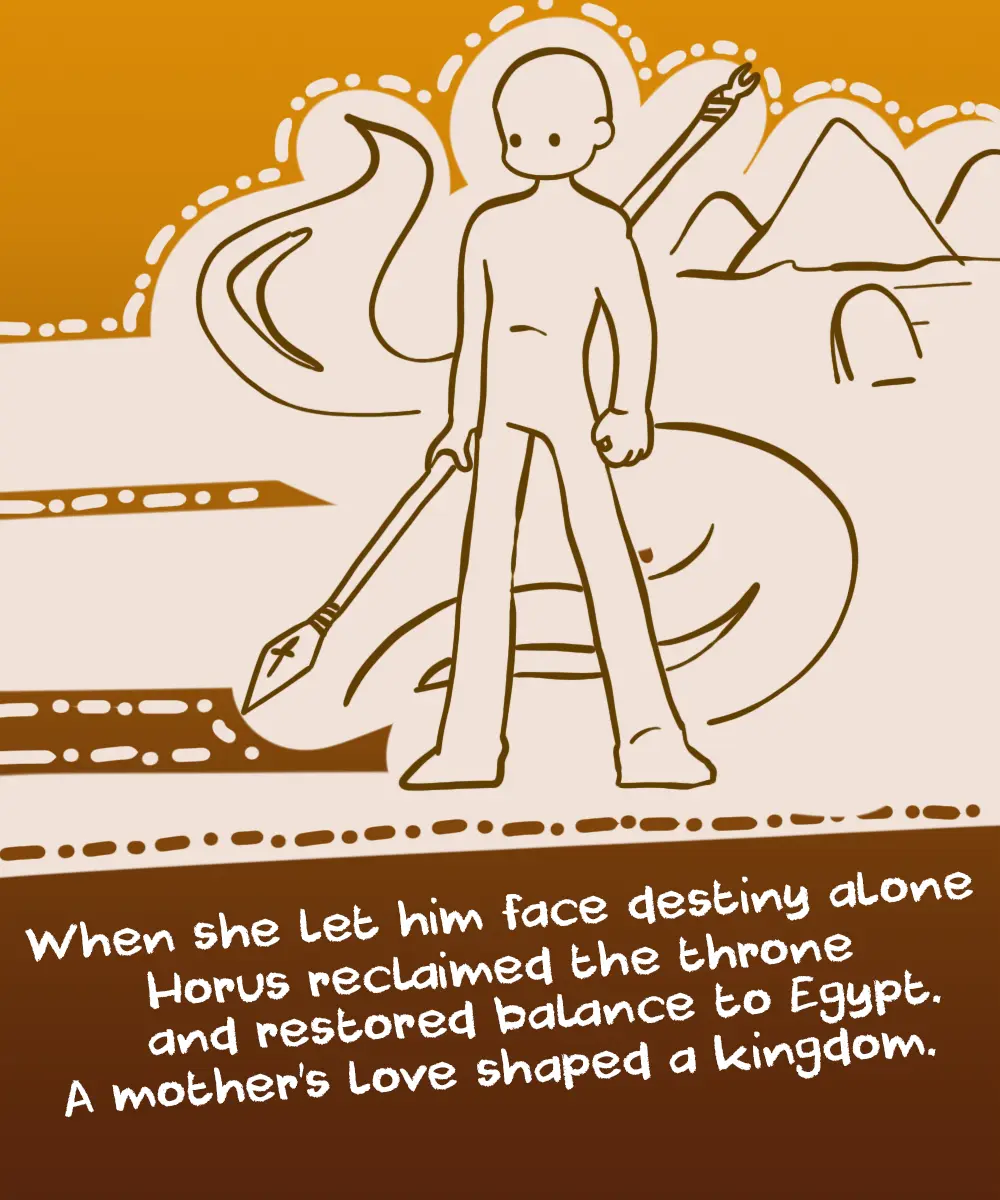
The temple is primarily dedicated to Isis, the goddess of healing and motherhood, and became a major center for worship. Ancient Egyptians believed this sacred site was where Isis protected her son Horus, hosting important rituals and celebrations of divine birth.

Over the centuries, Philae Temple has captivated travelers from all over the world, drawn by its rich archaeological treasures and the chance to experience ancient Egyptian civilization firsthand. Meticulously rebuilt block by block on Agilkia Island, it stands today as one of Egypt’s most atmospheric and photogenic temple complexes.
The Story of the Philae Temple
Many of the surviving structures date back to the Ptolemaic Period, including the impressive Great Temple built by Ptolemy II Philadelphus. The history of Philae Temple stretches as far back as the 4th century BC and spans multiple eras, including the Greek, Roman, and Byzantine periods. Each era has left distinctive artistic and religious marks on the temple walls, creating a unique layered narrative of Egypt’s past.
The Worship of Isis at Philae Temple, Egypt
This temple was dedicated to the goddess Isis, mother of Horus. Here, Isis was revered as a powerful protector, a symbol of motherhood, magic, and healing—beloved not only by the Egyptians but later by the Greeks and Romans as well.
Who is Isis?
Isis is an ancient Egyptian goddess who held several major roles, the most significant being the mother of Horus and the wife of Osiris. She is also worshipped as the goddess of magic and healing. She had an essential role in healing the sick and resurrecting the dead.
The story of Philae Temple Island: Isis and Osiris
The most famous story linked to Philae is the myth of Isis and Osiris. According to ancient belief, Osiris was killed by his jealous brother Seth (Set), and Isis searched for his scattered body parts across Egypt.
She believed that part of his body was near this island, so she built a tomb for him at Philae as a memorial to his soul. This story turned the island into a spiritual heartland of mourning, resurrection, and eternal love.
The Relocation of Philae Temple
After the construction of the Low Aswan Dam in 1902 and the High Aswan Dam in the 1960s, Philae Island was submerged every flood season. The rising waters partially drowned the temple, causing salt damage, erosion, and structural instability. Without intervention, the Philae Temple complex risked being lost forever beneath Lake Nasser.
UNESCO’s Role in Saving Philae Temple
As part of the UNESCO Nubia Campaign, the Temple of Isis was meticulously dismantled into thousands of blocks and relocated between 1977 and 1980 from its original site on Philae Island to Agilkia Island, just 500 meters away. This extraordinary project was undertaken to protect Nubian monuments from the rising waters caused by the Aswan High Dam, preserving them for future generations and safeguarding Egypt’s cultural heritage.
Timeline of Philae Temple Relocation Project
- 1902 – Construction of the Low Aswan Dam begins, flooding the island seasonally.
- 1960s – Aswan High Dam increases water levels, endangering the temple.
- 1972 – UNESCO initiates plans to save the temple.
- 1977–1980 – Temple dismantled, transported, and reassembled on Agilkia Island.
- 1980 – Official completion and reopening to visitors.
Historical Information about the Temple of Philae
Here are some key historical details about the Temple of Philae:
- The Philae Temple was once known in Greek and Latin as Pilak, and during the Islamic era, it was referred to as the Citadel or the Island of Anas Al-Wujud.
- Philae Island—situated in the middle of the Nile—was home to the original Temple of Philae and was considered one of Egypt’s most important defensive strongholds.
- Due to the flooding threat after the construction of the High Dam, the entire complex was relocated from Philae Island to Agilkia Island.
- The main reason for building Philae Temple in the 4th century BC was to honour the goddess Isis, revered by Greeks and Romans and considered one of the most powerful goddesses in Egypt.
- Among the Pharaonic remains on Philae Island was the palace of Nectanebo I. Nearby stood the Greco-Roman Temple of Ares and the Roman-era Temple of Mandulis.
- There are columns and structures from the Roman and Ptolemaic periods, including Trajan’s Kiosk, the Temple of Imhotep, and the Temple of Hathor.

Temples and Structures within the Temple of Philae
Philae Temple includes a rich collection of temples, chapels, and monumental gates that reflect centuries of religious activity. Among the most famous are the Gate of Ptolemy II, the Kiosk of Trajan, the Temple of Isis, the Temple of Hathor, the Temple of Horus, and the Chapel of Osiris, along with many other stunning scenes and reliefs.

Most of the structures at Philae date back to the Ptolemaic Period (332–30 BC). The centrepiece is the great temple built by Ptolemy II Philadelphus (285–246 BC) and dedicated to Isis, mother of Horus.
The Temple of Isis was one of the last functioning ancient Egyptian temples. It remained active until the Byzantine Emperor Justinian I (527–565 AD) ordered all pagan temples to be closed.

The final known hieroglyphic inscription in Egypt was carved here by a priest of Isis named Esmet-Akhom in 394 AD. Later, a Christian church was built inside the temple, and many earlier inscriptions were deliberately removed or defaced.

Hathor’s Temple in the Philae Complex
Nearby stands the Temple of Hathor, constructed by Ptolemy VI Philometor (180–145 BC) and expanded under the first Roman emperor Augustus (30 BC–14 AD). Although the roof of Trajan’s Kiosk (98–117 AD) has disappeared, the elegant structure remains, facing the Philae temple complex with its beautifully proportioned columns.

Travellers have long admired the island’s regular rows of columns and harmonious layout, describing it as an aesthetic delight. Reliefs show the emperor presenting offerings to Isis, her husband Osiris, and their son Horus—confirming Isis’s central role in worship at Philae.

Architecture and Layout of the Philae Temple
The Temple of Isis is the main sanctuary at Philae and one of the largest structures on the island. Inside the complex lies the Mamizi, or Birth House, where ancient Egyptian kings participated in ritual ceremonies to affirm their divine descent and legitimize their rule.
The Birth House and Sacred Spaces
The birth chamber was believed to be the place where Horus was born. Inside, Isis is often depicted nursing her son among the reeds—an image representing rebirth, protection, and divine motherhood. This structure played an essential role in Philae’s religious landscape.
Expansion on Agilkia Island
The modern layout of the Philae Temple on Agilkia Island is estimated to be about 25% larger than its original footprint. The expanded design accommodated the reconstructed monuments while maintaining the original orientation, alignment, and sacred geometry wherever possible.

Myths and Sacred Legends of Philae Temple
For thousands of years, Philae Island was considered one of the most mystical places in Egypt. Pilgrims traveled from across the country to honor Isis, believing the island carried divine energy tied to healing, rebirth, and protection. Several myths became deeply linked with the temple and its surrounding waters.
The Tears of Isis
Ancient Egyptians believed that when Isis wept for her husband Osiris, her tears caused the Nile to flood each year. This legend connected the island to the life-giving waters of the river, symbolizing renewal and hope for the land of Egypt.
The Secret Tomb of Osiris
One of the most enduring myths claimed that a part of Osiris’s body was buried on or near Philae Island. This belief turned Philae into a sacred site of mourning and spiritual pilgrimage, deeply tied to rituals of resurrection and eternal life.
Protective Magic of the Island
Many ancient travelers believed the island offered spiritual protection. They prayed to Isis for health, safe journeys, fertility, and healing from illness, attributing the temple’s peaceful aura to the goddess’s protective powers.
Why Is It Called Philae Temple?
The name “Philae” carries deep cultural and linguistic significance. In ancient Egyptian, the island was known as Pilak, meaning “the end” or “the far place,” because it marked Egypt’s southern frontier.
During the Greek Period—when the Greek language became widespread—the island took on the Hellenized name Philae, often interpreted as “beloved.” In Arabic tradition, thanks to its association with the legend of Anas Al-Wujud, the island also became known as Jazīrat Anas Al-Wujūd.
Over time, the Arabic-speaking population continued to refer to the sanctuary as the Temple of Philae, just as the Greeks had done before them. The name remained, preserving centuries of myth and memory in one word.
Quick Facts about the Philae Temple
Here are the most important facts about Philae Temple—covering its main deity, location, time period, and relocation story.
| Feature | Detail |
|---|---|
| Main Deity | Goddess Isis (mother of Horus) |
| Location (Today) | Agilkia Island, Aswan, Egypt |
| Original Location | Philae Island, in the middle of the Nile |
| Main Construction Period | Ptolemaic Period (3rd–1st century BC), with Roman additions |
| Key Builders | Ptolemy II Philadelphus, Ptolemy VI Philometor, Augustus, and later Roman emperors |
| Relocation | Moved to Agilkia Island during the UNESCO Nubia Campaign (c. 1960s–1970s) |
| Modern Highlight | Sound & Light Show Trip and scenic boat approach |
Temple of Philae Visitor Guide
To make your experience smoother, we advise you to plan your tour before going.
Here’s everything you need to know:
Ticket Prices
| Ticket Type | Price |
|---|---|
| Adults | 11 dollars. |
| Students | 5.5 dollars. |
| Panorama Ticket | 4 dollars. |
Opening Hours
The temple is open for visitors daily from 07:00 AM until 03:00 PM.
Best Time to Visit
The best time to visit the temple is from October to April, when the weather is pleasant and the sunlight is ideal for boat rides. Try to avoid the months from May to August, as they’re extremely hot.
How to Get to Philae Temple
The temple can only be reached by water, and you can rent a motorboat from a marina near the Aswan Low Dam.
It takes around 10 minutes to reach the island, and the ride offers sweeping views of the Philae façade rising gracefully from the water.
Boat prices are not fixed; we recommend agreeing on the fare in advance. If you prefer a hassle-free experience, secure a spot on our Aswan Day Trip.
Nile Boat Requirements & Safety
Here are some tips to ensure a safe cruise to Philae Temple:
- Wear a life jacket (if available).
- Avoid overcrowded boats.
- Try to share a boat to reduce costs, and agree on a price in advance.
- Keep your electronics protected inside a bag to avoid water splashes.
- Wear a hat and try to sit on the shaded side of the boat.
Visitor Tips: How to Visit Philae Temple Today
Visiting the Temple of Philae is a highlight of any trip to Aswan.
To make the most of your experience, plan ahead with these practical tips for tickets, boats, timing, and comfort.
1. Start Early and Plan Your Boat Ride
Philae Temple is reached by motorboat from the marina near the Aswan Low Dam.
Arriving early in the morning helps you avoid the hottest part of the day and peak crowds.
Always agree on the boat price in advance and, if possible, share the ride with other visitors to reduce the cost.
2. Dress Light, Respectfully, and Comfortably
Aswan is hot and sunny most of the year. Wear breathable clothing, comfortable walking shoes, and bring a hat, sunglasses, and sunscreen. Modest dress is appreciated — especially if you plan to combine your visit with other cultural sites in the city.
3. Bring Water and Small Cash
Stay hydrated by carrying a reusable water bottle and refilling it throughout the day.
Bringing small cash is helpful for snacks, tipping, or picking up souvenirs from local vendors.
4. Visit During Golden Hours for the Best Photos
The temple looks breathtaking during sunrise and sunset. The soft golden lighting enhances carvings and columns, making it the perfect time for photography — and the temperatures are far more comfortable.
5. Hire a Guide for a Better Experience
A licensed Egyptologist guide can transform your visit — explaining the myths of Isis and Osiris, the meaning behind the reliefs, and the relocation story of Philae. Otherwise, many of the temple’s details might be easy to overlook.
Travel Tip 🧭
For the most magical experience at Philae Temple, plan your visit early in the morning or close to sunset for softer light and fewer crowds.
For a full cultural day tour or two, combine your Philae tour with Aswan’s highlights — the High Dam, Felucca Ride Trip, Botanical Garden Nile Boat Trip, Unfinished Obelisk, Abu Simbel Temples, and even a relaxing visit to a Nubian village.
Conclusion: Why Philae Temple Is a Must-See in Aswan
The Temple of Philae is far more than a collection of ancient stones. It is a living story of devotion to Isis, a symbol of Egypt’s southern frontier, and a testament to international efforts to save heritage from the waters of the Nile. Its graceful colonnades, layered inscriptions, and myths of love and rebirth make it one of the most atmospheric temples in the country.
Whether you are fascinated by ancient religion, architecture, Nubian history, or simply the beauty of the Nile, a visit to Philae Temple is an experience you will never forget. Standing on its island, surrounded by water and history, you truly feel why this place has been beloved for thousands of years.
Let our expert team help you plan the perfect trip — whether it’s a one-day visit to Philae Temple, or a multi-day adventure across Egypt exploring the Giza Pyramids, the Grand Egyptian Museum, the ancient wonders of Luxor, or relaxing by the Red Sea in Hurghada or Sharm El Sheikh. Fully guided, comfortable, and completely hassle-free.
FAQs – Philae Temple in Aswan
Why was the Temple of Philae built?
The Temple of Philae was built mainly to honour the goddess Isis, who was revered as the mother of Horus
and a powerful protector. It became a major religious centre where rituals of divine birth, kingship, and resurrection
were celebrated.
Where is Philae Temple located today?
Today, Philae Temple stands on Agilkia Island near Aswan. It was relocated there from its original site
on Philae Island to protect it from flooding caused by the Aswan High Dam.
How do you get to Philae Temple?
Visitors reach Philae Temple by motorboat from the marina near the Aswan Low Dam.
The short ride across the Nile is part of the experience, offering beautiful views of the island
and the temple complex.
What makes the Temple of Isis at Philae special?
The Temple of Isis at Philae was one of the last active ancient Egyptian temples, and it preserves
the final known hieroglyphic inscription carved in 394 AD. It features reliefs of Isis, Osiris, and Horus,
as well as the Mamizi (Birth House), where the divine birth of Horus was celebrated.
Can you visit the Philae Temple sound and light show?
Yes, Philae Temple hosts a popular sound and light show in the evening that retells the myths of Isis and Osiris
with narration, music, and colorful lights.

Whitney
Fantastic goods from you