
Emergency Medical Evacuation Insurance for Egypt: Costs, Limits & Tips
Emergency medical evacuation insurance for Egypt is a type of travel insurance designed to help cover the cost and coordination of medical transfer when local care is not suitable for the situation. This may mean transfer to another medical facility within Egypt or, if medically necessary and approved by the insurer, to a suitable hospital abroad. Unlike travel medical insurance, this coverage focuses mainly on high-cost medical transportation and evacuation logistics, rather than routine treatment expenses.
This type of coverage becomes especially important in Egypt because of the nature of many travel routes. Nile cruises follow fixed schedules, desert and oasis journeys often take place far from major hospitals, and Red Sea activities such as diving or liveaboard trips may involve remote locations where specialized medical care is not immediately available.
In this guide, we explain when medical evacuation insurance may be needed, how the evacuation process usually works, what coverage limits to consider, the types of costs involved, and the most important special cases to review before traveling.
For a broader overview of coverage types and how evacuation fits into your overall trip protection, you can start with our Egypt travel insurance guide.
Key Takeaways
- Medical evacuation insurance can help cover transfer to a suitable medical facility when local care is not enough for the situation. This may involve transport within Egypt or, if medically necessary and approved by the insurer, to another country.
- The 24/7 assistance team is central to the evacuation process. They usually handle approvals, routing, and air or ground medical transport, so contacting them early can help reduce delays and claim issues.
- As a general guide, many travelers consider around $250,000 as a baseline evacuation limit, while remote routes, desert trips, Nile cruises, or Red Sea liveaboards may require higher limits of around $300,000–$500,000.
- Medical evacuation can be expensive because of air ambulances, medical escorts, ground transfers, and coordination fees. This makes coverage limits more important than choosing the cheapest policy.
- Keeping medical reports, itemized bills, assistance emails, transport notices, and case numbers organized in one clear timeline can make the claim process easier and reduce complications.
What “Medevac” Really Covers (and What It Doesn’t)
Medical evacuation, often called medevac, is more than a standard ambulance transfer. It usually involves medical coordination, pre-authorization, and arranging ground or air transportation when local medical care is not suitable for the situation — especially in remote areas or along fixed travel routes.
In Egypt, this type of coverage becomes particularly relevant during Nile cruises, desert routes, oasis trips, and Red Sea liveaboard journeys, where advanced medical facilities may be far from your location. For this reason, approval from the 24/7 assistance team is a critical step before any medical transport takes place.
If you’re reviewing evacuation coverage as part of your overall medical protection, it’s helpful to also understand how travel medical insurance works in Egypt and what it typically covers.
What medevac insurance for Egypt usually covers:
- Ground medical transportation or air ambulance transfer to a suitable medical facility.
- Medical escort and patient preparation when required.
- Pre-authorization and coordination through the 24/7 assistance team.
- Transfer to a suitable facility within Egypt or abroad, depending on the medical situation and insurer approval.
What it typically does not cover:
- Self-arranged transportation without prior approval from the assistance team.
- Non-medical transfers or convenience evacuations.
- Situations excluded under the policy, such as high-risk activities without the required coverage.
- Evacuation that is not considered medically necessary under the policy terms.
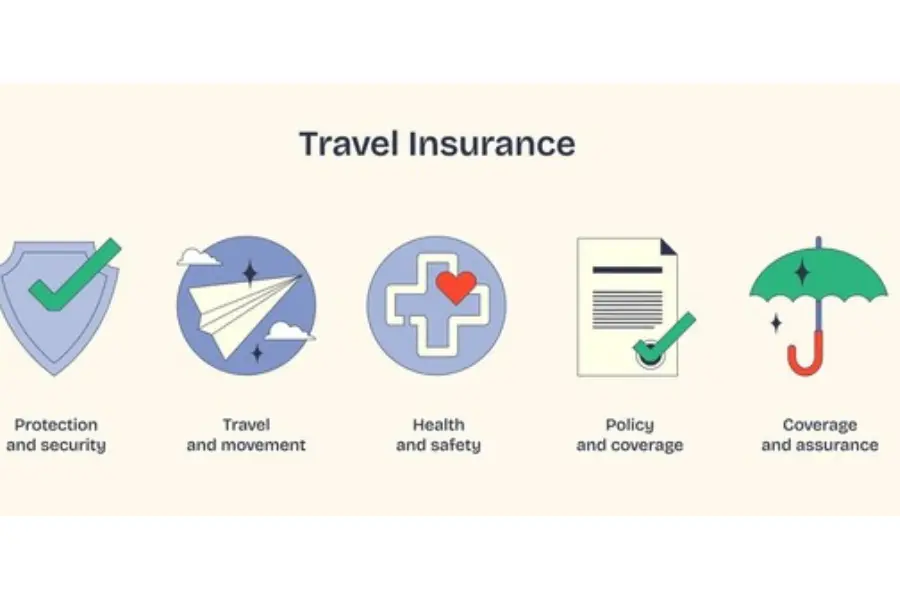
Travel insurance coverage
When You Actually Need Evacuation Cover
Medical evacuation insurance becomes especially important when you are traveling far from well-equipped hospitals or following fixed routes where delays can create serious complications. In Egypt, these situations are more common than many travelers expect, especially on multi-stop itineraries and remote travel experiences.
Trips that involve long distances, limited medical facilities, or strict schedules increase the importance of evacuation coverage. This is particularly relevant for senior travelers, travelers with chronic medical conditions, or anyone planning higher-risk activities.
Common situations where medical evacuation coverage matters most:
- Desert and oasis trips, such as safari camping, where access to advanced hospitals may be hours away.
- Red Sea liveaboards and remote diving locations, where reaching shore-based medical care can take time.
- Nile cruises with fixed schedules and domestic transportation links, where delays can disrupt the wider itinerary.
- Areas with limited specialized medical facilities, especially for cardiac, neurological, or trauma care.
In these scenarios, evacuation insurance can act as a practical safety net, helping coordinate transfer to appropriate medical care and reducing the logistical or financial pressure during a serious medical situation.
Recommended Limits & Simple Benchmarks
When choosing medical evacuation coverage, the focus should be on the possible cost of emergency transport — not just the price of the insurance policy. In Egypt, evacuation costs can rise quickly because of long travel distances, air ambulance use, medical escorts, and coordinated assistance, especially on remote routes or marine-based trips.
These simple benchmarks can help you compare coverage limits without overpaying:
- City-based trips: As a general guide, many travelers consider medical evacuation coverage of around $250,000, especially when the itinerary includes travel between major cities.
- Remote areas & liveaboards: For desert routes, Red Sea liveaboards, or remote diving locations, evacuation limits of around $300,000 to $500,000 may be more suitable, depending on the policy and trip details.
- Medical coverage: This should match your trip profile. Many travelers consider at least $50,000 for medical emergencies, while seniors or travelers with health considerations may prefer $100,000 or more.
- Deductible: A low or zero deductible can reduce out-of-pocket costs during emergencies if your budget allows.
Choosing realistic limits can help reduce financial pressure if a serious medical transfer becomes necessary, while still allowing the insurer and medical team to base decisions on the case, policy terms, and available care options.
Coverage limits often matter more than price. If you’re comparing plans and features side by side, our guide on the best travel insurance for Egypt can help you evaluate options more clearly.
How Assistance Works (So You Actually Get Moved)
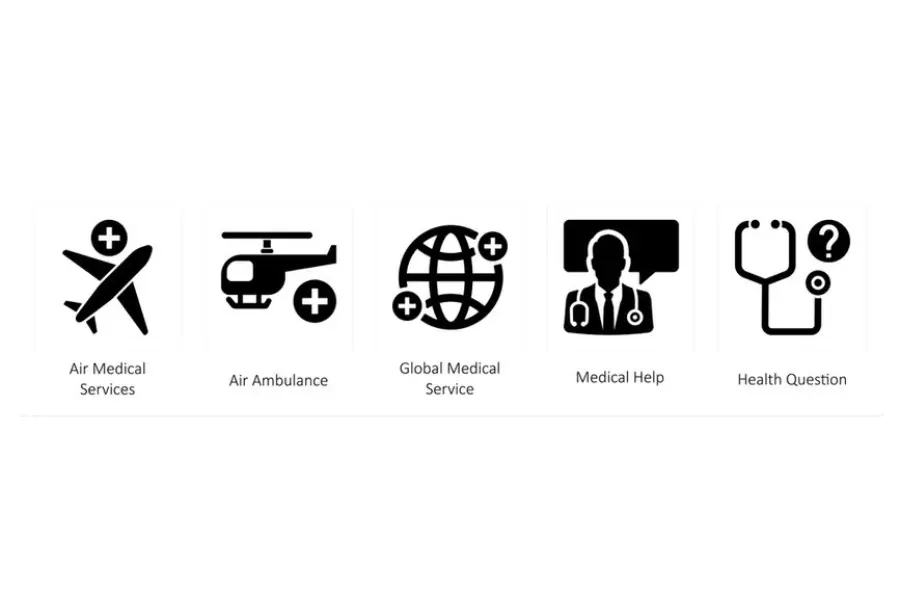
The 24/7 medical assistance team is the backbone of any medical evacuation process. Their role goes beyond answering emergency calls. They usually help with medical approvals, choosing a suitable receiving facility, coordinating ground transport or air ambulance services, arranging medical escorts when required, and communicating with hospitals, operators, or family members when needed.
In Egypt, where travel may involve Nile cruises, desert routes, or offshore activities, contacting the assistance team early is very important. Delays or arranging transport independently can complicate approvals, increase costs, or affect coverage and reimbursement. Following their instructions closely can help make the evacuation process smoother when it is medically necessary.
How the Process Typically Works
- Contact the assistance team immediately: Save the emergency number offline before traveling, especially for cruises, desert routes, or remote areas.
- Share key information: Provide your exact location, policy number, doctor’s notes if available, medical condition details, and emergency contact information.
- Get pre-authorization before major transfers: Approval is usually required before air ambulance services or long-distance medical transport are arranged.
- Follow the assigned routing: The assistance team will usually direct you to a suitable receiving facility based on your condition, location, policy terms, and available medical care.
- Keep records organized: Save medical reports, receipts, approval messages, case numbers, and notes with dates, names, and locations to support any claim later.
What It Usually Costs (and Why Limits Matter)
The cost of medical evacuation can rise quickly depending on distance, transport type, and the level of medical support required. In Egypt, this becomes especially relevant during Nile cruises, desert routes, or Red Sea liveaboard trips, where reaching a fully equipped hospital may involve long ground transfers or air ambulance services.
Evacuation by air ambulance, combined with medical staff, approvals, coordination, and ground transport at both ends, may reach very high costs. For this reason, the coverage limit matters more than the policy’s price. A cheaper policy with low evacuation limits may not provide enough support when evacuation is actually needed.
Main cost drivers include:
- Distance & aircraft type: Short ground transfers cost less than long-distance air ambulance services.
- Medical escort & equipment: The level of care required during transport can affect the total cost.
- Airport, landing & coordination fees: These costs are often overlooked but can be significant.
- Ground transportation at both ends: This may include transport from the incident location to the aircraft, and from landing to the receiving hospital.
Documents That Make Claims Easy
To avoid delays or claim problems, organization is just as important as coverage. From the first moment an incident happens, keep all related documents in one place. Medical reports, prescriptions, itemized invoices, and any communication with the assistance team can all support the claim process.
Keeping everything organized, along with recording dates, names, case numbers, and reference numbers, can help reduce follow-up requests from the insurer and make the review process easier.
Documents you should keep:
- Medical reports, diagnoses, and prescriptions.
- Invoices and itemized receipts for treatment or transport.
- Approval emails or messages from the 24/7 assistance team.
- Notifications of flight, cruise, or itinerary delays or changes.
- A simple timeline of events, including what happened, when, and where.
Special Cases: Desert Routes, Cruises & Red Sea Liveaboards
Certain types of trips in Egypt require extra care when choosing medical evacuation coverage — especially desert routes, Nile cruises, and liveaboard trips in the Red Sea. Long distances, limited mobile coverage, and fixed schedules can make evacuation logistics more complex, which is why early coordination with the assistance provider is especially important in these situations.
Desert & Oasis Trips
- Share your full itinerary and expected meeting points with the assistance team or your travel organizer in advance.
- Mobile signal may be weak or unavailable, and distances to hospitals can be long.
- Group logistics, vehicle access, and meeting points can matter during evacuation planning.
Nile Cruises & Red Sea Liveaboards
- Evacuation may involve several steps, such as boat-to-shore transfer, ground transport, and then air or hospital transfer.
- If you miss a port, cruise segment, or scheduled connection, check whether trip interruption coverage applies under your wider travel insurance policy.
- Confirm how evacuation works while the vessel is in transit, not only when it is docked.
Diving & Water Activities
- Review exclusions for high-risk activities such as technical diving, solo diving, or uncertified dives.
- Check depth limits, certification requirements, and whether liveaboard diving is covered.
- Ask whether the policy requires supervised diving or approved operators for coverage to apply.
Documents to Keep on Hand
- Operator letters, trip logs, and cruise or liveaboard schedules.
- Any official notifications of port changes or itinerary adjustments.
- Medical reports and assistance communications related to the incident.

Snorkeling in Hurghada
Buying Late? A Quick Reality Check
Buying travel insurance late usually means you are covered only for new events that happen after the purchase date, while some time-sensitive benefits — such as trip cancellation benefits or pre-existing condition waivers — may no longer apply.
That said, medical-only insurance and medical evacuation coverage may still be useful during your trip, even if you missed interruption or cancellation benefits. These coverages can still help with eligible medical emergencies and evacuation needs while traveling in Egypt, depending on the policy terms.
Ideally, insurance should be purchased soon after booking your trip or paying your first deposit, and all related documents should be kept accessible throughout the trip.
Many travelers wonder whether travel insurance is actually required for Egypt. For a clear, practical answer based on real trip scenarios, see our guide on do you need travel insurance for Egypt.
Quick tips:
- Check the date of your first trip payment against any policy time windows.
- Keep proof of coverage from the purchase date onward.
- Save emergency hotline numbers offline in case of limited connectivity.
As you plan your route through Egypt — from Nile cruises to Red Sea experiences — it helps to understand how different itineraries are structured, how much travel is involved, and which activities may affect your evacuation coverage needs.
Exploring ready-made Egypt tour packages and Nile cruise itineraries can give you a clearer picture of travel flow, schedules, and remote routes before comparing medical evacuation coverage with your chosen insurance provider.
Conclusion
Medical evacuation insurance isn’t about expecting the worst — it’s about traveling in Egypt with better preparation and more confidence. From Nile cruises and desert routes to Red Sea activities, Egypt’s diverse landscapes and itineraries make evacuation planning an important part of choosing suitable travel coverage.
By understanding how medical evacuation works, choosing realistic coverage limits, and knowing when to contact the assistance team, you can reduce unnecessary stress and unexpected costs if a serious medical situation happens during your trip.
With suitable coverage in place, you can focus more on enjoying Egypt’s history, scenery, and experiences, while knowing that medical transport support may be available if it becomes necessary under your policy terms.
FAQs
Does evacuation mean I’ll be flown back to my home country?
Not always. Medical evacuation usually means transfer to the nearest suitable medical facility. Returning home depends on medical necessity, insurer approval, and the exact policy wording.
What evacuation limit should I choose for Egypt?
As a general guide, many travelers consider around $250,000 for medical evacuation. For remote areas, desert trips, Nile cruises, or Red Sea liveaboards, higher limits around $300,000–$500,000 may be more suitable.
Who decides where I will be evacuated to?
The 24/7 assistance team usually coordinates this decision based on your medical condition, location, available medical facilities, insurer approval, and the policy terms.
Can I arrange my own evacuation and claim the cost later?
In most cases, no. Medical evacuation usually requires pre-authorization, so you should contact the assistance team before arranging any major medical transport.
Are desert or oasis rescues covered?
Coverage depends on the policy terms, distance, transport method, medical necessity, and whether the route or activity is covered. Always review the wording carefully before traveling to remote areas.
Are diving-related accidents covered under evacuation insurance?
They may be covered if you have the correct rider and follow the policy’s depth, certification, and supervision rules. Technical, solo, deep, or uncertified diving is commonly excluded.
What documents help support evacuation claims?
Medical reports, itemized invoices, assistance approvals, transport notices, case numbers, and any delay or itinerary change documents can help support the claim process.