Siwa Oasis Egypt: Complete Guide for First-Time Visitors
Imagine a place where endless palm groves emerge from the desert, salt lakes shine under the sun, and ancient traditions still shape daily life. Siwa Oasis is one of Egypt’s most unique destinations, offering a completely different side of the country far from the crowds of Cairo and the temples of Luxor.
From floating in salt lakes and exploring ancient ruins to experiencing authentic Amazigh culture, there are countless things to do in Siwa Oasis that make every visit memorable. Here, history stretches back thousands of years, while the surrounding desert creates a sense of isolation and tranquility that is increasingly rare to find.
This guide covers everything you need to plan your Siwa Oasis trip, including its history, top attractions, salt lakes, food, accommodation, and practical travel tips.
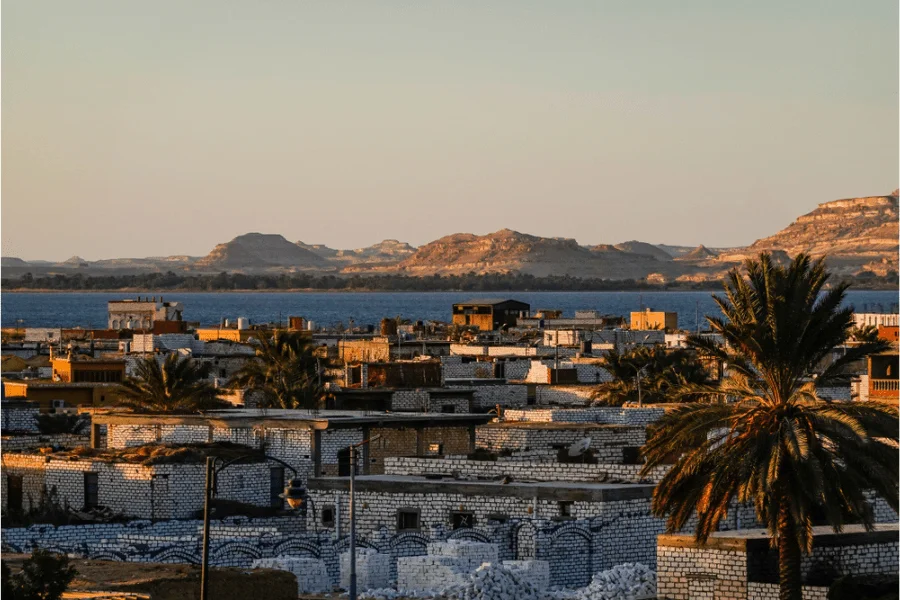
Siwa Oasis Landscape
Why Visit Siwa Oasis Egypt?
If you’re wondering why many travelers choose to visit Siwa Oasis instead of Egypt’s more traditional destinations, the answer lies in the unique character of the place. Unlike Cairo, Luxor, or Aswan, Siwa offers a completely different experience that combines the calm of the desert, authentic Amazigh culture, and natural landscapes that remain largely untouched.
Things to do in Siwa Oasis range from floating in salt lakes and relaxing in natural springs to exploring historical sites connected to the Temple of Amun and Alexander the Great. Visitors can also enjoy safari trips across the vast sand dunes of the Great Sand Sea. This variety makes Siwa a destination that combines relaxation, adventure, nature, and history.
The oasis also has a cultural identity unlike anywhere else in Egypt. The Siwi language and Amazigh traditions remain an important part of daily life, giving visitors the chance to experience a side of Egypt that feels more authentic and less commercial than many popular destinations.
With its peaceful atmosphere, salt lakes, natural springs, ancient landmarks, and surrounding desert, Siwa offers a travel experience that is difficult to compare with any other destination in Egypt.
Siwa Oasis Egypt — A Brief History
The history of Siwa Oasis shows that this remote settlement has always been more than just a desert community. Over the centuries, it became an important center of religion, political influence, and cultural identity.
Ancient Era
In ancient times, Siwa was an important religious center with roots dating back to the Pharaonic period. The Temple of Amun became a major pilgrimage site visited by travelers and rulers from across the ancient world. Its famous oracle was consulted by those seeking divine guidance and answers about the future.
Alexander the Great — 331 BC
One of the most famous moments in Siwa’s history occurred when Alexander the Great crossed the Western Desert to consult the Oracle of Amun in 331 BC. Later historical accounts connected the visit with his recognition as a son of the god Amun, although the exact details of what happened inside the temple remain uncertain.
The visit strengthened Siwa’s reputation throughout the ancient world and remains one of the most important events associated with the oasis.
Modern Era
For centuries, Siwa remained relatively isolated from the rest of Egypt because of its remote desert location. This isolation played an important role in preserving its distinctive Amazigh culture, Siwi language, local traditions, and architectural style, which are still visible in daily life today.
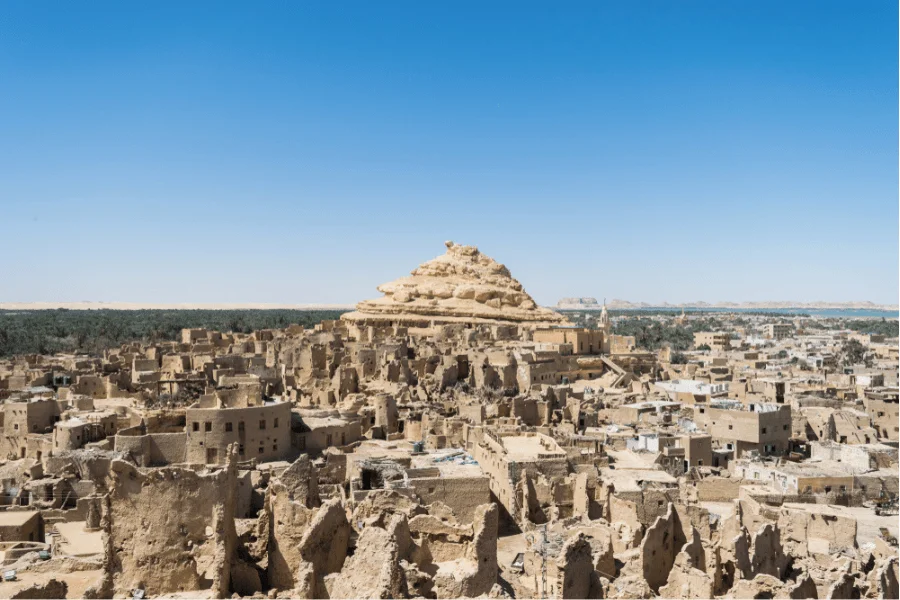
Private Tour of Siwa
How to Get to Siwa Oasis from Cairo
Traveling from Cairo to Siwa Oasis is part of the adventure itself. The oasis is located deep in Egypt’s Western Desert, approximately 740 kilometers from Cairo by road. Depending on your chosen transportation and the number of stops, the journey usually takes between 9 and 12 hours.
There are several ways to reach Siwa, depending on your budget, schedule, and preferred level of comfort.
| Route | Approximate Duration | Best For | Tip |
|---|---|---|---|
Private car from Cairo | 9–11 hours | Flexibility and comfort | Leave early in the morning |
Overnight bus from Cairo | 9–12 hours | Budget travelers | Check the latest schedule and book in advance |
Fly to Marsa Matrouh + drive | 3 hours drive | Time-savers | Best combo option |
A private transfer is generally the most comfortable option, especially for families or travelers carrying luggage. It also allows you to stop along the way when needed. Overnight buses are a more affordable alternative, although schedules and journey times may change.
Traveling through Marsa Matrouh can be useful if you plan to visit the Mediterranean coast before continuing to Siwa. Direct flights between Cairo and Marsa Matrouh are limited and may not operate regularly, so they should not be relied upon without checking availability for your travel dates.
If you are driving privately, it is best to travel during daylight hours and carry enough water and light snacks for the journey. Mobile phone and internet coverage may be weak along parts of the desert route, so download an offline map before leaving Cairo.
Use the Siwa Oasis map below to plan your route and locate the main attractions you would like to visit.
Best Time to Visit Siwa Oasis — Month by Month Guide
The best time to visit Siwa Oasis largely depends on the weather and the activities you plan to enjoy. In general, the period from October to April offers the most comfortable temperatures for exploring the oasis’s natural and historical attractions.
| Season | Months | Highlights |
|---|---|---|
Autumn | October–November | Date harvest and pleasant sightseeing weather |
Winter | December–February | Hot springs, mild days, and cool nights |
Spring | March–April | Desert safaris, salt lakes, and outdoor activities |
Summer | May–September | Very hot daytime temperatures |
Autumn and spring offer some of the most pleasant weather of the year, with comfortable conditions for outdoor activities such as desert safaris, visiting historical sites, and exploring the salt lakes.
Winter is also a good time to visit, especially for enjoying the hot springs and the oasis’s peaceful atmosphere. However, desert nights can become surprisingly cool, so it is important to bring a warm layer.
From May to September, daytime temperatures rise considerably, making long periods of sightseeing and desert activities less comfortable. Visitors traveling during these months should plan outdoor activities for the early morning or late afternoon and avoid the strongest midday heat.
Monthly Temperature Guide
| Month | Average High | Average Low | Recommendations |
|---|---|---|---|
October | 30°C / 86°F | 17°C / 63°F | Ideal |
November | 22°C / 72°F | 10°C / 50°F | Ideal |
December | 18°C / 64°F | 7°C / 45°F | Good |
January | 16°C / 61°F | 5°C / 41°F | Good |
February | 18°C / 64°F | 6°C / 43°F | Good |
March | 22°C / 72°F | 9°C / 48°F | Ideal |
April | 28°C / 82°F | 13°C / 55°F | Ideal |
May | 33°C / 91°F | 17°C / 63°F | Getting hot |
June to August | Avg. 37°C / 98°F | Avg. 22°C / 72°F | Very hot |
September | 35°C / 95°F | 21°C / 69°F | Hot |
For most first-time visitors, the best time to visit Siwa Oasis is from October to April, with October, November, March, and April offering particularly pleasant conditions for sightseeing and desert activities.
Top Things to Do in Siwa Oasis
Siwa Oasis is more than just a desert destination. It combines ancient history, natural springs, salt lakes, local culture, and outdoor adventures, offering experiences that feel completely different from those found elsewhere in Egypt.
Historical and Cultural Experiences
Temple of the Oracle of Amun
The Temple of the Oracle of Amun is one of the most important historical landmarks in Siwa. Alexander the Great crossed the Western Desert to consult the oracle here in 331 BC, although the exact details of what happened inside the temple remain uncertain.
Today, visitors can explore the temple ruins and enjoy panoramic views over the oasis, palm groves, and surrounding desert.
Shali Fortress
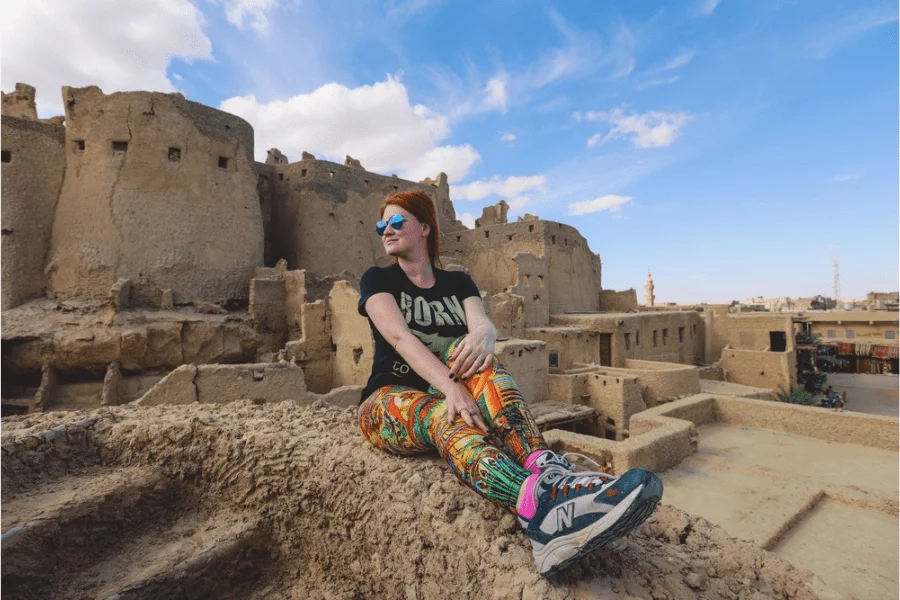
Shali Fortress was built in the 13th century using kershef, a traditional mixture of salt, mud, and clay. The old citadel reflects Siwa’s distinctive architectural style and offers a glimpse into how the local community lived for centuries.
Although much of the fortress was damaged by heavy rainfall in 1926, its narrow passageways and remaining structures can still be explored. From the top, visitors can enjoy wide views across Siwa, especially around sunset.
Mountain of the Dead
The Mountain of the Dead, also known as Gebel Al-Mawta, is an ancient burial site containing rock-cut tombs dating mainly from the Ptolemaic and Roman periods.
Several tombs preserve paintings, carvings, and inscriptions connected to ancient beliefs and daily life. The site provides an interesting look into Siwa’s history beyond the more famous Temple of the Oracle.
Nature & Wellness Experiences
Siwa Salt Lakes and Pools
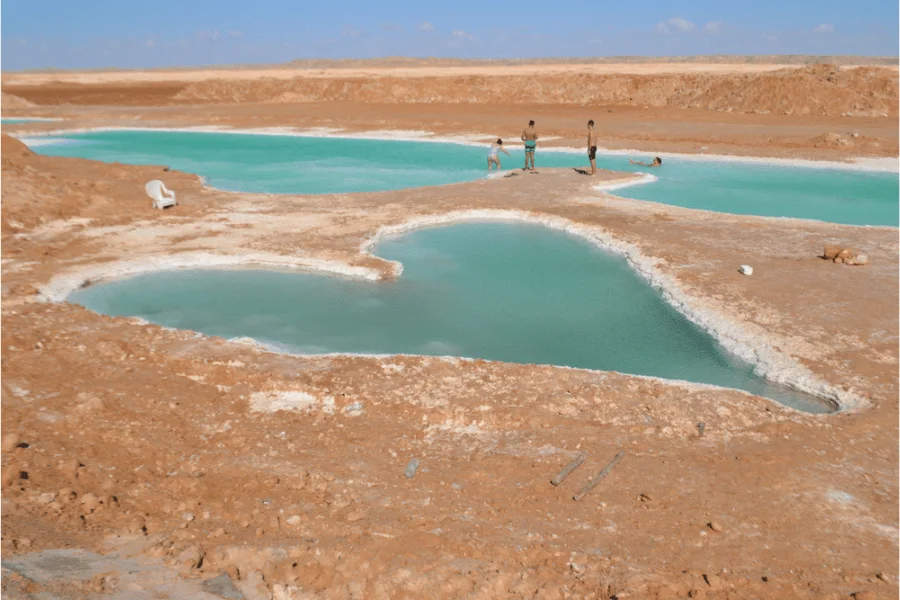
Floating in Siwa’s highly saline lakes and turquoise salt pools is one of the oasis’s most memorable experiences. The high salt concentration allows visitors to float easily with little effort.
Bring fresh water to rinse your skin after leaving the water, and avoid entering the pools if you have fresh cuts or irritated skin. More practical details are included in the dedicated salt lake section below.
Cleopatra’s Bath
Cleopatra’s Bath is a natural spring surrounded by palm trees, cafés, and peaceful oasis scenery. Despite its famous name, the connection with Queen Cleopatra is based on local tradition rather than confirmed historical evidence.
The spring’s warm water makes it a popular place for a short swim or a relaxing break while exploring the oasis.
Bir Wahed Hot Spring
Bir Wahed is located among the dunes near the Great Sand Sea and is normally visited as part of a guided desert safari.
The warm spring provides a relaxing contrast to the surrounding desert landscape, particularly during the cooler months. Because of its remote location, visitors should travel there only with an experienced local guide and a suitable 4WD vehicle.
Adventure & Outdoor Experiences
Great Sand Sea Safari
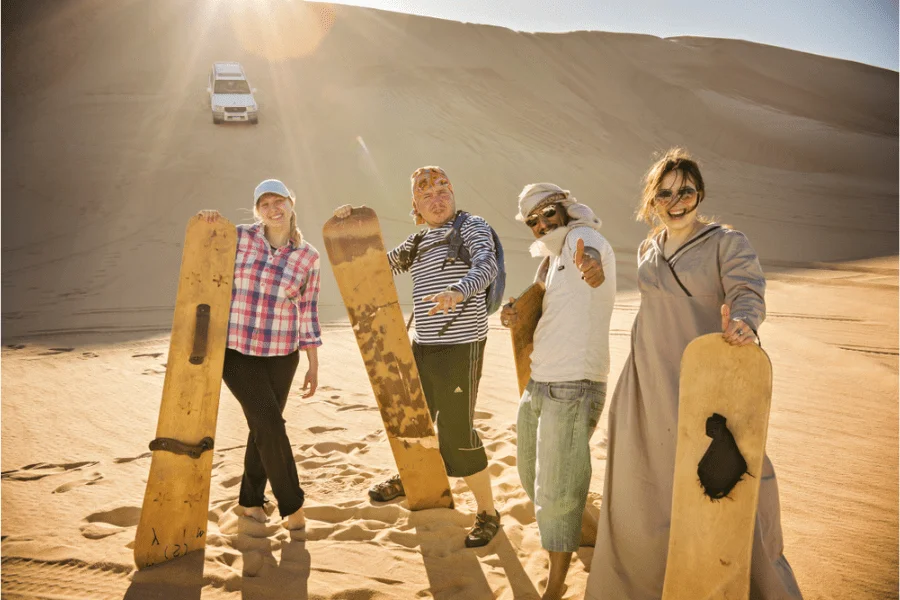
A Great Sand Sea safari takes visitors across the vast dunes of Egypt’s Western Desert in a 4WD vehicle. Depending on the tour, the experience may include dune driving, sandboarding, natural springs, and stops at scenic desert viewpoints.
Some trips also include sunset experiences or overnight camping under the stars. Always book the safari with a licensed and experienced local guide.
Stargazing and Desert Camping
The desert surrounding Siwa has very low light pollution, creating excellent conditions for stargazing on clear, moonless nights.
Camping in the desert allows visitors to experience the silence of the Western Desert and observe a much clearer night sky than is usually visible from Egypt’s major cities.
Sunset at Fatnas Island
Fatnas Island is a peaceful spot surrounded by palm trees and views across the water. Visitors often enjoy Siwan tea at one of the small cafés while watching the sun set over the oasis.
For the best experience, arrive approximately 45–60 minutes before sunset so you can enjoy both the golden light and the changing colors after the sun goes down.
Best Photography Spots in Siwa
Siwa offers a variety of photography locations, from ancient kershef architecture to turquoise salt pools and vast desert dunes.
- Shali Fortress: Visit during the final hour before sunset for warm light and panoramic views.
- Salt lakes and pools: Early morning often provides calmer water and clearer reflections.
- Great Sand Sea: Sunrise and sunset create stronger shadows and more visible texture across the dunes.
- Temple of the Oracle: Wide-angle photographs work well for capturing the ruins and surrounding oasis.
- Fatnas Island: Arrive before sunset to photograph the golden hour and the softer colors that follow.
Things to Do in Siwa Oasis
Siwa Oasis Egypt Salt Lake — The Floating Experience Explained
The Siwa Oasis salt lakes and turquoise pools offer one of the most distinctive natural experiences in Egypt. Their high salt concentration allows visitors to float easily on the surface with very little effort.
What is the Siwa Salt Lake?
Siwa is home to several large saline lakes, including Lake Siwa, Zeitoun Lake, Aghormy Lake, and Maraqi Lake. The oasis also contains smaller turquoise salt pools, many of which are found around salt-extraction areas.
These smaller pools have become especially popular with visitors because of their clear blue water and extremely high salt concentration. Although they are often collectively called the “Siwa Salt Lakes,” they should not all be confused with Birket Siwa or Lake Siwa itself.
The Floating Experience
Once you enter the water, the high salt concentration naturally supports your body, allowing you to float without needing to swim. The experience is often compared to floating in the Dead Sea, but here it takes place among the palm groves and desert landscapes of Siwa.
The water can sting fresh cuts or irritated skin, so enter slowly and avoid splashing it into your eyes. Most visitors spend only a short time in each pool before rinsing their skin with fresh water.
Practical Tips
- Avoid shaving or hair removal for at least 24 hours before entering the salt pools, as the water may irritate sensitive skin.
- Bring enough fresh water to rinse your skin immediately afterward.
- Avoid entering if you have open cuts, fresh wounds, or severe skin irritation.
- Wear an older swimsuit, as the concentrated salt may affect some fabrics.
- Do not dive or put your face beneath the water.
- Visit during the morning or late afternoon to avoid the strongest heat.
- Use a local guide or driver, as the locations and conditions of the accessible pools may change.
A Natural Wellness Experience
Many visitors find floating in the highly saline water relaxing, particularly after a long day of sightseeing or desert activities. However, claims that the salt lakes treat skin conditions, joint pain, or other medical problems should not be considered scientifically proven.
The experience is best enjoyed as a memorable natural and wellness activity rather than as a medical treatment.
Siwa Salt Lakes and Pools Compared
| Lake | Distance From Town | Vibe | Best For |
|---|---|---|---|
Birket Siwa | 10 minutes | Most accessible | First-time visitors |
Zeitoun Lake | 15 minutes | Quieter | Solitude seekers |
Fantasy Lake | 20 minutes | Most Scenic | Charm seekers |
Hot Springs & Salt Lakes
Siwa Oasis 3-Day Itinerary
Planning your Siwa Oasis itinerary does not have to be complicated. This 3-day Siwa trip combines history, nature, local culture, and desert adventure, allowing first-time visitors to experience the highlights of the oasis within a relatively short stay.
Day 1 — Arrive & Explore the Old Town
Morning:
Arrive in Siwa, check in to your hotel, and take some time to explore the local market in Siwa town. It is a good place to discover local products such as olive oil, dates, handmade baskets, and traditional silver jewelry.
Afternoon:
Visit Shali Fortress, the historic kershef citadel that overlooked and protected the oasis for centuries. Walk through its narrow passageways before heading to one of its higher viewpoints.
Sunset:
Stay at Shali Fortress for sunset, when the warm light highlights the texture of its old walls and creates panoramic views across the town and surrounding palm groves.
Evening:
Enjoy a traditional Siwan dinner featuring local bread, olive oil, dates, and slow-cooked meat prepared using local cooking methods. It is a relaxing introduction to the food and culture of the oasis.
Day 2 — History, Salt & the Ancient Oracle
Morning:
Start the day at the Temple of the Oracle of Amun, one of the most important historical sites in Siwa. Alexander the Great traveled to the temple in 331 BC to consult its famous oracle.
Afterward, continue to the Mountain of the Dead, where several rock-cut tombs preserve paintings and inscriptions dating mainly from the Ptolemaic and Roman periods.
Afternoon:
Visit the turquoise salt pools and experience floating effortlessly in their highly saline water. Bring fresh water to rinse your skin afterward, and avoid entering if you have open cuts or irritated skin.
Late Afternoon:
Continue to Cleopatra’s Bath for a short swim or a relaxing break beside the natural spring. Despite its famous name, its connection with Queen Cleopatra is based on local tradition rather than confirmed historical evidence.
Evening:
Return to Siwa town for dinner and a quiet evening at your hotel or eco-lodge.
Day 3 — Into the Desert
Morning and Afternoon:
Explore the Great Sand Sea on a guided desert safari. A suitable 4WD vehicle and an experienced local guide are essential for safely navigating the surrounding dunes.
Depending on your chosen tour, the experience may include dune driving, sandboarding, natural springs, scenic desert viewpoints, and a traditional lunch or tea stop.
Sunset:
End the safari near Bir Wahed Hot Spring or another suitable desert viewpoint. The contrast between the warm spring, surrounding dunes, and changing colors of the sky creates one of the most memorable experiences in Siwa.
Evening:
Return to Siwa town and spend your final night at your accommodation. Because the drive to Cairo is long, it is better to begin the return journey early the following morning rather than traveling immediately after the desert safari.
Need more time? A 5-day Siwa Oasis itinerary allows you to travel at a slower pace, visit smaller villages and less crowded attractions, and include an overnight desert camping experience.
Egypt Tours Group offers fully private Siwa tours with flexible itineraries and no shared groups. Popular combinations include:
- 8 Days Cairo, Alexandria & Siwa Oasis Tour — From $860.
- 12 Days Cairo, Hurghada, Nile Cruise & Siwa Tour — From $1,525.
- 16 Days Egypt Tour with Siwa, Abu Simbel & Nile Cruise — From $1,930.
Prefer to design your own route? Build a custom Siwa itinerary around your travel dates, preferred destinations, and interests.
Is Siwa Oasis Safe for Tourists?
Safety is an important consideration for many travelers planning a trip to Siwa Oasis. Siwa is generally a calm destination with a welcoming local community, and tourists regularly visit its town, historical sites, salt lakes, and surrounding desert.
However, Siwa’s remote location means travelers should plan their journey carefully. Use established routes, arrange desert activities with experienced local guides, and check the latest travel advice issued by your government before departure.
Solo Female Travelers
Siwa can be visited by solo female travelers, particularly when accommodation and transportation are arranged in advance. As the oasis is a conservative community, wearing modest clothing that covers the shoulders and knees is recommended as a sign of respect for local customs.
The usual travel precautions also apply. Avoid walking alone in quiet areas late at night, keep valuables secure, and choose reputable hotels, eco-lodges, drivers, and tour operators.
Solo Travelers
Traveling alone in Siwa can be both manageable and rewarding. Visitors can independently explore Siwa town, Shali Fortress, local markets, and some nearby attractions.
However, remote desert areas and the Great Sand Sea should only be explored with an experienced local guide and a suitable 4WD vehicle. A private or small guided desert tour provides safer transportation and helps visitors navigate areas where phone coverage may be limited.
Practical Safety Tips
- Travel on established routes and avoid driving through remote desert areas without local guidance.
- Arrange Great Sand Sea safaris and other desert activities through a reputable, licensed operator.
- Share your itinerary and accommodation details with a family member or friend.
- Keep secure digital and paper copies of your passport and travel documents.
- Carry enough water, particularly during road journeys and desert excursions.
- Download offline maps, as mobile phone and internet coverage may be limited outside Siwa town.
- Avoid areas close to international borders and follow instructions from local authorities.
- Check current travel advice and ensure your travel insurance covers the activities included in your trip.
Siwa Oasis Culture, Food & Local Life
Beyond its natural beauty and historical landmarks, Siwa gives visitors the opportunity to experience a way of life that feels different from the rest of Egypt. Visiting the oasis is not only about sightseeing but also about discovering traditions, architecture, crafts, and customs that have developed over centuries.
Culture & Heritage
Many Siwans have Amazigh roots and continue to speak Siwi, a local Amazigh language that is distinct from Arabic. Arabic is also widely spoken, particularly when communicating with visitors.
Traditional Siwan architecture is closely connected to the oasis’s desert environment. Historic buildings were constructed using kershef, a local building material made primarily from salt-rich earth and mud, with palm wood traditionally used for roofs and structural support.
These thick natural walls help protect interiors from the intense heat during the day while retaining warmth during cooler desert nights. Shali Fortress remains the most famous example of this traditional architectural style.
Handicrafts are also an important part of Siwa’s cultural identity. Visitors can find woven baskets, embroidered fabrics, carpets, pottery, and traditional silver jewelry decorated with patterns inspired by local heritage.
Visitors should remember that Siwa is a conservative community. Asking permission before photographing local people and dressing respectfully in public areas are simple ways to show consideration for local customs.
What to Eat in Siwa — Siwa Oasis Egypt Food Guide
Food in Siwa reflects the oasis’s agricultural traditions and the ingredients produced locally. Dates, olives, olive oil, herbs, bread, and slow-cooked meat are among the foods visitors are most likely to encounter.
Siwan Olive Oil
Olive cultivation has long been an important part of life in the oasis. Locally produced olive oil is used in many meals and is also one of the most popular products visitors take home from Siwa.
Fresh Dates
Siwa is well known for its date palms and produces several varieties of dates. They may be served fresh or dried, eaten with bread or cheese, or offered to guests as a simple local snack.
Abu Mardam
Abu Mardam is a traditional desert cooking method in which seasoned meat, often served with rice or vegetables, is slowly cooked beneath the ground using hot coals.
This method gives the meat a tender texture and distinctive flavor. It is commonly included in desert safari dinners and is one of the most memorable food experiences visitors can enjoy around Siwa.
Traditional Bread and Local Meals
Fresh local bread is commonly served with olive oil, dates, cheese, vegetables, and other simple dishes. Some restaurants and eco-lodges also serve slow-cooked lamb, chicken, rice, and seasonal ingredients prepared in a local style.
Siwan Herbal Tea
Herbal tea is often served in cafés, camps, and local accommodations as part of Siwan hospitality. The ingredients may vary, but the experience of sharing tea is an enjoyable part of spending time in the oasis.
Dress Code Tip
Siwa is more conservative than Egypt’s major tourist cities. Visitors are encouraged to wear modest clothing in public areas, particularly in the town and local villages.
Clothing that covers the shoulders and knees is generally appropriate. Swimwear is best reserved for hotel pools, springs, and salt lakes rather than streets or public markets.
Where to Stay in Siwa Oasis Egypt
If you’re searching for the best places to stay in Siwa Oasis, you’ll find accommodation options suitable for different budgets and travel styles. These range from simple guesthouses with a welcoming local atmosphere to comfortable hotels and distinctive eco-lodges inspired by Siwa’s traditional architecture.
| Category | Accommodation Options | Describtion |
|---|---|---|
Budget-Friendly Guesthouses | Sleep in Siwa, Cafour House | Simple and welcoming accommodation suitable for travelers who value a relaxed atmosphere, local hospitality, and affordability over luxury facilities. |
Comfortable Hotels | Nainshal Siwa, Azad Siwa Hotel | Comfortable options offering a balance between modern facilities, convenient locations, and Siwan character. |
Heritage and Eco-Lodges | Adrère Amellal, Albabenshal Heritage Lodge | Distinctive stays focused on traditional architecture, atmosphere, sustainability, and a deeper connection with Siwa’s heritage. |
One of the most distinctive aspects of accommodation in Siwa is its traditional architecture. Several guesthouses and eco-lodges use kershef, a local building material made from salt-rich earth and mud that has been used in Siwa for centuries.
Its thick walls help keep interiors cooler during hot desert days and retain warmth during colder nights. Palm wood, natural fabrics, handmade furniture, and local decorative patterns are also commonly used to reflect the character of the oasis.
Travelers looking for more than a standard hotel stay may find that Siwa’s eco-lodges become an important part of the experience itself. Peaceful surroundings, traditional design, candlelit evenings, and views of the desert or palm groves create an atmosphere that is difficult to find in Egypt’s larger cities.
Adrère Amellal is the oasis’s best-known luxury eco-lodge, offering a secluded, off-grid experience near the White Mountain. Albabenshal Heritage Lodge provides a more accessible heritage stay beside the historic Shali Fortress.
Prefer not to arrange your accommodation, transportation, and sightseeing separately? Egypt Tours Group’s private Siwa packages include carefully selected accommodation, private transfers, and guided tours, with the itinerary coordinated before your arrival.
Accommodation availability, facilities, and rates may change, especially during holidays and the peak travel season from October to April. Check the latest details before confirming your reservation.
Siwa Oasis Attractions
Practical Tips Before You Visit Siwa Oasis Egypt
Carry Enough Cash
Cash is widely used in Siwa, and access to ATMs can be limited. Carry enough Egyptian pounds for meals, entrance fees, local transportation, shopping, and small expenses.
Do not rely entirely on cards, as some guesthouses, cafés, shops, and local service providers may only accept cash.
Getting Around Siwa
Bicycles and traditional donkey-drawn carriages, locally known as karettas, are commonly used for short journeys around Siwa town and nearby attractions.
Tuk-tuks and private vehicles may also be available. Trips into the Great Sand Sea and other remote desert areas require a suitable 4WD vehicle and an experienced local guide.
Respect Local Customs
Siwa is a conservative community, so visitors should dress modestly in public areas and behave respectfully around local homes, villages, and religious sites.
Alcohol is not commonly available in local shops and restaurants. Visitors should avoid drinking in public and respect the customs of the community.
Desert Safety
Never enter the Great Sand Sea or remote desert areas without an experienced local guide. Desert routes can be difficult to navigate, mobile coverage may be limited, and weather conditions can change quickly.
Carry enough drinking water, protect yourself from the sun, and follow your guide’s instructions throughout the trip.
Opening Hours
Many archaeological sites and attractions generally operate during daytime hours, often from around 8:00 AM to 5:00 PM. However, opening times may vary by site, season, holidays, and official regulations.
Check the latest opening hours before visiting, especially on Fridays, public holidays, and during Ramadan.
Visiting During Ramadan
During Ramadan, some restaurants, cafés, and local shops may operate on reduced schedules or close during daylight hours.
Plan your meals in advance and show respect by avoiding eating, drinking, or smoking openly in busy public areas during fasting hours.
Photography
Always ask permission before photographing local people, particularly women, children, artisans, and residents inside villages or markets.
Some archaeological sites may also have restrictions on professional cameras, tripods, or photography inside tombs.
What to Pack for Siwa
Bring lightweight and breathable clothing for daytime, along with a jacket or warm layer for cooler evenings, particularly between November and March.
Other useful items include:
- Comfortable closed shoes for historical sites and desert activities.
- Sandals or water shoes for natural springs and salt pools.
- Sunscreen, sunglasses, and a hat.
- A reusable water bottle.
- An older swimsuit for the highly saline pools.
- Fresh water for rinsing after floating in the salt lakes.
- A power bank and offline maps.
- Basic medication and personal supplies, as specialist products may be difficult to find.
Internet and Mobile Coverage
Mobile phone and internet coverage is generally available in Siwa town but may be weak or unavailable along the road and in remote desert areas.
Download maps, hotel details, travel documents, and important contact information before leaving Cairo or Marsa Matrouh.
Conclusion
Siwa is the kind of destination that stays with you long after the journey ends. With its ancient history, distinctive Amazigh culture, desert adventures, salt lakes, natural springs, and peaceful landscapes, Siwa Oasis offers an experience unlike anywhere else in Egypt.
Whether you spend three days exploring the main attractions or stay longer to discover the surrounding villages and desert, the oasis allows you to travel at a slower pace and experience a side of Egypt that many visitors never see.
Egypt Tours Group has been organizing private journeys across Egypt for more than 20 years, from standalone Siwa desert escapes to complete itineraries combining the oasis with Cairo, Alexandria, the Nile Valley, and the Red Sea.
Every Siwa tour can be customized around your travel dates, preferred accommodation, interests, and the destinations you would like to include.
Discover Siwa your way, whether you want to include the oasis in a complete Egypt itinerary, explore its attractions on private local tours, or create a fully customized journey around your travel dates and interests.
Frequently Asked Questions — Siwa Oasis Egypt
How far is Siwa Oasis from Cairo?
Siwa Oasis from Cairo is about 560 km away in Egypt’s Western Desert. The trip takes around 10–12 hours by road and is considered part of the desert adventure itself.
How many days do I need in Siwa Oasis?
A siwa oasis itinerary usually needs 3 to 5 days. This gives you enough time to enjoy the main attractions without rushing.
Is Siwa Oasis safe for solo female travelers?
Siwa Oasis female travel is generally safe for solo women. The community is welcoming and conservative, so modest clothing and avoiding late-night solo outings are recommended.
What is the Siwa Oasis Egypt salt lake experience like?
The Siwa Oasis Egypt salt lake — Birket Siwa — is a natural high-salinity lake where floating requires zero effort, similar to the Dead Sea experience. The sensation is peaceful, relaxing, and completely unique.
What is the best time to visit Siwa Oasis?
Siwa Oasis best time to visit is between October and April, when siwa oasis egypt temperature is mild and suitable for outdoor activities. Summer temperatures can be extremely high.
Is Siwa Oasis worth visiting?
Visiting Siwa Oasis is worth it for travelers looking for a quieter and more authentic side of Egypt.
Do I need a guide for the Great Sand Sea?
Great Sand Sea Egypt should be explored with a local guide. The desert is vast, and guided tours offer both safety and a better overall experience.
Can I visit Siwa without a tour?
Siwa Oasis solo travel is possible and enjoyed by many independent travelers. However, guided tours are recommended for desert excursions.
What did Alexander the Great do in Siwa?
Siwa Oasis Egypt Alexander the Great refers to his famous visit to the Oracle of Amun in 331 BC. According to historical accounts, he sought guidance there and strengthened his divine image as a ruler.
What is the best food to try in Siwa?
Siwa Oasis Egypt food includes local favorites such as fresh dates, Siwan olive oil, and slow-cooked lamb. Traditional dishes reflect the oasis’s unique heritage and ingredients.
What are the best photography spots in Siwa?
Siwa Oasis Egypt photography highlights include Shali Fortress, the salt lakes, Fatnas Island, and the Great Sand Sea dunes. These locations offer some of the most stunning landscapes in Egypt.