
Best Things to Do in Luxor: What to See, Do & Experience
The best things to do in Luxor combine monumental temples, vividly decorated royal tombs, Nile views, and memorable experiences such as a sunrise hot-air balloon flight. Once ancient Thebes, Luxor is often described as the world’s greatest open-air museum—and the monuments of Ancient Thebes and its Necropolis are recognized as a UNESCO World Heritage Site.
For a first visit, allow at least two full days: one for the East Bank and one for the West Bank. Three days is better if you want a balloon ride, museums, quieter archaeological sites, or a relaxed felucca trip. This guide explains what to see in Luxor, how to organize each bank, and how to use your time without rushing.
Quick Answer: What Are the Best Things to Do in Luxor?
If this is your first time in Luxor, prioritize these experiences:
- Explore Karnak Temple
- Visit Luxor Temple after sunset
- Walk part of the Avenue of Sphinxes
- Enter the tombs in the Valley of the Kings
- See Hatshepsut Temple at Deir el-Bahari
- Admire Medinet Habu’s reliefs and colors
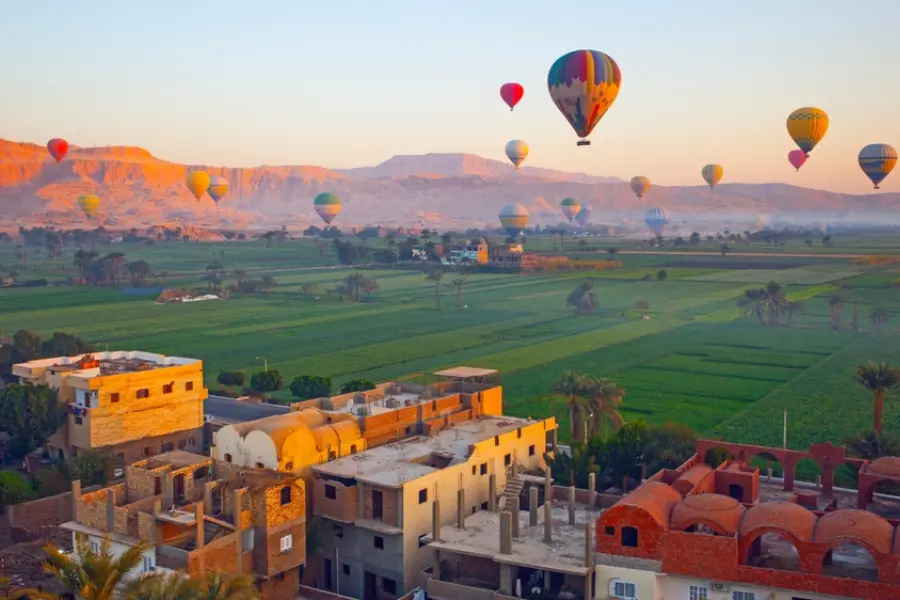
- Fly over the West Bank at sunrise
- Sail the Nile in a felucca at sunset
- Visit Luxor Museum
- Discover Deir el-Medina
- See the Colossi of Memnon
- Take a day trip to Dendera and Abydos
What Is There to See in Luxor? East Bank vs West Bank
The Nile divides Luxor’s main sights into two practical touring areas. The East Bank contains the modern city and its great temple complexes; the West Bank holds the royal necropolises, mortuary temples, and many of the city’s most impressive tombs.
🌅 East Bank
- Karnak Temple
- Luxor Temple
- Avenue of Sphinxes
- Luxor Museum and Mummification Museum
- Most hotels, restaurants, and transport connections
🌄 West Bank
- Valley of the Kings and Valley of the Queens
- Hatshepsut Temple
- Medinet Habu, the Ramesseum, and Deir el-Medina
- Colossi of Memnon
- Sunrise balloon flights and a quieter rural atmosphere
Simple rule: group sights by bank. Crossing repeatedly wastes time, while a dedicated day on each side creates a much smoother itinerary.
What to See on Luxor’s East Bank
The East Bank is compact enough for a focused day, with Karnak in the morning, a museum in the afternoon, and Luxor Temple after sunset.
1. Karnak Temple
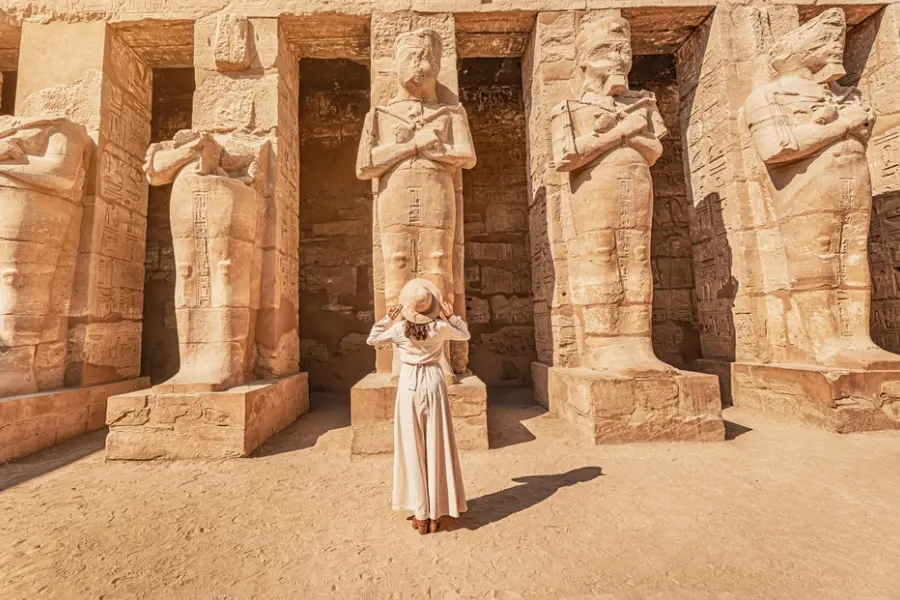
Karnak is a vast complex developed by generations of rulers rather than a single temple built at one moment. Its most famous space is the Great Hypostyle Hall, where enormous columns create one of Luxor’s most dramatic sights.
Allow: 2–3 hours. Best time: early morning for cooler temperatures and fewer large groups. Good to know: the site is extensive, so wear comfortable shoes and carry water.
2. Luxor Temple After Sunset
Luxor Temple is beautiful by day, but evening lighting makes its colonnades, statues, and obelisk especially atmospheric. The complex reflects several periods of Egyptian history, with major work associated with Amenhotep III and Ramesses II and later Roman additions.
Allow: 1–1.5 hours. Best time: late afternoon into evening. Good to know: check the official schedule before visiting because opening hours can change seasonally.
3. Avenue of Sphinxes
This restored ceremonial avenue runs for roughly 2.7 km between Karnak and Luxor temples. You do not need to walk its entire length to appreciate the processional route, but viewing a section helps explain the religious connection between the two complexes.
4. Luxor Museum and Mummification Museum
Luxor Museum is a carefully curated collection whose scale makes it easier to absorb than a huge national museum. It is an excellent companion to the temples and tombs you see around the city.
The smaller Mummification Museum focuses on ancient Egyptian beliefs and practices surrounding preservation of the body. Choose one if your schedule is tight, or visit both over a longer stay.
What to See on Luxor’s West Bank
The West Bank has more archaeological sites spread across a wider area. Start early and choose four or five stops rather than trying to see everything in one day.
5. Valley of the Kings
Hidden in a desert valley beneath a pyramid-shaped peak, the royal tombs preserve painted scenes and funerary texts created to guide New Kingdom rulers into the afterlife. Tutankhamun’s tomb was discovered here, while other tombs are often more extensive and richly decorated.
Allow: 2–3 hours. Best time: as early as possible. Good to know: the standard admission and separately ticketed tombs can change, so check which tombs are open before choosing.
6. Hatshepsut Temple at Deir el-Bahari
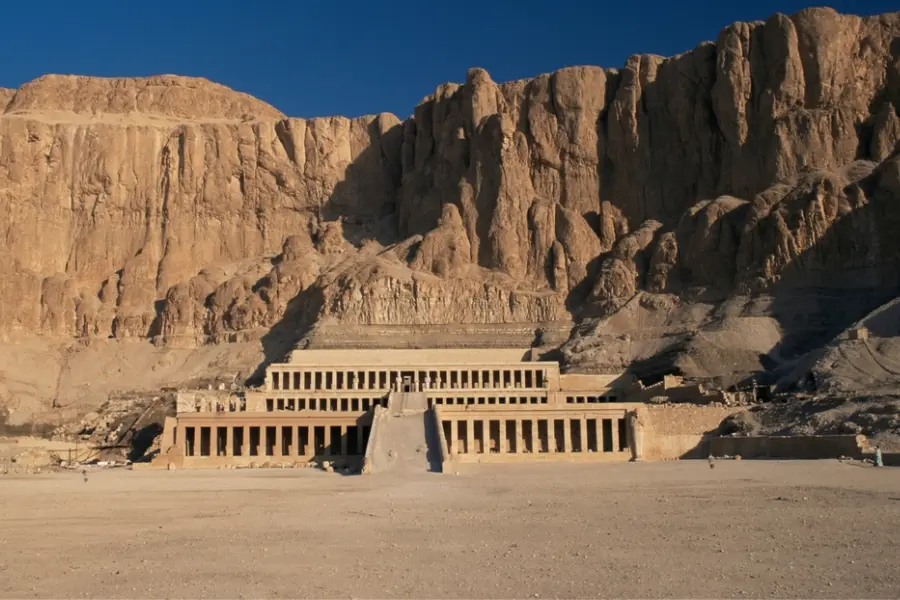
Built for Hatshepsut—the queen who became pharaoh—this terraced mortuary temple rises against the cliffs of Deir el-Bahari. Its architecture, setting, and scenes connected with Hatshepsut’s reign make it a West Bank essential.
Allow: 1–1.5 hours. Best time: morning, as the open terraces become hot later in the day.
7. Medinet Habu
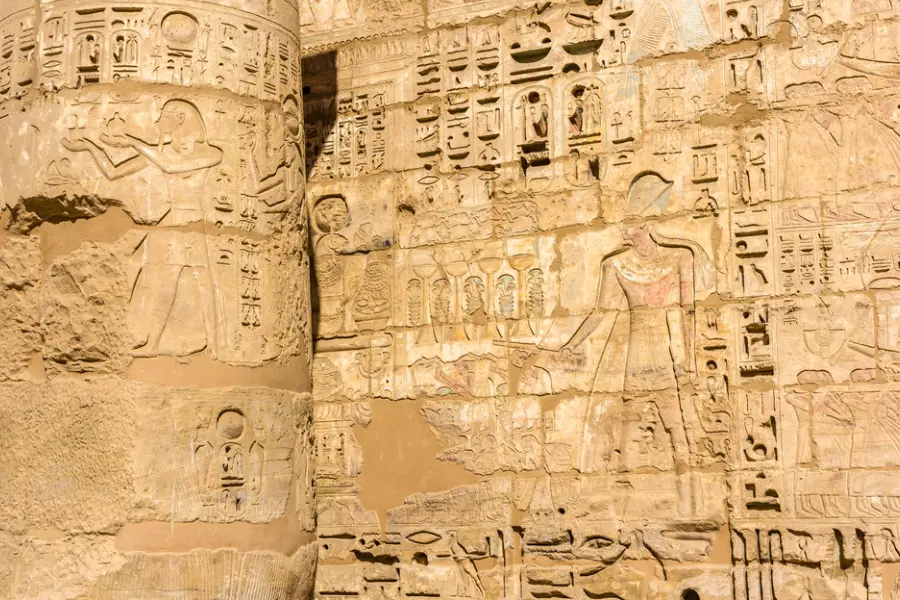
The mortuary temple of Ramesses III is one of the best places in Luxor to study monumental reliefs and surviving color. It often feels calmer than the headline sites and is a strong addition after the Valley of the Kings.
8. Deir el-Medina
This was the settlement of the skilled workers and artists who created the royal tombs. Their village, chapels, and decorated tombs offer a more personal view of ancient life than the grand monuments of kings and queens.
9. Valley of the Queens, the Ramesseum, and Colossi of Memnon
The Valley of the Queens contains tombs made for royal wives and children; access to individual tombs may require separate tickets. The Ramesseum, the mortuary temple of Ramesses II, is rewarding for travelers who want more archaeology with fewer crowds.
The Colossi of Memnon are monumental statues of Amenhotep III and an easy photographic stop while moving between West Bank sites.
Best Luxor Experiences Beyond the Temples
Sunrise Hot-Air Balloon
Flights usually take place around sunrise over the West Bank, subject to weather and aviation approval. Build flexibility into your schedule because safety-related cancellations can happen.
Felucca at Sunset
A short sail is a peaceful way to see the river, farmland, and changing light. Wind conditions affect the route, so allow enough time and agree on the duration before departure.
Local Food and Markets
Leave room for Egyptian dishes, seasonal produce, and a walk through local shopping streets. Choose busy, well-reviewed restaurants and ask before photographing people or stalls.
For a longer journey, Luxor is also a major starting or finishing point for a Nile cruise between Luxor and Aswan. A multi-night cruise is different from a short felucca ride and should be planned as a separate part of your Egypt itinerary.
What to Do in Luxor at Night
Luxor becomes more comfortable after the daytime heat fades. The best evening activities are simple and atmospheric:
- Visit Luxor Temple after dark and see the columns and statues illuminated.
- Walk along the Nile Corniche and stop for dinner or tea.
- Take an evening motorboat ride if conditions are suitable.
- Attend the Karnak Sound and Light Show if the current schedule fits your plans.
- Browse local markets while keeping purchases and bargaining relaxed.
Planning note: operating times and show schedules change, so confirm them close to your visit rather than relying on an old timetable.
Luxor Itinerary: 1, 2, or 3 Days
These plans balance the most important Luxor attractions with realistic travel time. Adjust them for heat, opening hours, and your pace.
One Day in Luxor
Early morning: Valley of the Kings → late morning: Hatshepsut Temple and Colossi of Memnon → afternoon: Karnak Temple → evening: Luxor Temple.
This is possible with private transport, but it is a fast overview rather than a relaxed visit.
Two Days in Luxor
Day 1—East Bank: Karnak Temple → lunch/rest → Luxor Museum → Luxor Temple after sunset.
Day 2—West Bank: optional sunrise balloon → Valley of the Kings → Hatshepsut Temple → Medinet Habu → Colossi of Memnon.
Three Days in Luxor
Follow the two-day plan, then use Day 3 for Deir el-Medina, the Valley of the Queens or Ramesseum, a relaxed museum visit, local lunch, and a sunset felucca. Alternatively, use the third day for Dendera.
See our complete Luxor itineraries and vacation packages if you prefer transport and guiding to be arranged in advance.
Best Day Trips from Luxor
Once you have covered the main East and West Bank sights, these trips expand the story beyond ancient Thebes.
Dendera Temple
The Temple of Hathor at Dendera is the most manageable major day trip from Luxor and is known for detailed reliefs, surviving color, and its astronomical ceiling.
Abydos and Dendera
Combining Abydos with Dendera creates a long but rewarding day. Abydos is especially important for the Temple of Seti I and its refined reliefs.
How to Get to Luxor
- By air: Luxor International Airport receives domestic services, especially from Cairo, and some international or seasonal flights. Check current routes for your travel dates.
- By train: trains connect Cairo, Luxor, and Aswan. Journey times and permitted services vary, so confirm the latest schedule and booking rules.
- By road: private transfers and buses connect Luxor with destinations such as Hurghada, but travel time depends on the route and checkpoints.
- By Nile cruise: most classic itineraries operate between Luxor and Aswan, stopping at temples along the river.
Getting Around Luxor, Tickets, and Practical Tips
- Private car and guide: the easiest option for a full West Bank circuit because the sites are spread out.
- Taxi: useful for point-to-point trips; agree on the price and exact route before leaving.
- Public ferry: an inexpensive way to cross between the East and West banks.
- Walking: practical around central East Bank areas, but not for completing the full archaeological circuit.
- Tickets: opening hours, admission prices, and available tombs can change. Verify them on Egypt’s official monument-ticket portal or through your tour operator close to the visit.
- Luxor Pass: compare the current pass price and inclusions with the number of sites you genuinely plan to enter. Read our Cairo and Luxor Pass guide.
- Heat: begin outdoor sightseeing early, take a midday break in hot months, and carry water, sun protection, and comfortable shoes.
- Tombs: follow photography rules and never touch painted walls, even where photography is permitted.

Where to Stay and Eat in Luxor
Stay on the East Bank if you want the widest choice of hotels, restaurants, evening walks, and easy access to the airport and railway station. It suits most first-time visitors.
Stay on the West Bank for a quieter, more rural atmosphere and early access to tombs and balloon departure points. You will cross the Nile for East Bank evenings and transport hubs.
For food, look for well-reviewed Egyptian restaurants serving dishes such as molokhia, grilled meats, stuffed vegetables, and fresh bread. Nile-view dining is atmospheric, while smaller local restaurants can offer a more everyday experience. Recent reviews matter more than old “best restaurant” lists because businesses and standards change.
Best Time to Visit Luxor
For comfortable sightseeing, the cooler period from roughly October to April is generally the best time to visit Luxor. December and January offer mild daytime conditions but can bring cool early mornings and evenings.
Summer visits are possible, but temperatures can be intense. Plan outdoor sites immediately after opening, rest during the hottest hours, and resume later. Whatever the season, check the forecast shortly before your trip.
Plan Your Luxor Tour
Luxor is easiest to enjoy when transport, ticket timing, and the two banks are organized around your interests. Egypt Tours Group can arrange a private guide and vehicle, combine the essential temples and tombs, or build a slower itinerary around photography, archaeology, family travel, or a Nile cruise.
Frequently Asked Questions About Luxor
How many days do you need in Luxor?
Two full days cover the essential East and West Bank sights. Three days is ideal for a less rushed visit with a museum, balloon flight, felucca sail, or quieter archaeological sites.
Can you see Luxor in one day?
Yes, but only as a fast highlights tour. With an early start and private transport, prioritize the Valley of the Kings, Hatshepsut Temple, Karnak Temple, and Luxor Temple.
Is the Luxor hot-air balloon worth it?
For many travelers, yes. It provides a memorable sunrise perspective over the West Bank landscape. Flights depend on weather and official clearance, so keep your schedule flexible.
What should you not miss in Luxor?
Do not miss Karnak Temple, Luxor Temple, the Valley of the Kings, and Hatshepsut Temple. If time allows, add Medinet Habu, Luxor Museum, and a Nile experience.
Is it better to stay on Luxor’s East Bank or West Bank?
The East Bank is more convenient for most first-time visitors because it has more hotels, restaurants, and transport links. The West Bank is quieter and closer to the tombs and mortuary temples.
Do you need a guide in Luxor?
A guide is not mandatory at every site, but a qualified Egyptologist adds valuable context and makes a multi-stop West Bank day easier to organize.
What can you do in Luxor besides temples?
Take a sunrise balloon flight, sail in a felucca, visit museums, try local Egyptian food, explore markets, walk along the Corniche, or spend a quiet afternoon on the West Bank.