Ramadan in Egypt: What Travelers Should Know Before Visiting
Ramadan in Egypt: What Travelers Should Know Before Visiting
Ramadan in Egypt isn’t just a religious month — it changes the rhythm of the entire country. Daily routines shift, evenings feel different, and there’s a stronger sense of community everywhere you go. For travelers — especially those visiting from the United States — understanding what Ramadan actually feels like in Egypt can turn uncertainty into one of the most meaningful travel experiences you’ll ever have.
Instead of avoiding Egypt during Ramadan because of common myths about closures or restrictions, many visitors discover that it’s one of the most memorable times to be there.
Here’s what you should know before planning your trip during Ramadan.
What Is Ramadan in Egypt?

Ramadan is the ninth month of the Islamic lunar calendar. It’s a sacred period observed by Muslims around the world through daily fasting, prayer, reflection, and charity. From dawn until sunset, Muslims fast from food and drink and focus on spiritual growth, discipline, and generosity.
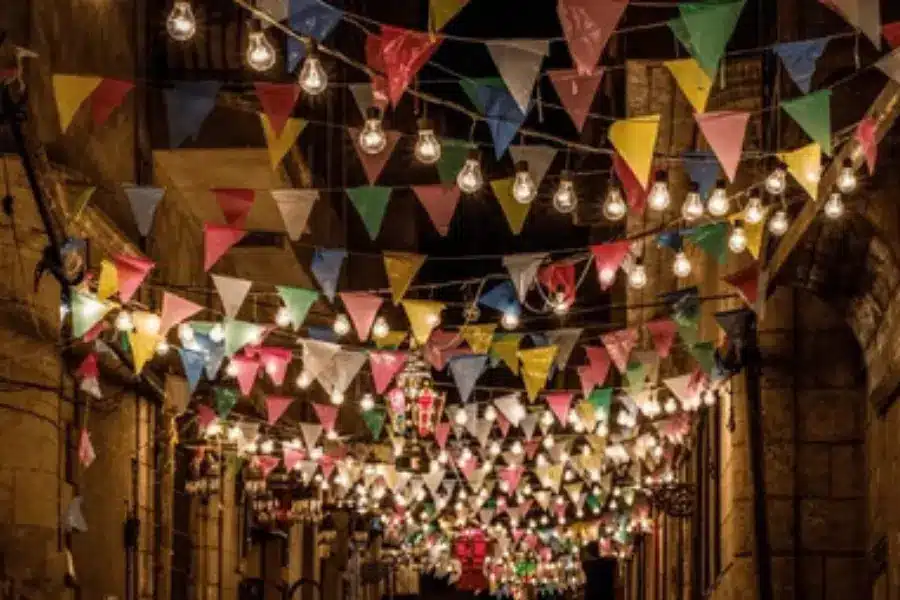
In Egypt, though, Ramadan is more than a religious obligation — it’s a season with its own mood. Streets are decorated with colorful lanterns known as fanous. Families adjust their schedules. The afternoons feel slower and quieter, and then, almost suddenly, everything comes alive after sunset.
It’s important to know that while Egyptians fast, tourists are not expected to. You’re free to eat and drink — just with a bit of cultural awareness, especially in public areas during daylight hours.
If you are planning to travel during the holy month, make sure to read our detailed guide on visiting Egypt during Ramadan to understand what tourists can and cannot do.
Does Egypt Celebrate Ramadan?
Absolutely. Ramadan is one of the most widely observed and culturally significant months in Egypt.
Even people who may not strictly fast still participate in the spirit of the month. Families gather for suhoor (the pre-dawn meal) and iftar (the evening meal that breaks the fast). Mosques hold nightly Taraweeh prayers. Acts of charity increase. It’s a month centered around community.
Ramadan in Egypt isn’t only about worship — it’s social. Streets are decorated. Traditional foods appear everywhere. Neighborhoods feel more connected.
One long-standing tradition is the firing of the Iftar Cannon — a ceremonial cannon shot at sunset to signal the breaking of the fast. It’s a historical custom that many visitors find fascinating.
Is Egypt Open During Ramadan?
Yes — and this is where many travelers get confused.
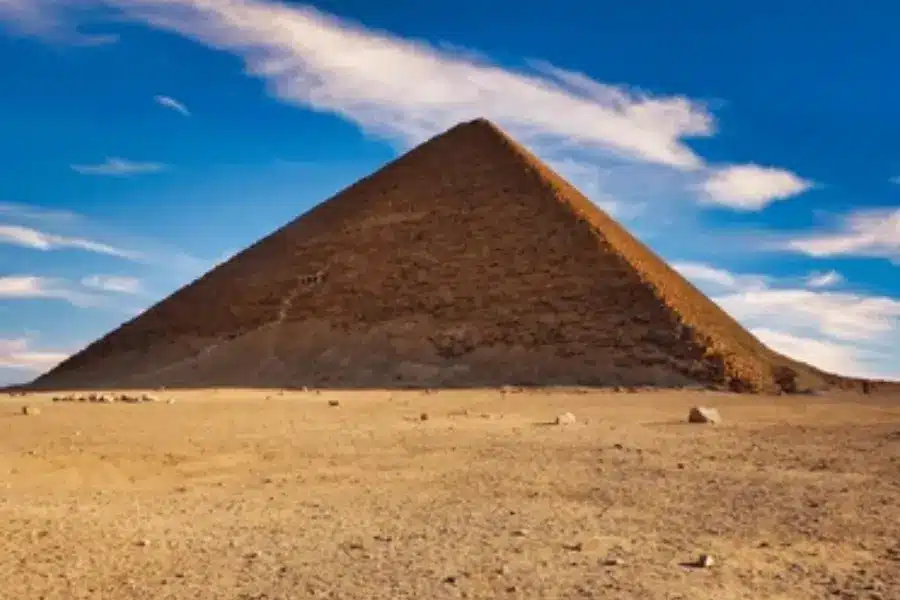
Despite the common assumption that “everything shuts down,” Egypt remains open during Ramadan. Major tourist attractions — including the Pyramids of Giza, the Egyptian Museum, Luxor’s temples, and Nile cruises — continue operating as usual.
What changes is timing, not availability.
Here’s what typically happens:
Daily routines shift around fasting hours.
- • Some shops may close in the late afternoon.
- • Government offices may operate shorter hours.
- • Smaller local restaurants may pause daytime service.
However, hotels, tour operators, and tourist-oriented services continue functioning normally. Egypt’s tourism industry is used to welcoming visitors during Ramadan.
When Does Ramadan Start and End in Egypt?
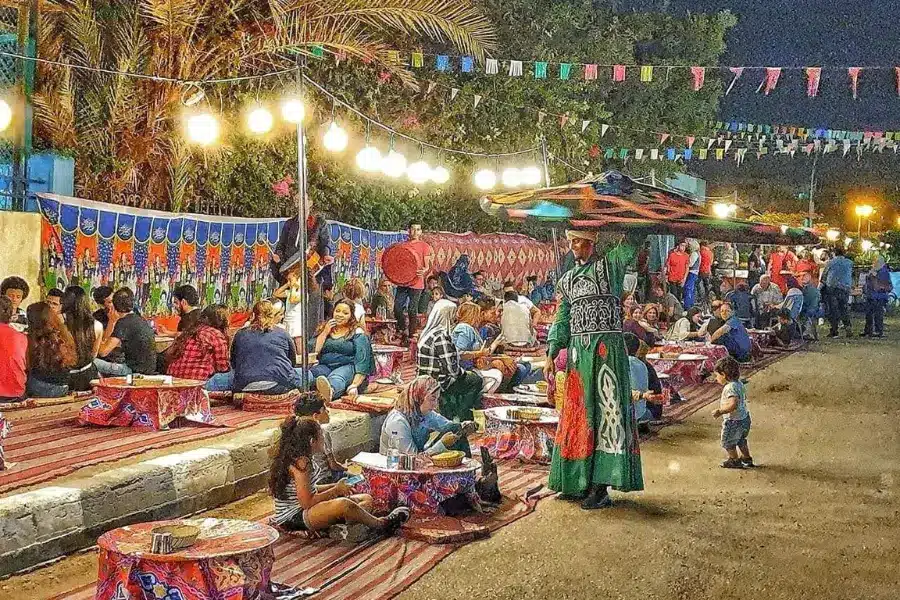
Ramadan in Egypt follows the Islamic lunar calendar, meaning its dates are confirmed each year through official moon sighting.
In 2026, Ramadan began on the evening of February 18, with the first day of fasting observed on February 19, and it ends on the evening of March 20, followed by the celebration of Eid al-Fitr.
Because Ramadan shifts approximately 10–11 days earlier each year, its timing — and even the weather during your visit — changes annually. Checking confirmed dates before planning your trip helps you schedule tours and activities more comfortably.
For accurate trip planning, you can review the official Ramadan 2026 Egypt dates before booking your visit.
Is Ramadan a Public Holiday in Egypt?
Ramadan itself is not a month-long public holiday in Egypt. It’s a sacred religious month during which Muslims fast from dawn to sunset, but daily life continues across the country.
Government offices often work shorter hours, and some local businesses may adjust their schedules. However, tourist attractions, hotels, airports, and tour services continue operating throughout the month.
The official public holiday comes at the end of Ramadan — during Eid al-Fitr, which is celebrated for several days across Egypt. During Eid, banks, government offices, and many businesses close, and domestic travel increases significantly as families gather and celebrate.
For visitors, this simply means:
- Ramadan brings adjusted timing.
- Eid brings official national holidays.
Understanding the difference helps you plan more confidently — especially if your travel dates fall near the end of the month.
What Changes in Egypt During Ramadan?
Working Hours
Government offices and some local businesses operate on reduced or adjusted schedules. Tourist-focused services, however — including hotels, guides, and major attractions — generally maintain regular hours, with slight adjustments around prayer times.
Restaurants
During the day, some local restaurants may close temporarily, especially outside tourist areas. However:
- Hotel restaurants remain open.
- International cafés and food courts continue serving guests.
- Tourist districts provide discreet daytime dining options.
After sunset, the dining scene becomes lively. Families and friends gather for Iftar, and many restaurants offer special Ramadan menus.
Tourist Sites
Historical sites, museums, temples, and Nile tours continue running. In some cases, attractions may close an hour earlier than usual, making early-morning visits ideal.
Many travelers actually prefer Ramadan mornings because sites feel less crowded.
Local Customs
Ramadan highlights Egyptian hospitality. You’ll notice:
- Families sharing meals after sunset
- Decorative lights and lanterns across neighborhoods
- Increased charity and generosity
- Public “mawa’ed al-rahman” (tables of mercy), where meals are offered freely
The overall atmosphere feels more communal than restrictive.
If you’re wondering which city offers the right atmosphere, explore our guide on where to experience Ramadan in Egypt.
Why Visiting Egypt During Ramadan Is a Unique Experience
Traveling to Egypt during Ramadan isn’t just sightseeing — it gives you insight into daily life in a way few other months can.
1. Evenings Feel Different
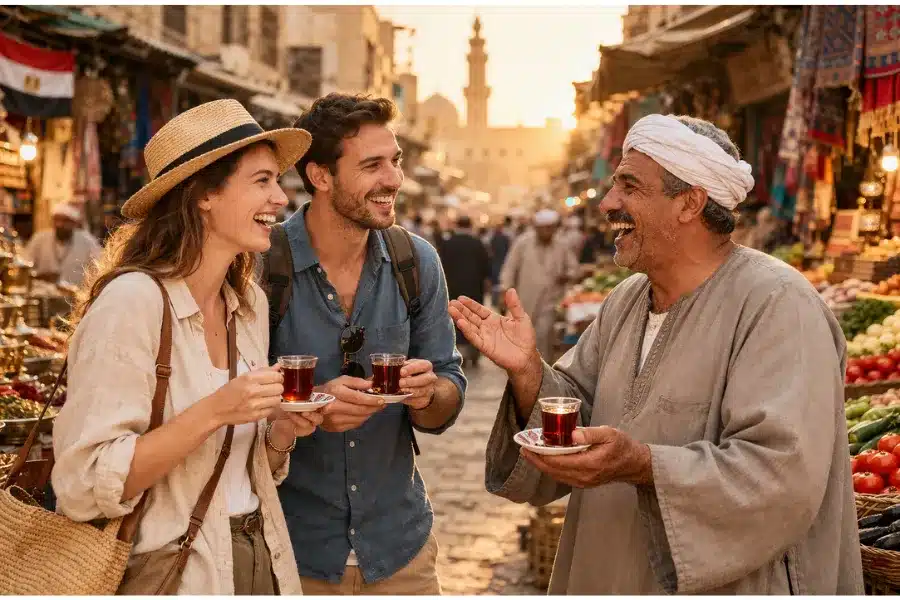
After sunset, streets fill with people meeting friends and family. Lanterns glow above cafés. Conversations stretch late into the night. It’s not chaotic — it’s warm and social.
Even if you’re simply observing, you can feel that something special is happening.
2. Fewer Daytime Crowds
Because local routines shift, mornings at major attractions can feel calmer. For visitors who prefer a slower sightseeing pace, this can be a real advantage.
3. Cultural Depth
Ramadan offers a chance to witness traditions that most travelers never see — communal meals, mosque gatherings, neighborhood decorations, and late-night social life.
4. Seasonal Comfort
As Ramadan moves earlier each year, it often falls during cooler months in Egypt, especially February and March. That makes daytime touring more comfortable compared to peak summer heat.
Experience Ramadan With a Private Guided Tour
While Egypt remains open during Ramadan, having a local guide can make your visit smoother. Adjusting sightseeing schedules, choosing the right evening experiences, and navigating local timing becomes much easier with expert support.
If you’re planning to visit Egypt during Ramadan, you might consider exploring:
If you’d like help planning around Ramadan dates and schedules, our local team is always happy to guide you.
Ramadan Nights in Cairo: Food, Lights & Local Life
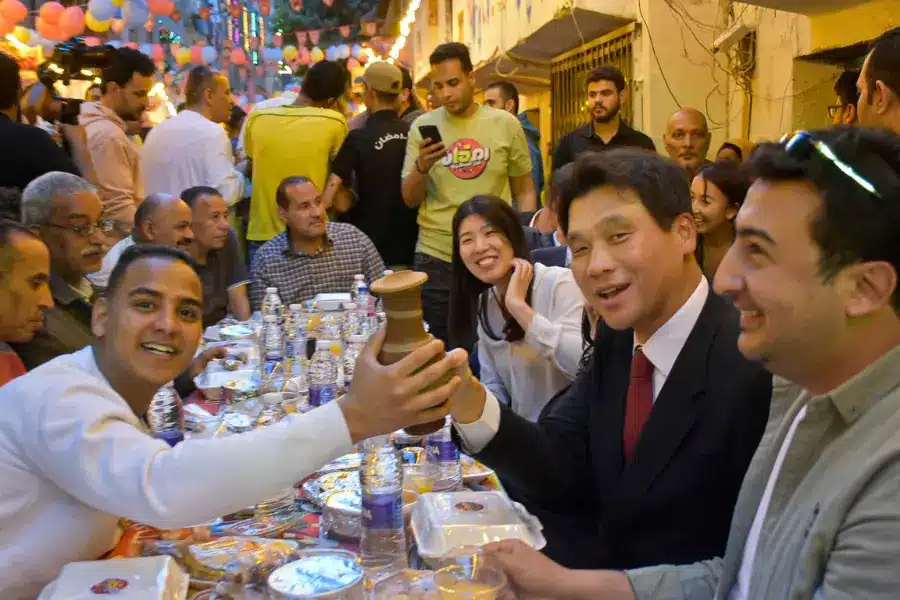
Cairo’s Ramadan nights are something you remember long after you leave.
As soon as the Maghrib call to prayer signals sunset, the city shifts. Lanterns glow across balconies. Dessert shops fill their windows with kunafa and qatayef. Rooftop cafés fill with conversation.
Walking through Cairo after Iftar feels less like attending a festival and more like being welcomed into a shared routine — spiritual, social, and relaxed all at once.
For many visitors, these evenings become the highlight of their trip.
To experience the capital’s festive atmosphere in more detail, read our full guide about Ramadan in Cairo.
Should You Visit Egypt During Ramadan?
If you’re looking for a traditional high-energy tourist season, Ramadan may feel different.
But if you’re open to experiencing Egypt beyond the usual pace — slower afternoons, lively evenings, deeper cultural connection — then for many travelers, the answer is yes.
Ramadan doesn’t close Egypt. It reshapes it.
Here are key things to remember:
✔ Tourist sites stay open.
✔ Food and drink remain available in tourist areas.
✔ Cultural respect goes a long way.
✔ Egypt remains safe and welcoming.
✔ Evenings offer a unique atmosphere you won’t see at other times.
If you’re drawn to authentic culture, meaningful travel experiences, and evenings that feel genuinely local, Ramadan may be one of the most rewarding times to visit.
At Egypt Tours Group, we design flexible itineraries that adapt to Ramadan schedules while ensuring you enjoy Egypt’s most iconic sites — from the Pyramids of Giza to the temples of Luxor.
Conclusion
Visiting Egypt during Ramadan isn’t about checking landmarks off a list. It’s about seeing the country in a slightly different light — quieter during the day, more alive at night, and more connected in between.
With thoughtful planning and an open mindset, a Ramadan trip to Egypt can become one of the most distinctive travel experiences you’ll have.
1. Is it safe to visit Egypt during Ramadan?
Yes. Egypt remains safe and welcoming during Ramadan. Tourist areas operate normally, and the atmosphere is often calm and community-focused.
2. Does Ramadan affect tourists in Egypt?
Ramadan adjusts daily schedules slightly, but it does not significantly affect tourists. Hotels, tours, and attractions remain open.
3. Can tourists eat and drink during Ramadan in Egypt?
Yes. Tourists are not required to fast. Eating in hotels and tourist restaurants is completely acceptable, and discretion in public areas is appreciated.
4. Is Ramadan a good time to visit Egypt?
For travelers interested in cultural immersion and fewer daytime crowds, Ramadan can be an excellent time to visit.
To help you decide the most suitable travel period, check our detailed guide on the best time to visit Egypt during Ramadan.
5. When does Ramadan start and end in Egypt?
Ramadan in Egypt is determined by the lunar calendar and confirmed by official moon sighting. In 2026, Ramadan began on the evening of February 18 and ends on the evening of March 20. Because the dates change every year, travelers should confirm timing before planning their trip.