
Where to Experience Ramadan in Egypt: Best Places for Travelers
If you want to experience Ramadan in Egypt rather than simply travel during it, choosing the right place makes a real difference. The month is observed across the country, but the atmosphere changes noticeably from Cairo’s historic neighborhoods to the Nile cities of Upper Egypt and the resorts of the Red Sea.
Cairo is the best choice for most first-time visitors who want to see Ramadan at its most visible and social, especially after Iftar around Islamic Cairo, Al-Muizz Street, and Khan El Khalili. Luxor and Aswan offer a calmer experience alongside temples and the Nile, while Alexandria combines Ramadan evenings with the Mediterranean coast. Hurghada suits travelers who want a beach holiday with fewer changes to their usual resort routine.
This guide compares the best places to experience Ramadan in Egypt, what makes each destination different, where to go after sunset, and which city is likely to suit your travel style.
Quick Answer: Best Places to Experience Ramadan in Egypt
For the strongest traditional Ramadan atmosphere, Cairo is the best overall choice. But travelers looking for a quieter Nile setting, a coastal city, or a resort-based holiday may prefer another destination.
Best overall: Choose Cairo if experiencing Ramadan itself is a major reason for your trip. Choose Luxor or Aswan if Ramadan is part of a wider historical itinerary, Alexandria for a coastal city stay, and Hurghada if your priority is the Red Sea.
Ramadan in Cairo – Best for the Full Ramadan Atmosphere
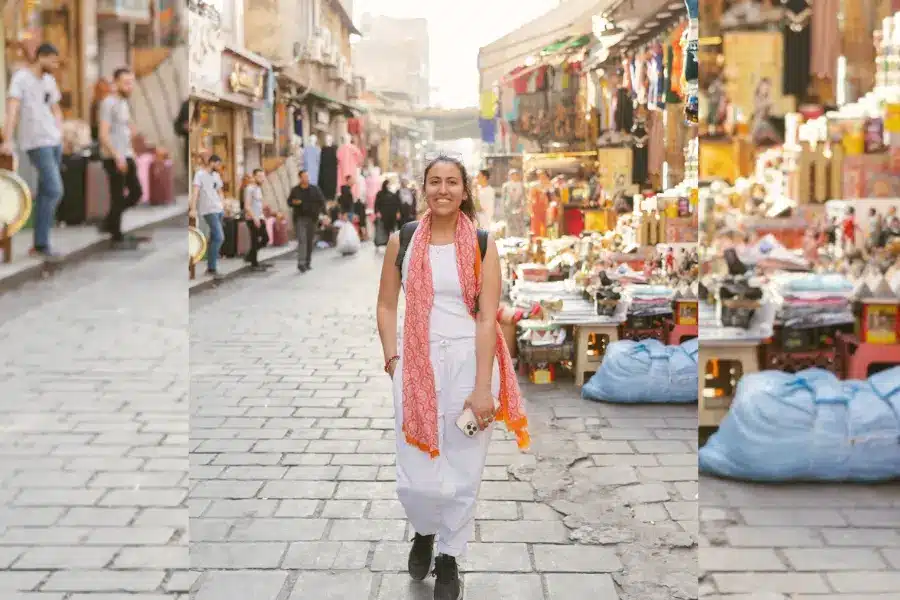
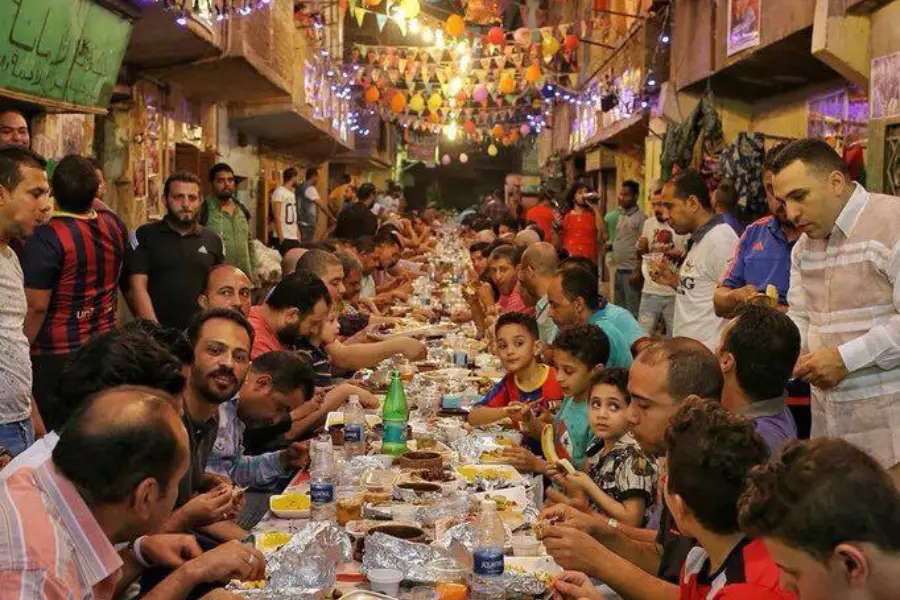
Cairo is the best overall choice if experiencing Ramadan itself is one of the main reasons for your trip. The contrast between quieter daytime hours and busy evenings is more visible here than in Egypt’s smaller tourist cities, and there are several areas where visitors can experience the month beyond hotels and major attractions.
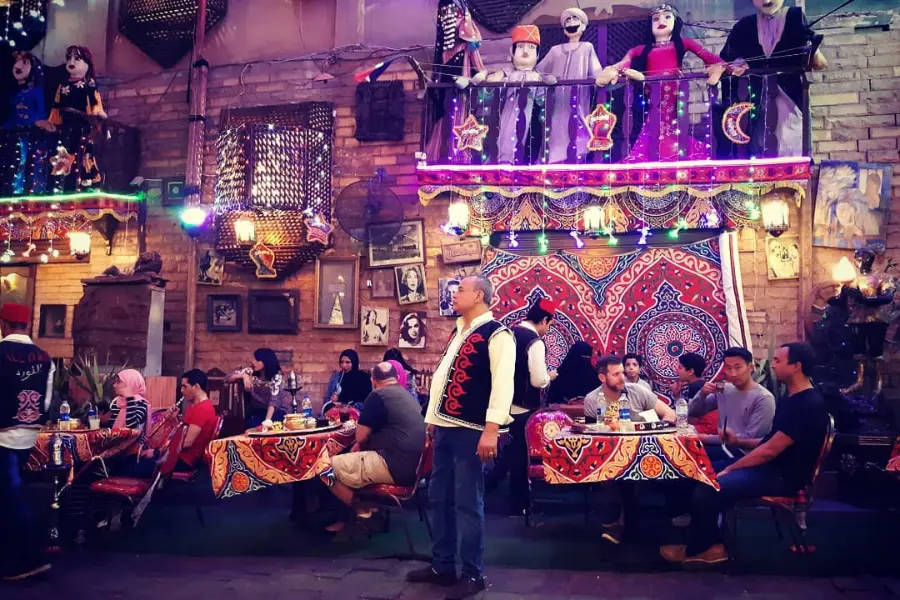
Where to Experience Ramadan in Cairo
- Al-Muizz Street: One of the best places for an evening walk through historic Islamic Cairo, with centuries-old architecture, shops, cafés, and nearby markets.
- Khan El Khalili: A practical stop after Iftar for cafés, shopping, sweets, and the evening atmosphere around one of Cairo’s best-known historic districts.
- Al-Hussein and the surrounding Islamic Cairo streets: A good area to combine with Al-Muizz and Khan El Khalili if you want to spend a full evening walking rather than moving between separate attractions.
- The Nile Corniche: Better for a more relaxed evening, particularly if you want a riverside walk, dinner, or a Nile cruise after a day of sightseeing.
When to Go
Use the daytime for the Pyramids, museums, and other major sights, then save Islamic Cairo for after Iftar when the streets, cafés, and markets become more active. If you want to see both sides of Ramadan in Cairo, this day-to-night contrast is part of the experience.
Best for: First-time visitors, photographers, food lovers, and travelers who want the most visible Ramadan atmosphere alongside Cairo’s major historical attractions.
For a more detailed look at daily life, sightseeing, and evenings in the capital, read our full guide to Ramadan in Cairo.
Ramadan in Luxor – Best for History and a Slower Pace
Luxor is a better choice than Cairo if your main priority is ancient Egyptian history and you prefer a smaller city with a less intense evening atmosphere. Ramadan is still visible in daily life, but most travelers come here primarily for the temples and tombs, with the month adding a different rhythm to the trip rather than dominating it.
What to Do in Luxor During Ramadan
- Valley of the Kings: Plan the West Bank earlier in the day, when you can combine the royal tombs with Hatshepsut Temple and the Colossi of Memnon without crossing the city repeatedly.
- Karnak Temple: One of the main sights on the East Bank and an essential stop for first-time visitors to Luxor.
- Luxor Temple and the East Bank: Central Luxor is easy to explore in the evening, and Luxor Temple can be combined with a walk through the surrounding streets and the Nile Corniche.
- Nile Corniche: After Iftar, the riverfront is an easy place to walk, have a drink or meal, and see a more everyday side of the city away from the archaeological sites.
How to Plan the Day
Use the morning and early afternoon for the main archaeological sites, then leave the evening for central Luxor and the Nile. Ramadan schedules can vary, so check current opening hours for temples, tombs, and museums before fixing the order of your sightseeing.
Best for: Travelers who want Egypt’s major archaeological sites, a Nile setting, and a quieter Ramadan experience than Cairo.
If Luxor is a major part of your trip, our guide to the best things to do in Luxor covers the city’s main temples, tombs, museums, and practical planning in more detail.
Ramadan in Alexandria – Best for Coastal Evenings
Alexandria offers a different Ramadan experience from both Cairo and Upper Egypt. You still get the evening social atmosphere of a major Egyptian city, but with the Mediterranean, the Corniche, and seafood restaurants shaping much of the experience.
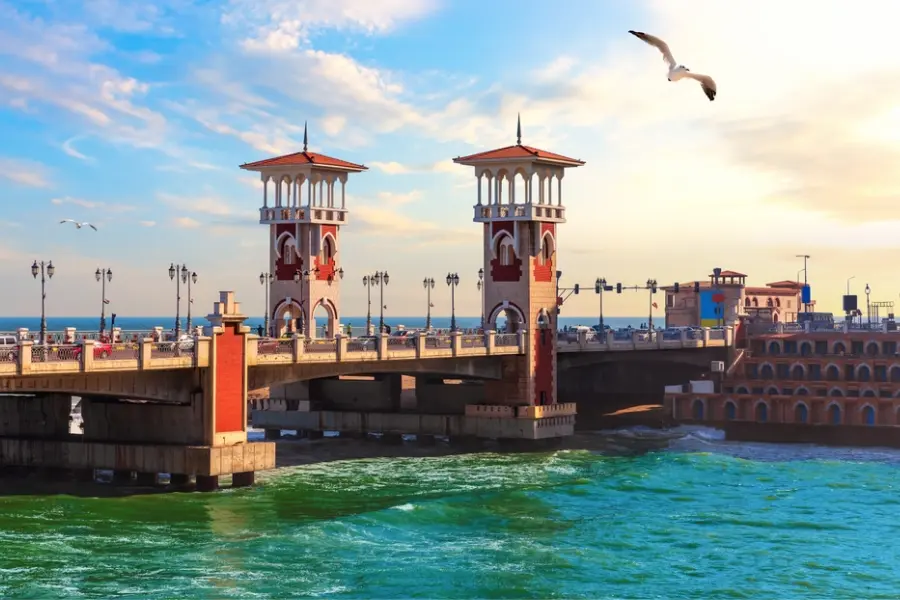
Where to Spend a Ramadan Evening in Alexandria
- Eastern Harbor & Qaitbay: Finish your daytime sightseeing around Qaitbay Citadel, then stay around the waterfront for an evening walk with views across the harbor.
- Anfushi & Bahary: These older waterfront areas are a good choice if you want to combine an Alexandria evening with a local seafood meal after sunset.
- Stanley & Gleem: A convenient stretch of the Corniche for a relaxed walk, sea views, cafés, and an evening away from the archaeological sites.
- The Corniche: Rather than rushing to another attraction after Iftar, walking part of Alexandria’s long seafront is one of the simplest ways to experience the city in the evening.
How to Combine Ramadan with Alexandria Sightseeing
Use the daytime for sites such as the Catacombs of Kom El Shoqafa, the Graeco-Roman Museum, Bibliotheca Alexandrina, or Qaitbay Citadel, then leave the evening for the waterfront and dinner. This gives Alexandria a good balance between historical sightseeing and a more relaxed Ramadan evening.
Best for: Travelers who want Ramadan in a large Egyptian city but prefer sea views, coastal walks, and a more relaxed setting than Cairo.
For more ideas on planning your time in the city, see our guide to the best things to do in Alexandria, Egypt.
Ramadan in Hurghada – Best for a Red Sea Holiday
Hurghada is the best fit on this list if your priority is the Red Sea rather than a traditional Ramadan city experience. The destination is built around beaches, resorts, diving, snorkeling, boat trips, and other marine activities, so you can still spend most of your trip enjoying the coast while experiencing Ramadan in the city around you.
What to Do in Hurghada During Ramadan
- Spend the day on the Red Sea: Snorkeling, diving, island trips, and beach time remain the main reasons to visit Hurghada. Giftun Island and other nearby marine areas are popular choices for a full day on the water.
- Visit Hurghada Marina in the evening: The marina is an easy place for a walk, dinner, and a relaxed evening after returning from a boat trip or beach day.
- Explore El Dahar: If you want to see more of everyday Hurghada beyond the resort areas, the older part of the city gives you a more local setting for shops, streets, and evening activity.
- Combine the beach with a local Iftar: Rather than expecting the same Ramadan atmosphere as Cairo, enjoy Hurghada for what it does best during the day, then spend part of the evening outside the resort if you want to see more of the local rhythm of the month.
What to Expect at Resorts
Hurghada’s tourism industry is heavily centered on international resorts and Red Sea activities, but hotel dining schedules, excursions, and other services can vary during Ramadan. Check directly with your hotel or tour operator if a particular meal time or activity is important to your plans.
Best for: Travelers who want beaches, snorkeling, diving, and resort time, with Ramadan forming part of the wider holiday rather than being the main focus of the trip.
For a wider look at beaches, islands, diving, desert trips, and evening areas, see our guide to the best things to do in Hurghada.
Ramadan in Aswan – Best for Nile Views and Nubian Culture
Aswan is one of the best choices if you want a slower Ramadan experience built around the Nile, local neighborhoods, and Nubian culture. Compared with Cairo, the city is smaller and less intense, while still giving you plenty to do during the day and a relaxed setting after sunset.
What to Experience in Aswan During Ramadan
- Philae Temple: Visit during the daytime as part of your sightseeing. The temple complex sits on Agilkia Island and is reached by boat, making it one of Aswan’s most distinctive historical experiences.
- Nubian villages: A visit to a Nubian village can add a more local cultural dimension to your stay, with traditional houses, crafts, and a very different setting from Egypt’s larger cities.
- Aswan Corniche: The riverfront is a natural place for an evening walk after Iftar, with cafés, restaurants, boats, and views across the Nile toward the islands and West Bank.
- Felucca sailing: A late-afternoon or sunset felucca ride is one of the simplest ways to enjoy Aswan’s Nile scenery before spending the evening in the city.
- Local market and city center: The East Bank has shops, markets, restaurants, and everyday city life, making it useful if you want to see more than the main archaeological sites.
How Aswan Differs from Luxor
Both cities work well during a Nile Valley itinerary, but the experience is different. Luxor is more heavily focused on temples, tombs, and archaeological sightseeing, while Aswan gives you more time around the river, islands, Nubian culture, and smaller-scale local areas. If you are looking for a quieter place to experience part of Ramadan without giving up sightseeing, Aswan is a strong choice.
Best for: Couples, slower-paced travelers, and visitors who want Nile scenery, Nubian culture, and a quieter Upper Egypt stay during Ramadan.
For more ideas on temples, islands, Nubian villages, and day trips, see our guide to the best things to do in Aswan.
How to Choose the Best Place to Experience Ramadan in Egypt
There is no single destination that suits every traveler during Ramadan. The best choice depends on whether you want the month itself to be a major part of your trip or simply want to experience it while visiting Egypt’s main attractions.
- Choose Cairo if you want the strongest Ramadan atmosphere, busy evenings, historic neighborhoods, traditional cafés, and plenty to explore after Iftar.
- Choose Alexandria if you want a large Egyptian city with Ramadan evenings, seafood, and long walks beside the Mediterranean.
- Choose Luxor if ancient Egyptian temples and tombs are your priority and you prefer a quieter city after sightseeing.
- Choose Aswan if you want Nile scenery, Nubian culture, and a slower pace in Upper Egypt.
- Choose Hurghada if beaches, snorkeling, diving, and resort time matter more to you than experiencing Ramadan in a traditional city setting.
For first-time visitors: Cairo is the strongest choice if Ramadan is an important part of why you are visiting Egypt. If Ramadan falls during a longer Egypt itinerary, combining Cairo with Luxor or Aswan gives you two very different experiences of the month.
How to Choose the Best Place to Experience Ramadan in Egypt
There is no single destination that suits every traveler during Ramadan. The best choice depends on whether you want the month itself to be a major part of your trip or simply want to experience it while visiting Egypt’s main attractions.
Cairo:
Choose Cairo if you want the strongest Ramadan atmosphere, busy evenings, historic neighborhoods, traditional cafés, and plenty to explore after Iftar.
Luxor:
Choose Luxor if ancient Egyptian temples and tombs are your priority and you prefer a quieter city after sightseeing.
Alexandria:
Choose Alexandria if you want a large Egyptian city with Ramadan evenings, seafood, and long walks beside the Mediterranean.
Aswan
Choose Aswan if you want Nile scenery, Nubian culture, and a slower pace in Upper Egypt.
Hurghada:
Choose Hurghada if beaches, snorkeling, diving, and resort time matter more to you than experiencing Ramadan in a traditional city setting.
For first-time visitors: Cairo is the strongest choice if Ramadan is an important part of why you are visiting Egypt. If Ramadan falls during a longer Egypt itinerary, combining Cairo with Luxor or Aswan gives you two very different experiences of the month.
Practical Tips for Experiencing Ramadan in Different Parts of Egypt
Ramadan can affect the rhythm of the day differently from one destination to another, so it helps to keep your itinerary flexible rather than planning every hour too tightly.
- In Cairo: Do most major sightseeing earlier in the day and leave Islamic Cairo, Al-Muizz Street, Khan El Khalili, and other evening areas for after Iftar. Allow extra time when moving around the city close to sunset.
- In Alexandria: Use the daytime for museums and archaeological sites, then keep the Corniche, seafood restaurants, and waterfront areas for the evening.
- In Luxor: Plan outdoor archaeological sites such as the West Bank earlier in the day and check current attraction opening hours before visiting, as schedules can change during Ramadan.
- In Aswan: Combine daytime sightseeing with slower activities around the Nile later in the day, such as a felucca ride or an evening along the Corniche.
- In Hurghada: Beach and Red Sea activities can remain the focus of your trip, but confirm excursion schedules and hotel meal times directly if you are traveling during Ramadan.
You do not need to completely redesign your Egypt itinerary because of Ramadan. The main difference is usually when you do certain things rather than whether you can do them.
For more detailed planning, read our guides to Visiting Egypt During Ramadan, Ramadan in Egypt, and the Best Time to Visit Egypt During Ramadan, where we cover fasting hours, sightseeing, food, transportation, and other practical questions in more detail.
If Ramadan falls during a wider trip around Egypt, you do not have to choose only one of these destinations. A good itinerary can combine Cairo for the strongest Ramadan atmosphere with Luxor or Aswan for ancient sites, Nile scenery, and a slower pace. Alexandria can add a Mediterranean city experience, while Hurghada works well if you also want time on the Red Sea.
The key is not to build a completely different trip just because you are traveling during Ramadan. Choose the destinations that interest you most, then allow some flexibility around sightseeing times, Iftar, and evening activities.
Is Egypt Worth Visiting During Ramadan?
Yes. Ramadan can be a rewarding time to visit Egypt, especially if you are interested in seeing more of everyday local life alongside the country’s historical attractions.
The experience, however, depends greatly on where you stay. Cairo offers the most visible Ramadan atmosphere, particularly in historic neighborhoods after Iftar. Alexandria adds a Mediterranean setting, while Luxor and Aswan are better suited to travelers who want archaeological sightseeing and quieter evenings by the Nile. Hurghada remains a stronger choice for those whose main priority is the Red Sea.
You do not need to visit every destination to experience Ramadan in Egypt. Choose the places that match the type of trip you already want, then adjust the timing of sightseeing, meals, and evening activities around the rhythm of the month.
For many travelers, that balance is what makes visiting Egypt during Ramadan different from traveling at other times of the year.
Frequently Asked Questions
Where is the best place to experience Ramadan in Egypt?
Cairo is the best overall choice if experiencing Ramadan itself is an important part of your trip. Islamic Cairo, Al-Muizz Street, Khan El Khalili, and other historic neighborhoods become especially active after Iftar. Travelers looking for a quieter experience may prefer Luxor or Aswan, while Alexandria combines Ramadan evenings with a Mediterranean setting.
Is Cairo or Luxor better for experiencing Ramadan?
Choose Cairo if you want busy Ramadan evenings, historic neighborhoods, cafés, food, and a stronger social atmosphere. Choose Luxor if ancient temples and tombs are your main priority and you prefer a quieter city where Ramadan forms part of a wider sightseeing trip.
Can I experience Ramadan outside Cairo?
Yes. Ramadan is observed throughout Egypt, but the experience changes by destination. Alexandria offers coastal evenings, Luxor combines the month with archaeological sightseeing, Aswan adds Nile scenery and Nubian culture, and Hurghada works better for travelers combining Ramadan with a Red Sea holiday.
Is Aswan a good place to experience Ramadan?
Yes, especially if you prefer a slower pace. Aswan combines daytime sightseeing with Nilefront evenings, local neighborhoods, felucca sailing, and Nubian culture. It does not have Cairo’s intensity, but that is exactly why some travelers may prefer it.
Is Hurghada a good destination during Ramadan?
Yes, particularly if beaches, snorkeling, diving, and resort time are your priorities. However, Hurghada is not the strongest choice if experiencing traditional Ramadan atmosphere is the main reason for your trip. For that, Cairo is a better option.
Can I combine more than one destination during Ramadan in Egypt?
Yes. For many first-time visitors, combining Cairo with Luxor or Aswan works especially well. Cairo gives you the strongest Ramadan atmosphere, while Upper Egypt adds archaeological sites, Nile scenery, and a noticeably different pace.