

Alexandria, Egypt: History, Top Attractions, Travel Tips
Alexandria Egypt, offers a vibrant seaside setting where the Mediterranean coast shapes the city’s character just as much as its history does. Founded by Alexander the Great, Alexandria became one of the most important cultural hubs of the ancient world. Today, it stands apart from inland destinations by combining coastal charm, layered history, and a lively urban atmosphere.
The journey from ancient Alexandria to modern-day Alexandria is what makes visiting the city so rewarding. Travelers can explore landmarks such as the Bibliotheca Alexandrina and Qaitbay Citadel, stroll along the Corniche, and experience a place where history, architecture, and everyday life blend naturally with a relaxed Mediterranean spirit.

Uncover the historical and coastal allure of Alexandria City
Where Is Alexandria Egypt?
The city of Alexandria is located in northern Egypt along the Mediterranean coast, just northwest of Cairo and near the Nile Delta. It is the country’s second-largest city and one of its main coastal hubs, serving as a major Mediterranean port while preserving its historic urban character. Alexandria offers a distinctive blend of coastal scenery, layered history, and vibrant city life.
Located in North Africa and connected to the broader Middle East region, Alexandria’s strategic position has long contributed to its importance as a Mediterranean city. For a clearer view of its location and its relation to Cairo and the Nile Delta, see the next section with an Alexandria map and quick facts.
Alexandria Map & Quick Facts
The Alexandria map gives a clear view of the city’s location on Egypt’s Mediterranean coast. Positioned in northern Egypt, this major coastal hub combines seaport activity with a vibrant cultural scene, making it easy to grasp the city’s character through a few key facts.
Here’s a quick snapshot of Alexandria on the map and its key facts:
- Location: Northern Egypt, along the Mediterranean coast.
- Region: North Africa / Middle East.
- Founded: 331 BCE by Alexander the Great.
- Coastline: Extensive Mediterranean shoreline.
- Status: Egypt’s second-largest city.
- Main Identity: Historic Mediterranean port and cultural hub (Alexandria City, Egypt).
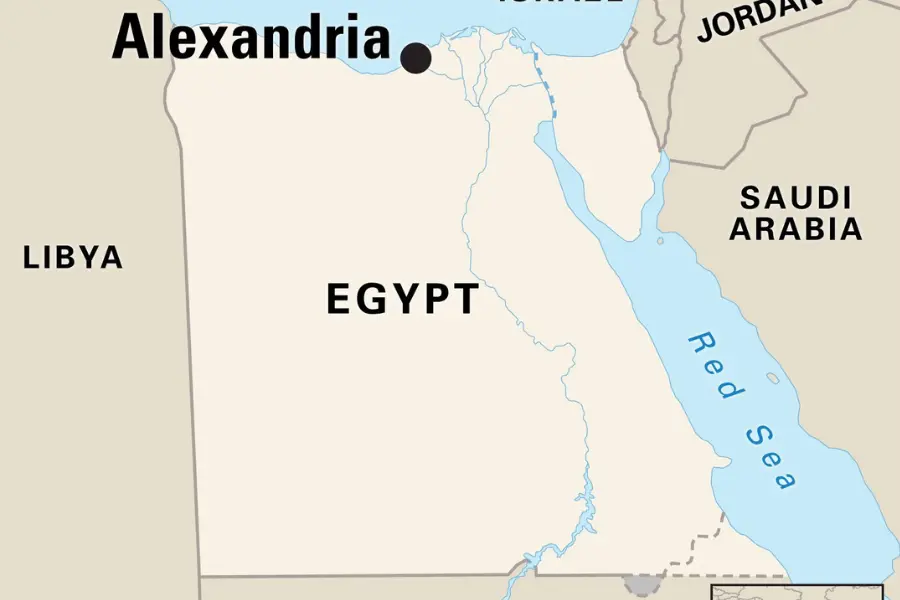
Alexandria on the map
History of Alexandria Egypt
Alexandria was founded in 331 BCE by Alexander the Great and quickly rose to become a major Hellenistic center of learning and commerce. This early period laid the foundation for the city’s lasting importance, making it a key hub of trade, culture, and intellectual life. The evolution of Alexandria’s history reflects its transformation from an ancient center of knowledge into a modern Mediterranean city shaped by many civilizations over the centuries.
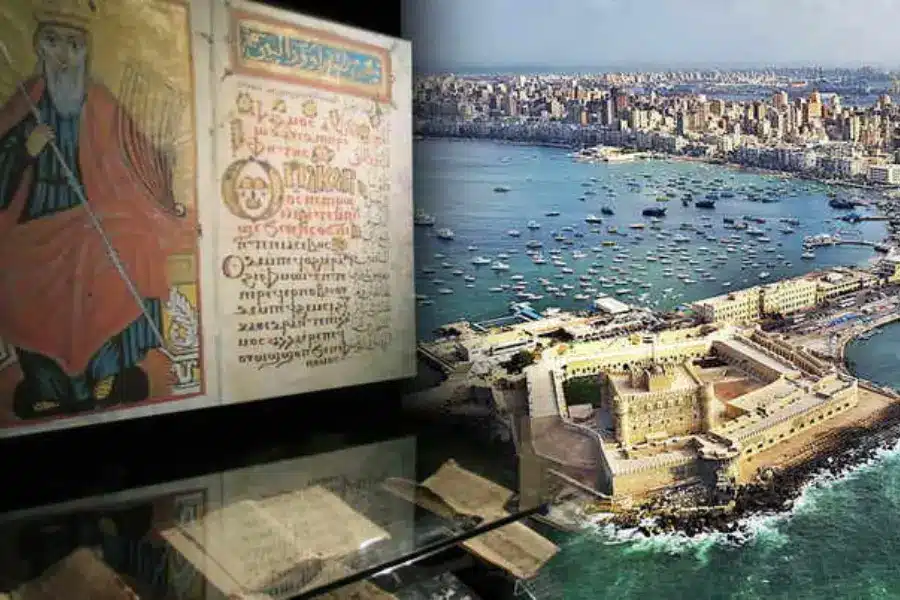
The history of Alexandria Egypt
Foundation and Hellenistic Alexandria
- The story of Alexandria begins with its founder, Alexander the Great, who established the city along the Mediterranean coast in a strategic location.
- It later became the capital of the Ptolemaic Kingdom and one of the most influential cities of the Hellenistic world.
- Alexandria became famous for its scholarly institutions, especially the legendary Library of Alexandria, as well as landmarks such as the Pharos Lighthouse.
- During this period, the city flourished as both a cultural and commercial center, attracting thinkers, merchants, and travelers from across the Mediterranean.
Alexandria Under Roman and Byzantine Rule
- Following the decline of the Ptolemaic Dynasty, Alexandria remained a vital urban center under the Alexandria Roman empire and later the Byzantine period.
- The city sustained its importance as a hub for trade, learning, and early Christianity, while continuing to influence regional politics and commerce.
- Even as political powers shifted, the urban and cultural life of Alexandria ancient Rome preserved the city’s role as a Mediterranean crossroads.
Islamic, Ottoman, and Early Modern Alexandria
- With the Islamic conquest, Alexandria entered a new chapter, integrating into emerging regional networks.
- Although its prominence declined relative to inland capitals, the city retained significance as a key seaport and trading post.
- Over the Ottoman and early modern periods, the urban settlement maintained a coastal identity and continuous connection to Mediterranean commerce, ensuring the city’s relevance despite shifting political landscapes.
Modern Alexandria and Its Historical Legacy
Modern-day Alexandria reflects the layers of its past while serving as one of Egypt’s main ports and urban centers. Landmarks like the Bibliotheca Alexandrina, Qaitbay Citadel, and Pompey’s Pillar echo its rich heritage, linking contemporary city life with its ancient roots. Today, Alexandria Egypt, embodies a unique blend of history, culture, and coastal charm, preparing travelers to explore both its historical and modern attractions.
Why Was Ancient Alexandria So Important?
Ancient Alexandria in Egypt was a premier intellectual, cultural, and commercial hub, influencing the Hellenistic and Roman Mediterranean. Its significance extended beyond Egypt’s borders, shaping trade, knowledge, and culture in the Hellenistic and Roman periods. Understanding what was significant about the city requires looking at its multiple roles, from learning and commerce to religion and politics.

Why Was Ancient Alexandria So Important?
A Center of Knowledge and Learning
- The city’s scholarly legacy was unmatched.
- The Great Library of Alexandria attracted philosophers, mathematicians, and scientists from across the ancient world, while the Mouseion served as a center for intellectual exchange.
- Ancient Alexandria became synonymous with innovation and discovery, leaving a lasting imprint on science, philosophy, and literature.
A Strategic Mediterranean Port
- Situated at the edge of the Nile Delta, Alexandria’s location made it a vital Mediterranean port.
- The city controlled trade routes for grain, papyrus, and other goods, linking Egypt to Europe, the Middle East, and North Africa.
- Its harbor and maritime infrastructure cemented its role as one of the most important trading centers of the ancient world.
A Cosmopolitan Hellenistic Capital
- As the Ptolemaic capital, Alexandria blended Greek and Egyptian cultures, becoming a cosmopolitan city.
- Alexandria’s Greek influences shaped architecture, art, and governance, while Egyptian, Roman, and Jewish communities coexisted, making the city a melting pot of ideas and traditions.
Landmarks such as the Pharos Lighthouse, one of the Seven Wonders of the Ancient World, symbolized Alexandria’s maritime and architectural prowess. These monuments not only guided traders but also signified the city’s status as a center of innovation and global recognition.
- Alexandria also held religious importance, emerging as a hub for early Christianity and later maintaining its cultural influence.
- Its intellectual and spiritual contributions ensured that ancient Alexandria remained a reference point for scholars, traders, and travelers for centuries, a legacy that continues to inform Alexandria’s history today.
Top Alexandria Attractions
Alexandria offers a rich mix of historical, cultural, and coastal sites, making it a must-visit Mediterranean city. From ancient ruins and Greco-Roman heritage to Islamic landmarks, royal palaces, and modern museums, the city presents layers of history and culture for every traveler. For those seeking the best Alexandria attractions, this guide highlights the top places to see in Alexandria, combining iconic monuments with modern cultural landmarks.
A modern revival of the ancient library, the Bibliotheca Alexandrina is a cultural hub with extensive collections, museums, and exhibition spaces. Visitors can explore its unique architecture and engage with a variety of educational and artistic programs, experiencing Alexandria’s intellectual legacy in a contemporary setting.

Alexandria Library – A haven of knowledge.
Located on the Mediterranean coast, Qaitbay Citadel was built on the site of the legendary Lighthouse of Alexandria. This fortress offers panoramic views of the sea and harbor while showcasing historical military architecture, making it one of the city’s most visited coastal and historical landmarks.
Kom El-Dikka
An archaeological site from Greco-Roman Alexandria, Kom El-Dikka, features a Roman amphitheatre, residential remains, and ancient baths. It provides a glimpse into daily life in ancient Alexandria, highlighting the city’s social and cultural dimensions during the Roman period.
This underground tomb complex combines Egyptian, Greek, and Roman architectural elements. Visitors encounter a unique fusion of cultures and can explore intricate chambers, statues, and carvings, reflecting the artistic and religious influences that shaped ancient Alexandria.

Catacombs of Kom El Shoqafa.
Pompey’s Pillar and the Serapeum
A striking Roman column and the remnants of the Serapeum, this site illustrates Alexandria’s religious and intellectual significance. Visitors can appreciate its role in the ancient cityscape while understanding its connection to early scholarly and spiritual life.
A royal complex along the coastline, Montaza Palace combines elegant architecture with expansive gardens. Visitors enjoy seaside walks, landscaped grounds, and a peaceful environment distinct from the city’s archaeological sites, showcasing modern royal heritage.

Palace by the Mediterranean.
El-Mursi Abu Al-Abbas Mosque
One of Alexandria’s most famous mosques, this Islamic landmark is notable for its architecture and spiritual significance. Located near Qaitbay Citadel, it draws visitors seeking both visual splendor and cultural insight into the city’s Islamic heritage.
Housed in a former royal palace, the museum presents a comprehensive overview of Alexandria’s historical sites. Collections include Pharaonic, Greco-Roman, and Islamic artifacts, offering context for the city’s layered history and cultural evolution.
A modern icon along the Corniche, Stanley Bridge offers panoramic sea views and photographic opportunities, especially at sunset. Its contemporary design makes it a visual symbol of modern Alexandria while connecting visitors to the coastal experience.

Stanley Bridge In Alexandria
The Ancient Lighthouse of Alexandria
Though the original Pharos no longer stands, the site marks one of the Seven Wonders of the Ancient World. Visitors can reflect on its historical maritime significance and its lasting influence on Alexandria’s identity.
Ras El-Tin Palace
A royal palace from Muhammad Ali’s era, mainly viewed from the exterior, adds a modern layer to the city’s historical landscape.
Featuring decorative interiors and royal collections, this museum offers a distinct glimpse into Alexandria’s more recent cultural heritage.
Things to Do in Alexandria, Egypt
Beyond landmarks, Alexandria provides diverse experiences for travelers. Enjoy walks along the Corniche, sunsets by the Mediterranean, local seafood, vintage tram rides, and cultural visits to museums and markets, all capturing the city’s vibrant life.
Walk Along the Alexandria Corniche
Strolling the Corniche is one of the city’s most iconic experiences. Visitors can enjoy panoramic views of the Mediterranean, watch local life unfold, and stop at waterfront cafés along the way. Morning or evening walks provide a refreshing introduction to Alexandria’s coastal charm, combining sea breezes with lively streets.
Relax at Alexandria Beaches
Alexandria’s beaches offer a perfect escape for sun, swimming, and relaxation. Popular spots like Stanley Beach and Maamoura provide easy access to the Mediterranean, allowing travelers to unwind by the sea. Families, sunbathers, and casual swimmers all find something enjoyable along the city’s shoreline.

Relax at Alexandria Beaches
Ride the Historic Alexandria Tram
For a taste of the city’s vintage charm, riding the Alexandria tram is a must. This classic mode of transport winds through old districts, giving visitors a glimpse of daily urban life and architecture. It’s a simple yet authentic experience for travelers wanting to explore Alexandria beyond its main attractions.
Enjoy Alexandria’s Seafood and Local Cuisine
The city is renowned for its Mediterranean seafood. Local restaurants serve grilled fish, seafood platters, and classic Egyptian dishes. Dining in Alexandria allows visitors to savor fresh flavors while soaking in coastal views, offering a true taste of the city’s culinary culture.

Alexandria delicious Cuisine
Explore Local Markets and Old Streets
Alexandria’s old markets and streets, such as El Attarin, provide an authentic glimpse into local life. Shoppers can browse antiques, spices, and traditional crafts while enjoying the vibrant atmosphere of the historic neighborhoods. This experience is perfect for travelers interested in the city’s everyday culture.
Watch the Sunset by the Mediterranean
The Mediterranean sunset is a highlight of any visit. Popular viewpoints along the Corniche, near Qaitbay, Stanley, or Montaza, offer romantic and scenic experiences. Watching the sun dip into the sea allows visitors to connect with the city’s natural beauty and serene coastal vibe.
Spend Time at Seaside Cafés
Alexandria’s café culture combines relaxation, sea views, and social life. Visitors can enjoy tea, coffee, or dessert while observing the local rhythm, making it an ideal activity for those seeking a modern, lived-in perspective of the city.
Modern-Day Alexandria: Culture, Coast & Local Life
Modern-day Alexandria is more than a collection of ancient ruins. This coastal city blends a Mediterranean setting with daily Egyptian life, creating a rhythm unique to northern Egypt. Visitors experience streets alive with locals, seaside cafés, historic neighborhoods, and a cityscape where history and modernity coexist, giving a genuine sense of what Alexandria is today.
A Mediterranean Coastal Atmosphere
Alexandria’s identity is deeply tied to the Mediterranean coast. From morning walks along the Corniche to the evening sea breeze, the coastline shapes both leisure and daily life. The port, beaches, and scenic waterfront provide an urban setting different from inland Egyptian cities, highlighting Alexandria’s distinct modern day Alexandria character.
Alexandrian Culture and Everyday Life
Life in Alexandria combines old-world charm with contemporary Egyptian culture. Residents maintain a relaxed pace, and the city feels calmer than Cairo. From local markets to residential neighborhoods, visitors notice a blend of historic influence and modern living, reflecting a cosmopolitan legacy and a city that honors its roots while moving forward.
Cafés, Corniche, and Seaside Social Life
Seaside cafés and evening strolls along the Corniche define social life. Locals and visitors mingle over tea, coffee, or light bites while overlooking the Mediterranean. This aspect of Alexandria shows the city’s vibrant coastal rhythm and makes for a genuine experience of community and leisure in modern Alexandria.
Markets, Streets, and Local Character
Exploring downtown streets or traditional marketplaces such as El Attarin gives insight into Alexandria’s lived-in character. Antique shops, spices, and small stores create an authentic atmosphere. Walking and browsing these neighborhoods highlights everyday urban life and the interaction between locals, giving visitors a real Alexandrian experience.
A City Where the Past Meets the Present
Modern Alexandria balances its historical legacy with contemporary urban life. Ruins, colonial buildings, mosques, and cafés exist alongside modern streets and traffic, showing how the city preserves its history while functioning as a vibrant Mediterranean hub. This coexistence makes Alexandria a historical and daily cultural destination.

Alexandria’s scenic Corniche.
Getting to Alexandria from Cairo
Getting to Alexandria from Cairo is easy and convenient, with several transportation options to suit different travel styles. Whether you are looking for comfort, speed, or a budget-friendly choice, there is a suitable option for your trip. The route between Cairo and Alexandria is one of the most common and straightforward in Egypt.
By Train from Cairo to Alexandria
The train is one of the easiest and most popular ways to travel between Cairo and Alexandria. It is a convenient option for travelers looking for comfort and easy access, especially since train stations are located in central areas. Air-conditioned and comfortable cabins make the journey practical and well suited for day trips. The trip usually takes around two and a half hours.
By Private Car or Transfer
Traveling by private car or transfer offers greater flexibility, especially for families or groups. This option is ideal for travelers who prefer to move at their own pace or make stops along the way. It is also convenient for direct hotel-to-hotel transfers without the need to change transportation. The journey usually takes around two and a half hours.
By Bus
The bus is a budget-friendly and widely available option between Cairo and Alexandria. It is suitable for travelers who want a practical and economical way to reach the city. However, it is less flexible than a private car because it follows fixed schedules and stops only at specific locations. The trip usually takes about three hours.
As a Day Trip from Cairo
Alexandria can easily be visited as a day trip from Cairo from Alexandria, and it remains one of the most popular day tours in Egypt. One day is enough to explore the city’s main landmarks and enjoy its relaxed coastal atmosphere. This option is ideal for travelers with limited time and offers one of the easiest ways to experience Alexandria without an overnight stay.
Overall, getting to Alexandria from Cairo is simple and convenient, with several transportation options available. The best choice depends on your preferences in terms of comfort, budget, and flexibility.
Alexandria Weather: Best Time to Visit
Alexandria’s weather differs from that of most Egyptian cities because of its location on the Mediterranean coast, which gives it a more moderate climate than Cairo. In general, Alexandria is suitable to visit year-round, but the best time depends on the type of trip you are planning, whether for the beach, walking, or sightseeing.
Spring and Autumn in Alexandria
Spring and autumn are generally considered the best times to visit Alexandria, as the weather is mild and comfortable for getting around. This period is ideal for walking, photography, and enjoying the sea without the intense heat or humidity of summer. For most travelers, it is the best time to visit Alexandria.
Summer in Alexandria
Summer in Alexandria is warm, but usually less intense than in Cairo, although the humidity is higher because of the sea. This is the peak season for beachgoers, so the city tends to be more crowded. It is a good time for travelers who want to enjoy the beaches and lively summer atmosphere, though the humidity can feel tiring during the day.
Winter in Alexandria
Winter in Alexandria is generally mild, with occasional winds and light rain. The season is well-suited for walking and visiting landmarks without high temperatures, and the city is usually less crowded. It is a good choice for travelers who prefer a calmer atmosphere and a more relaxed sightseeing experience.
What to Pack for Alexandria Weather
Light clothing works well for most of the year, with an extra layer for the evening. Comfortable shoes are important for walking, especially when exploring the city. In summer, sunscreen is recommended, while in winter, a light jacket is useful because of the wind. Overall, Alexandria’s climate does not require complicated packing.

Alexandria weather – Plan your visit wisely
Is Alexandria Safe to Visit?
In general, Alexandria is a safe destination to visit, and many travelers ask: Is Alexandria safe? The city receives visitors regularly, especially at its main tourist landmarks. However, like any large city, it is best to follow normal travel precautions to ensure a comfortable and easy experience.
Is Alexandria Safe for Tourists?
Yes, the main tourist areas are generally safe, including the Corniche, museums, and well-known landmarks. It is easy to get around these areas, especially when using reliable transportation. It is still advisable to be careful in crowded places and keep your personal belongings secure, which is normal in any tourist city.
Is Alexandria Safe for Solo Travelers?
Solo travel in Alexandria is possible and generally comfortable. It is better to stay in lively, well-known areas and use ride apps or trusted taxis. It is also advisable to avoid very quiet places late at night for a more comfortable experience.
Is Alexandria Safe for Families?
Alexandria is generally safe and suitable for families, with a variety of places to enjoy, such as beaches, museums, and seaside walkways. The overall atmosphere is comfortable, but it is still important to keep an eye on children in public places and choose well-known accommodation for an easier stay.
General Safety Tips for Visiting Alexandria
To ensure a comfortable experience, it is important to keep your personal belongings safe, use reliable transportation, and agree on details in advance when needed. It is also advisable to drink safe water and respect local customs. In general, staying safe in Alexandria depends on simple awareness and good daily planning.

The best time to visit Alexandria
Best Hotels in Alexandria Egypt
Alexandria offers various options of accommodation suiting different travel styles, from luxurious hotels with sea views to accommodations that are near the city center and restaurants. Choosing the accommodation depends on budget, location, and sea view. In general, you can find the best hotels in Alexandria easily according to your trip goal.
Best Areas to Stay in Alexandria
San Stefano / Corniche Area
- This area is one of the best areas for luxurious accommodations, providing direct sea views and high-end hotels.
- It’s suitable for those who search for comfortable accommodation near the Corniche and restaurants.
Central Alexandria / Downtown
- Suitable for those who seek to be near landmarks, museums, and local life.
- This option is ideal for short stays and travelers who prefer easy movement through the city.
Montaza Area
- Montaza Area provides more calm atmospheres and open spaces near gardens and the sea.
- It’s suitable for families or those who prefer accommodation away from crowds.
Stanley / Corniche Areas
- It’s a good choice for sea views and Corniche walking lovers, with relatively calm atmospheres and distinctive views of the sea.
Best Hotels in Alexandria City
Four Seasons Hotel Alexandria at San Stefano
- A luxurious hotel that provides distinctive sea views and high-quality service.
- Suitable for those searching for a luxurious accommodation and a comfortable experience near the Corniche.

Four Seasons Hotel in Alexandria
Hilton Alexandria Corniche
- A modern hotel offering views of the sea, and distinguished by its location on the Corniche.
- Suitable for short stays and comfort lovers with easy access to the city.

Hilton Alexandria Corniche
Steigenberger Cecil Hotel Alexandria
- A historic hotel distinguished by a classical character and a central location.
- Suitable for travelers who prefer heritage atmospheres and accommodation close to the most important landmarks of the city.
Paradise Inn Windsor Palace Hotel
- A classic hotel offering accommodation with an old character and calm atmosphere, with a good location near the sea.
Sunrise Alex Avenue Hotel
- A modern hotel with sea views and atmospheres close to resorts.
- Suitable for those seeking comfortable and modern accommodation, especially for couples or relaxation trips.
Finally, choosing the place of accommodation in Alexandria depends on the type of the trip and what the traveler prefers between sea views, calm atmospheres, or being close to downtown, which makes the city suitable for different styles of accommodation.
From a full-day trip to Alexandria City from Cairo to an overnight escape or a complete multi-day Egypt package, Egypt Tours Group offers flexible ways to experience Alexandria. Let us help you explore the city’s coastal beauty, historic landmarks, and unique atmosphere as part of a well-planned Egypt journey.
Why Alexandria Is Worth Visiting
Alexandria, Egypt offers a different side of the country, where Mediterranean views, layered history, and everyday city life come together in one destination. From landmarks such as the Bibliotheca Alexandrina and Qaitbay Citadel to walks along the Corniche and moments by the sea, the city offers a balanced mix of culture, history, and coastal charm. Whether you visit Alexandria as a day trip from Cairo or spend a longer stay exploring its streets, museums, and waterfront, it remains one of the most distinctive and rewarding places to experience in Egypt.
FAQs About Alexandria City
What is Alexandria Egypt?
Alexandria is a major coastal city on the Mediterranean and the second-largest city in the country. It is known for its historical and cultural importance, combining ancient heritage with a modern urban atmosphere.
Where is Alexandria located?
Alexandria is located in northern Egypt along the Mediterranean coast. It lies west of Cairo and is easily accessible, making it a popular destination for both short visits and longer coastal stays.
Who founded Alexandria?
Alexandria was founded by Alexander the Great in 331 BCE. The city was established as a major center of culture and trade and quickly became one of the most important cities in the ancient world.
Why is Alexandria historically important?
Alexandria is historically important for being a center of learning and culture in the ancient world. It was home to the famous Library of Alexandria and played a key role in Mediterranean trade and Hellenistic civilization.
What are the top historical sites in Alexandria City, Egypt?
The top historical sites include the Catacombs of Kom El Shoqafa, Kom El-Dikka, Pompey’s Pillar, and the Citadel of Qaitbay. These sites reflect different historical periods and offer insight into the city’s rich past.
What are the best things to do in Alexandria Egypt?
The best things to do include walking along the Corniche, visiting beaches, exploring museums, trying local seafood, and enjoying cafés.
Is Alexandria City Egypt safe to visit?
Alexandria is generally safe to visit, especially in main tourist areas. Visitors can move around comfortably by following basic travel precautions, such as staying in known areas and being aware in crowded places.
How do you get to Alexandria from Cairo?
You can get to Alexandria from Cairo by train, private car, or bus. The train is one of the easiest options, while private transfers offer more flexibility. It is also possible to visit Alexandria as a day trip from Cairo.
When is the best time to visit Alexandria?
The best time to visit is during spring and autumn when the weather is mild and comfortable. Summer is suitable for beach activities, while winter offers cooler conditions that are good for walking and sightseeing.
Where should you stay in Alexandria Egypt?
You should stay in areas like the Corniche, San Stefano, Montaza, or central Alexandria depending on your travel style. These areas offer different options ranging from sea views to easy access to landmarks and local attractions.
Is Alexandria worth visiting?
Yes, Alexandria is worth visiting for its mix of history, culture, and coastal views. It offers a different atmosphere from Cairo, with a more relaxed pace and a combination of historical sites and seaside experiences.
Can you visit Alexandria from Cairo in one day?
Yes, you can visit Alexandria from Cairo in one day. The distance is manageable, and many travelers choose a one-day trip to explore the main highlights and enjoy the coastal atmosphere without an overnight stay.


