
Nile Delta – Location, Map & Egypt’s Lifeline by the Nile River
The Nile Delta is one of Egypt’s most fascinating natural regions — a place often mentioned in history books, yet far more impressive when seen in reality. Up in northern Egypt, this is where the Nile slows down its flow and meets the Mediterranean Sea.
The land turns wide and green, almost like a giant fan. For thousands of years, people have lived here because the soil is dark, soft, and perfect for growing crops like wheat, cotton, and corn. The Nile River Delta’s location also made it more than farmland — it was a meeting point between Egypt and the world beyond the sea.
It’s not just geography; it’s a place that gave life, food, and stories to generations, and it still does today.
Key Takeaways
- The Nile River Delta is located in the north of Egypt, where the Nile meets the Mediterranean Sea.
- The delta is a vast, fan-shaped plain and is considered the largest delta in Africa.
- The land is dark and fertile, supporting agriculture for thousands of years.
- The river divides into two main branches — Damietta and Rosetta — before entering the sea.
- Since ancient times, the delta has been Egypt’s main source of food and life.
- Today, the region faces challenges such as rising sea levels and climate change.
What is the Nile River Delta?
The Nile River Delta is a wide, triangular area where the Nile slows down, spreads out, and finally meets the Mediterranean Sea. It looks like a vast fan of green fields stretching into the desert, and for thousands of years, it has been Egypt’s main center of life and agriculture.
Location of the Nile Delta
If you look closely at a Nile River Delta map, you’ll find it in northern Egypt — between Alexandria in the west and Port Said in the east. The delta covers more than 22,000 square kilometers, forming a vast plain where the Nile meets the Mediterranean Sea. From above, you can easily spot the green triangle standing out against the surrounding desert. This strategic location has long supported not just farming but also trade and travel. Even today, millions of Egyptians call this fertile region home.
Geography and Size
The geography of Nile Delta Egypt is shaped by how the river splits before reaching the Mediterranean. The delta stretches about 240 kilometers from south to north and roughly 160 kilometers from east to west. Two main Nile branches carry the river’s water to the sea: Damietta on the east and Rosetta on the west. Between them, smaller waterways cut through the land, feeding farms, villages, and wetlands. For centuries, annual floods covered this area with dark, rich soil, making it one of the most fertile places in the world.
Historical Importance of the Nile Delta
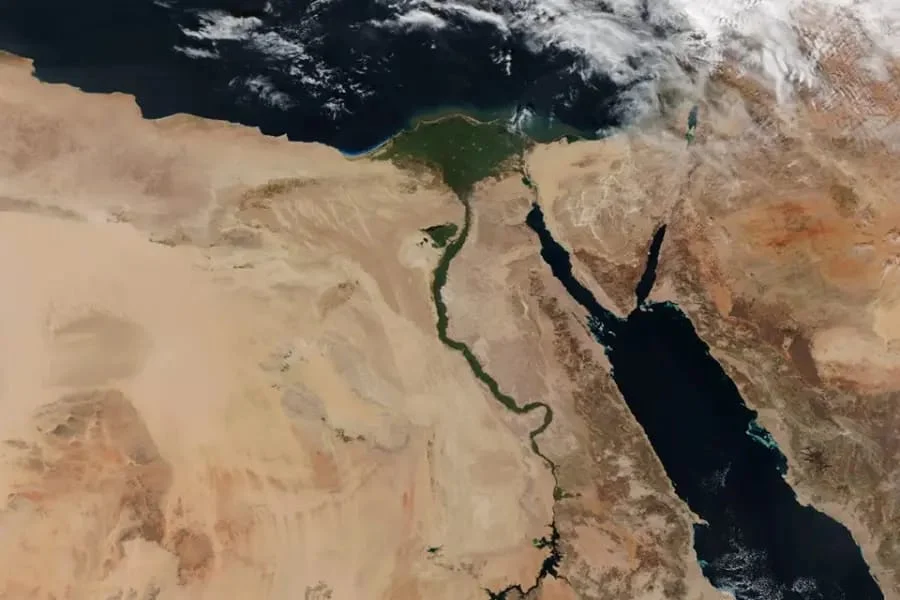
Since ancient times, the Nile Delta has been the heart of Egyptian farming and home to millions of people. Its mix of water and fertile land shaped daily life and gave Egypt its enduring strength.
Ancient Egyptian Civilization
For the people of the ancient Nile Delta, the river was life itself. Every year, the Nile brought dark silt that made the land ideal for growing wheat and barley. Families settled here because food was plentiful and the river offered safety. Towns and villages expanded rapidly, and some grew into famous cities — one of them was Tanis, once filled with temples and royal treasures. The delta was more than farmland; it was the foundation that allowed Egypt to grow, feed its people, and build a civilization that lasted for centuries.
Trade and Economy
The economy of the Nile Delta was not limited to farming. Its coastline opened directly onto the Mediterranean Sea, making it a vital trade hub. Small harbors along the delta welcomed ships carrying grain, papyrus, and linen out of Egypt, while timber, oil, and wine arrived in return. This continuous exchange of goods brought Egypt wealth and strong cultural connections with neighboring civilizations. For centuries, the delta stood as both a breadbasket and a gateway, linking local life to the wider world beyond its shores.
Agriculture and Fertility
The Nile River Delta is one of the most fertile regions on Earth. For thousands of years, people here have relied on the Nile’s yearly floods to refresh the land and bring new life to the fields.
Soil and Crops
What makes the land special is the mud, or silt, that the river used to leave behind. After every flood, the fields turned dark and soft — almost ready for planting without much effort. This is the secret of the Nile Delta’s fertility. Farmers grew wheat for bread, corn for daily meals, and cotton that became one of Egypt’s most famous exports. Many other crops thrived here too: vegetables, beans, and even flax for making linen. The soil always gave back, which is why people called the delta the “gift” of the river.
Modern Challenges
Today, things are not as simple as before. The High Dam at Aswan has played a major role in stopping the natural floods of the Nile, so the thick layer of silt no longer reaches the land each year. Farmers now have to rely on fertilizers instead — a costly solution that can also harm the soil. On top of that, the sea is slowly pushing inland. Parts of the coastline shrink every year, and salt water seeps into the soil. Add to this the growing issue of climate change, with rising sea levels and hotter summers, and you’ll understand why many talk about Nile Delta problems. The region still feeds millions, but it’s under pressure like never before.
Wildlife in the Nile River Delta
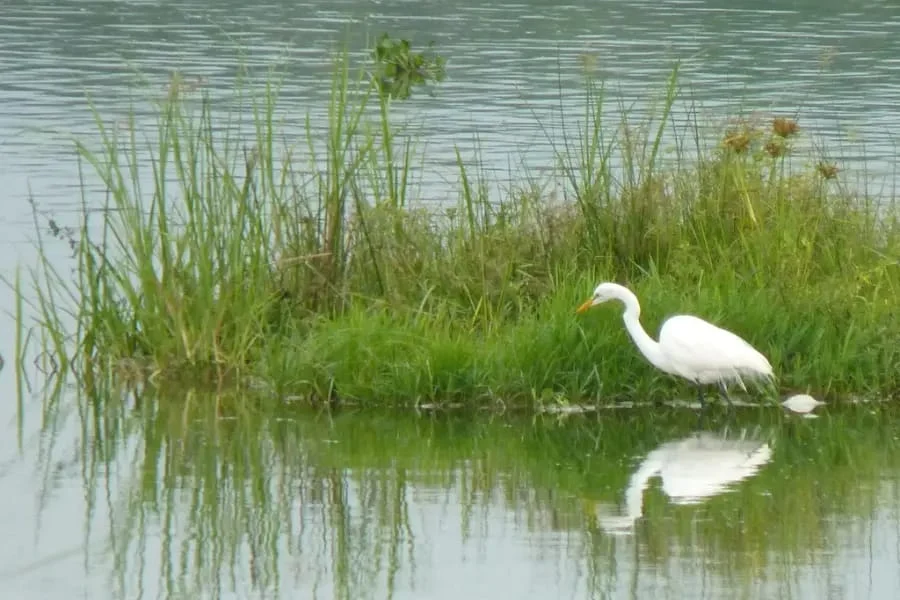
The Nile River Delta isn’t only about farming — it’s full of life. Every season, flocks of birds cross its skies: flamingos, pelicans, storks, and many more. Some rest for weeks in the wetlands, turning the water pink and white. Fishermen know these waters well, rich with tilapia and catfish. Along the banks, tall reeds and papyrus grow thick, making the landscape vibrant and wild. This is the living side of the Nile Delta Egypt — a place that changes and renews itself every single day.
Facts about the Nile Delta
Here are some quick facts people love about the Nile Delta:
| Fact | Detail |
|---|---|
| Continent’s Largest Delta | It’s the biggest delta in Africa. |
| Population | Almost half of Egypt’s population lives here. |
| Length | Extends about 240 km from south to north. |
| Width | Roughly 160 km across from east to west. |
| Branches | The Nile ends here in two main branches: Rosetta and Damietta. |
| Soil Quality | Famous for its dark, soft, and fertile soil ideal for farming. |
| Wildlife | A stopover for thousands of migrating birds each year. |
Conclusion
The Nile River Delta is where Egypt’s great river gives its final gift — land, food, and life. Sitting in the north, it has shaped history, farming, and the communities that live along its fertile banks. Even with today’s challenges, it remains the green heart of Egypt and a symbol of how the Nile continues to sustain life.
If you’re curious to explore more, read our complete Nile River Guide.
Travel Tip from Egypt Tours Group 🌿
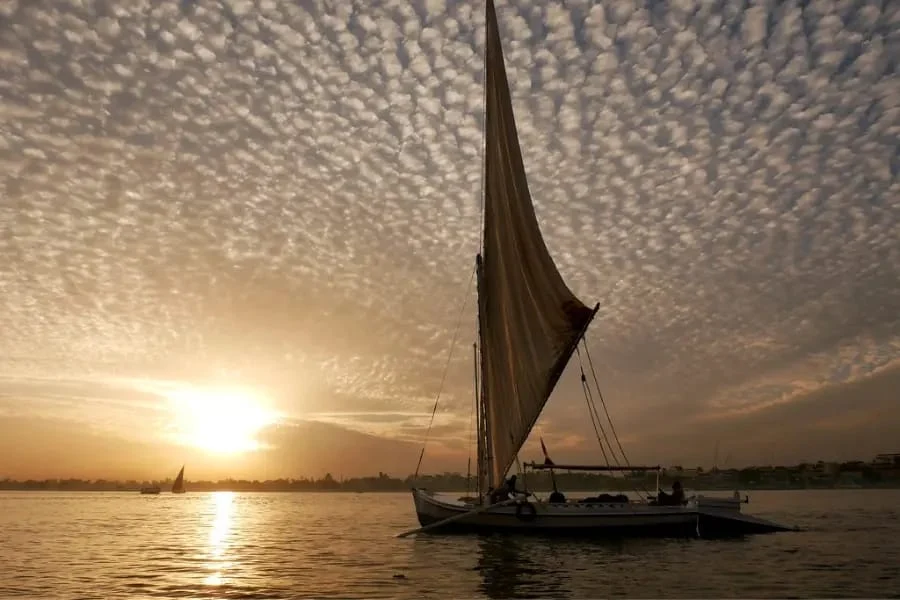
For a deeper connection with the Nile, take a felucca ride at sunset or join our Egypt Nile cruises between Luxor and Aswan. These experiences offer breathtaking views and timeless memories along Egypt’s lifeline.
The Nile Delta lies in northern Egypt, stretching between Alexandria in the west and Port Said in the east. It’s the point where the Nile River meets the Mediterranean Sea, forming a wide triangle of fertile green land.
Because it’s Egypt’s agricultural heart. The delta provides rich soil, fresh water, and food that have supported Egyptian civilization for thousands of years. Even today, it remains vital for farming, fishing, and trade.
The river divides into two main branches before reaching the sea — the Rosetta (Rashid) branch on the west and the Damietta (Dumyat) branch on the east — both carrying the Nile’s water into the Mediterranean.
The Nile Delta faces rising sea levels, soil salinity, and reduced silt deposits due to the Aswan High Dam. Climate change and population growth add pressure to its farmlands and natural habitats.
The delta is home to flamingos, pelicans, storks, tilapia, catfish, and migrating birds that pass through every season. Its wetlands and papyrus fields make it one of Egypt’s most diverse ecosystems.
Yes! Visitors can explore towns like Rosetta and Damietta, enjoy local seafood, visit old harbors, and experience authentic Egyptian countryside life in one of the most unique regions of the country.