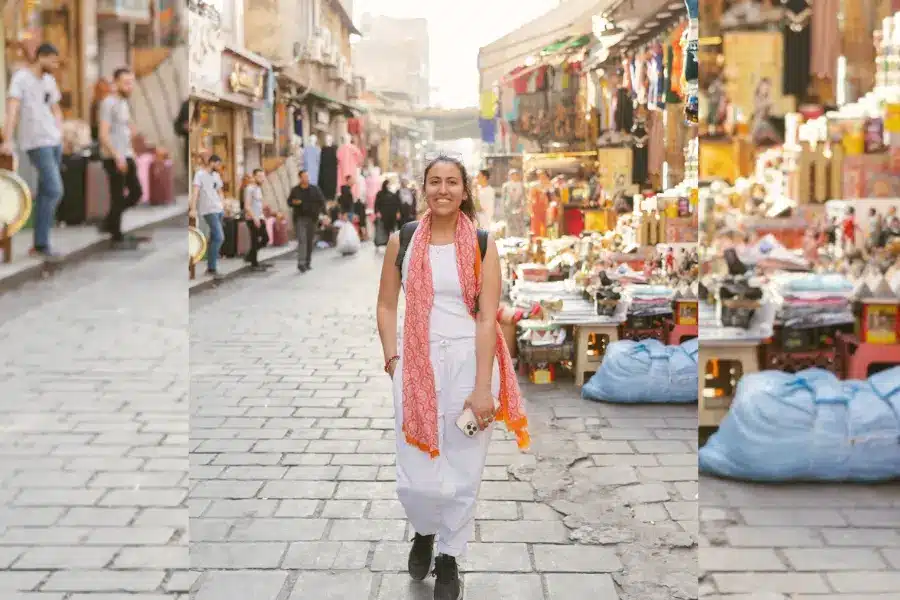
Cairo Citadel (Salah El Din Citadel) – History & Visitor Guide
Cairo Citadel stands proudly above the city as one of Egypt’s most remarkable historical landmarks. Construction began under Saladin in 1176 CE on the Mokattam Hills, and the fortress was later completed during the reign of Sultan al-Kamil. For more than eight centuries, it has overlooked Cairo while reflecting Egypt’s medieval power, military strategy, and architectural heritage.
Also known as the Salah El Din Citadel or Saladin Citadel Cairo, the fortress served as the seat of government and the residence of Egypt’s rulers for hundreds of years. Today, it remains one of Cairo’s most important attractions, where travelers can explore magnificent mosques, royal palaces, fascinating museums, and historic fortifications within a single complex.
Whether you’re planning your first visit to Cairo or adding the Cairo Citadel to your itinerary, this guide covers everything you need to know before you go. You’ll learn about its history, architecture, main attractions, ticket prices, opening hours, transportation options, nearby places to visit, and practical travel tips to help you make the most of your experience.

Salah El-Din Citadel
Key Takeaways
- The Cairo Citadel, also known as the Salah El Din Citadel, was founded by Saladin in 1176 CE and is one of Egypt’s most important medieval landmarks.
- The fortress sits on the Mokattam Hills, offering panoramic views over Cairo and serving as a strategic military stronghold for centuries.
- Inside the citadel, you’ll find iconic attractions including the Mosque of Muhammad Ali, Sultan Al-Nasir Mosque, Gawhara Palace, and several museums.
- The Cairo Citadel is part of Historic Cairo, a UNESCO World Heritage Site, reflecting centuries of Islamic, Mamluk, and Ottoman architecture.
- This guide covers everything you need to plan your visit, including the citadel’s history, ticket information, opening hours, transportation, nearby attractions, and practical visitor tips.
What is the Cairo Citadel?
Cairo Citadel is one of the largest and best-preserved medieval fortresses in the Islamic world. Construction began under Saladin in 1176 CE on Cairo’s Mokattam Hills and was completed during the reign of Sultan al-Kamil. Designed to strengthen Cairo’s defenses against Crusader attacks, it later became Egypt’s political and military center for centuries. Today, it is one of Cairo’s most important historical attractions and forms part of the Historic Cairo UNESCO World Heritage Site.
Built in a commanding location overlooking the capital, the citadel combines impressive military architecture with remarkable religious and cultural landmarks. Behind its massive stone walls, visitors can explore magnificent mosques, royal palaces, museums, and scenic viewpoints that offer some of the best panoramic views of Cairo.
Where is Salah ElDin Citadel Located?
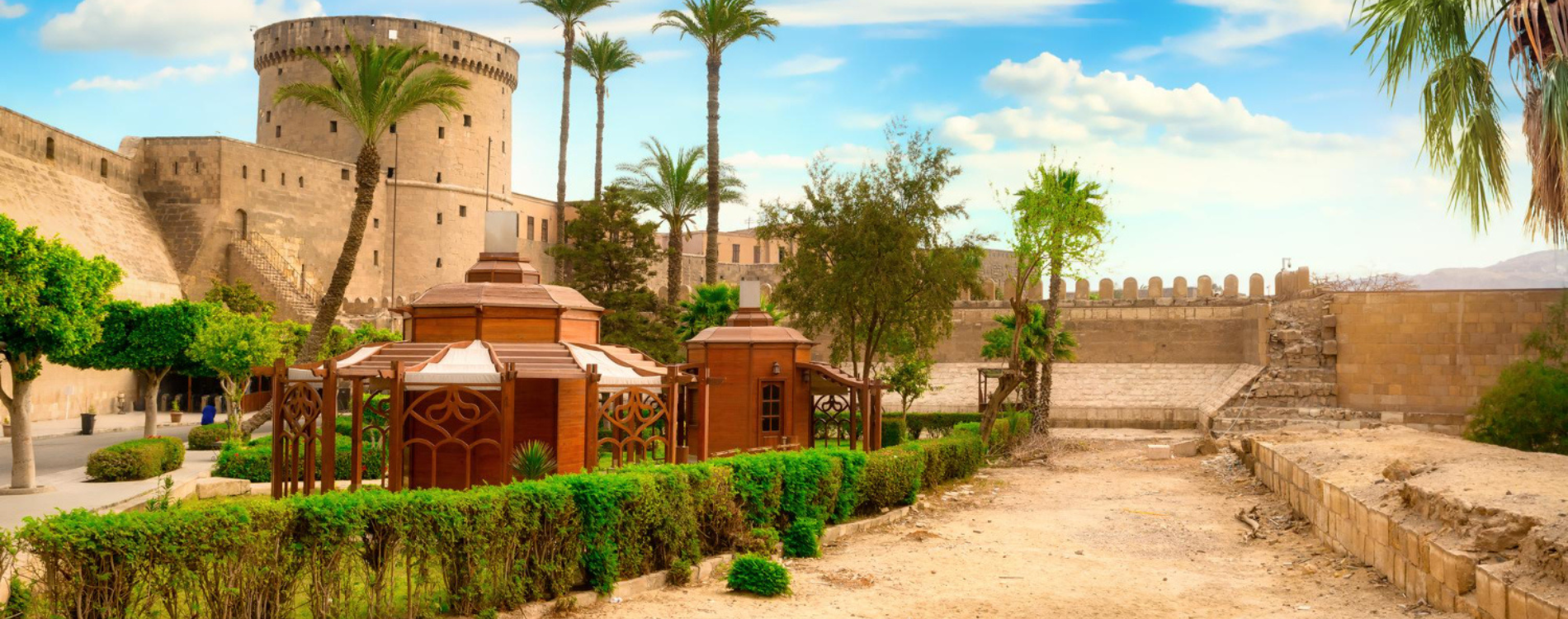
The Salah El Din Citadel is located on the Mokattam Hills in southeastern Cairo, overlooking both Historic Islamic Cairo and the modern city. Its elevated position gave the fortress a major defensive advantage, allowing soldiers to monitor approaching armies while protecting Egypt’s capital for centuries.
Today, the hilltop setting offers visitors one of Cairo’s best panoramic viewpoints. On clear days, you can enjoy sweeping views across the city skyline, spot the minarets of Historic Cairo, and even see the Pyramids of Giza in the distance under favorable weather conditions.
Location: Mokattam Hills, Salah Salem Road, Islamic Cairo, Egypt.

Map of Citadel’s Strategic Location
When was the Cairo Citadel Built?
Construction of the Cairo Citadel began in 1176 CE under the orders of Salah El Din (Saladin). The fortress was not completed during Saladin’s lifetime and was finished during the reign of Sultan al-Kamil around 1207 CE. Later rulers continued to expand and develop the complex.
History of the Cairo Citadel
The history of the Cairo Citadel began in the late 12th century when Saladin ordered the construction of what would become the Citadel of Salah Al Din, one of the most important military fortresses in medieval Egypt. Built during the Crusades, its primary purpose was to strengthen Cairo’s defenses and protect the city from potential invasions.
Under the Ayyubid dynasty, the fortress became the center of military planning and royal administration. The Mamluks later expanded the complex with magnificent mosques, palaces, gates, and defensive towers, transforming it into both a powerful fortress and a royal residence. During the Ottoman period, additional buildings were added, while the citadel continued to serve as Egypt’s political headquarters.
For nearly 700 years, Egypt’s citadel remained the official seat of government until the late 19th century. Today, visitors can still see the legacy of each ruling dynasty through its impressive collection of mosques, museums, palaces, and historic military structures. Many of these remarkable landmarks still stand today and can be explored during a visit to the citadel.

Construction of Salah El-Din Citadel
Who Was Salah El Din (Saladin)?
Salah El Din, known in the West as Saladin, was the Ayyubid sultan who united Egypt and Syria during the 12th century. In 1176 CE, he ordered the construction of the citadel to strengthen the city’s defenses against Crusader attacks and establish a secure seat of government outside the vulnerable Fatimid palaces.
Although Saladin did not live to see the fortress completed, his vision shaped what became Egypt’s political and military headquarters for nearly 700 years. Today, the citadel stands as one of the most enduring symbols of his leadership, strategic planning, and lasting influence on medieval Egypt.
Architecture of the Salah El-Din Citadel
The architecture of the Salah El-Din Citadel reflects more than seven centuries of Egyptian history. Although the fortress was originally built by Saladin as a military stronghold, later Ayyubid, Mamluk, and Ottoman rulers expanded and reshaped the complex, creating a remarkable blend of defensive engineering and Islamic architecture.
Constructed mainly from locally quarried limestone, the citadel features massive fortified walls, sturdy towers, and strategically placed gates designed to protect Cairo from invasion. Its elevated position on the Mokattam Hills not only strengthened its defenses but also provided commanding views across the city, allowing soldiers to monitor approaching threats from every direction.
As the citadel evolved from a fortress into the seat of government, elegant religious and royal buildings were added inside its walls. The Ottoman architecture in Egypt is most visible in the magnificent Mosque of Muhammad Ali, with its soaring central dome, slender minarets, and spacious courtyards, while the Mosque of Sultan Al-Nasir Muhammad showcases the refined details of Mamluk architecture. Palaces, museums, and administrative buildings from different eras further illustrate how each ruling dynasty left its own architectural signature.
Today, visitors can walk through the citadel and experience an extraordinary combination of Islamic military architecture, royal design, and artistic craftsmanship, making it one of the finest preserved medieval fortresses in the Middle East.

architectural style of Salah El Din Citadel
Main Attractions inside the Cairo Citadel
The Cairo Citadel is home to some of Egypt’s most treasured historical landmarks. From magnificent mosques and royal residences to fascinating museums, every attraction reveals a different chapter of the fortress’s long history. Together, they make the citadel one of the most rewarding places to visit in Cairo.
Mosque of Muhammad Ali
The Mosque of Muhammad Ali, often called the Alabaster Mosque, is the most famous landmark inside the Cairo Citadel. Built between 1830 and 1848, its impressive Ottoman-style domes, soaring minarets, and elegant interior dominate Cairo’s skyline. The spacious courtyard also offers some of the city’s finest panoramic views, making it a favorite spot for photography.
Visitor tip: Visit early in the morning or late afternoon for softer lighting and fewer crowds. Remember to wear modest clothing before entering the mosque.
Mosque of Sultan Al-Nasir Muhammad
Dating back to the early 14th century, the Mosque of Sultan Al-Nasir Muhammad is one of the finest surviving examples of Mamluk architecture in Egypt. Its marble courtyard, beautifully carved stonework, and distinctive minarets reflect the artistic excellence of medieval Islamic Cairo. Unlike the larger Alabaster Mosque, this mosque offers a quieter atmosphere where visitors can admire its architectural details without large crowds.
Visitor tip: Take a few moments to appreciate the original Mamluk craftsmanship, especially around the prayer hall and courtyard.
Gawhara Palace
Also known as the Jewel Palace, Gawhara Palace was built by Muhammad Ali as his official residence within the citadel. Today, it displays luxurious royal furniture, crystal chandeliers, decorative artwork, and personal belongings that provide a fascinating glimpse into the lifestyle of Egypt’s rulers during the 19th century.
Visitor tip: Some exhibition rooms may have photography restrictions, so check the posted signs before taking pictures.
National Military Museum
The National Military Museum explores Egypt’s military history from ancient civilizations to modern conflicts. Its collections include historical weapons, military uniforms, armored vehicles, aircraft models, and detailed exhibits covering some of the country’s most significant battles. It offers valuable insight into how Egypt’s armed forces evolved over thousands of years.
Visitor tip: Allow at least 45 to 60 minutes if you enjoy military history, as the museum contains several galleries with extensive displays.
Police Museum
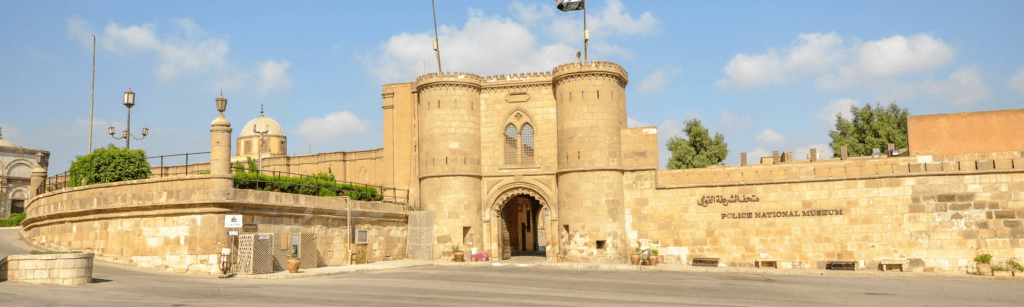
Located inside one of the citadel’s historic buildings, the Police Museum highlights the development of law enforcement in Egypt through rare documents, historical uniforms, photographs, and exhibits featuring famous criminal investigations. Although smaller than the Military Museum, it offers an interesting perspective on a lesser-known aspect of Egyptian history.
Visitor tip: Because it attracts fewer visitors than the main monuments, it’s an excellent stop if you’d like to explore a quieter part of the citadel while learning something different about Egypt’s past.

Attraction within Salah Eldin Citadel
Cultural & Historical Significance of the Cairo Citadel
The Cairo Citadel is more than a medieval fortress; it represents centuries of political power, military strategy, and Islamic heritage in Egypt. For centuries, it served as the seat of government, making it one of the country’s most influential historical landmarks.
Beyond its defensive role, the citadel became a center of religious, cultural, and architectural development. Successive dynasties, including the Ayyubids, Mamluks, Ottomans, and the family of Muhammad Ali, each left their mark, creating a unique collection of mosques, palaces, museums, and military structures within a single complex.
Today, the citadel forms part of Historic Cairo UNESCO World Heritage Site, preserving one of the finest examples of medieval Islamic architecture in the Middle East. It continues to welcome visitors from around the world who come not only to admire its monuments but also to understand how the fortress shaped Cairo’s growth as one of the Islamic world’s greatest capitals.
How to Get to Cairo Citadel
The citadel in Cairo Egypt is easy to reach from most parts of the capital. Whether you choose a private transfer, public transportation, or combine your visit with nearby Islamic Cairo attractions, getting there is straightforward. Because the fortress sits on the Mokattam Hills, the final approach is uphill, making a vehicle the most comfortable option for many visitors.
By Private Car or Guided Tour
The easiest way to reach the citadel is by private car or as part of a guided tour. Most visitors use Uber or a local taxi service, as these offer direct drop-off near the main entrance. If you’re joining an organized Cairo sightseeing tour, transportation is usually included, saving you the hassle of navigating Cairo’s busy streets.
There is a designated parking area close to the visitor entrance, making this the most convenient choice for families, seniors, and anyone with limited time.
By Public Transport
Salah Al Din Citadel is not directly served by the Cairo Metro. If you use the Metro, you’ll need to complete the final part of the journey by taxi or a ride-hailing service from a convenient central station. Routes and journey times vary, so check a live map on the day of your visit. For most travelers, a direct taxi, private transfer, or guided tour is the simplest option.
Walking or Short Transfers
If you’re already exploring Islamic Cairo, reaching the Citadel on foot is possible, although the route includes a noticeable uphill climb. Many travelers prefer taking a short taxi or Uber ride from nearby attractions such as Khan El Khalili, Sultan Hassan Mosque, or Al-Rifa’i Mosque, which typically takes only 5–10 minutes.
For comfort, especially during warmer months, it’s recommended to avoid walking uphill during the middle of the day and instead combine a short transfer with your sightseeing itinerary.

Exploring Salah El-Din Citadel
Visitor Tips & Tickets
Planning ahead will help you make the most of your visit to the Cairo Citadel. Below you’ll find the latest visitor information, including ticket prices, opening hours, and practical tips to enjoy the site comfortably.
Salah Al Din Citadel Tickets & Entry Fees
According to the official Ministry of Tourism and Antiquities visitor information, current admission fees are:
| Visitor | Ticket Price |
|---|---|
Foreign Adult | EGP 550 |
Foreign Student | EGP 275 |
Egyptian Adult | EGP 60 |
Ticket prices may change without prior notice. Some attractions or museums within the complex may also have separate admission arrangements, so check the official Ministry website or e-ticketing platform before your visit.
Opening Hours
Cairo Citadel is open daily from 8:00 AM to 5:00 PM. However, some attractions inside the complex close earlier. The Mosque of Muhammad Ali and the National Military Museum are currently listed as closing at 4:00 PM, while the Mosque of Sultan Al-Nasir Muhammad is open from 9:00 AM to 4:00 PM. Opening hours may change, so check the official Ministry website before your visit.
Visitor Tips
- Visit early in the morning for cooler temperatures, fewer crowds, and the clearest panoramic views of Cairo.
- Plan at least 2–3 hours to explore the mosques, museums, palaces, and viewpoints without rushing.
- Dress modestly if you plan to enter the mosques, especially the Mosque of Muhammad Ali. Clothing that covers shoulders and knees is recommended.
- Wear comfortable walking shoes, as the Citadel features stone pathways, stairs, and uneven surfaces.
- Arrive by 3:00 PM if you want enough time to explore the main mosques and museums before they close.
- Bring a camera or smartphone, as the Citadel offers some of the best panoramic photography spots in Cairo, particularly in the late afternoon.
Safety & Visitor Guidelines
This Citadel is one of Egypt’s most visited historical landmarks and is generally considered safe for tourists. Security is present at the entrance and throughout the complex, and most visitors explore the site comfortably throughout the day. Following a few simple guidelines will help you enjoy a smooth and respectful visit.
Safety Tips for Visitors
Whether you’re traveling independently or with a guided tour, these tips can make your visit more comfortable:
- Visit during official opening hours, preferably in the morning or late afternoon, to avoid the strongest midday heat.
- Keep valuables such as your passport, wallet, and phone in a secure bag while walking around the site.
- Wear comfortable shoes, as you’ll be walking on stone paths, stairs, and uneven surfaces throughout the fortress.
- Carry water and sunscreen, especially during the warmer months.
- Always ask permission before photographing local people, especially around religious areas.
Tips for Solo Female Travelers
Cairo Citadel is a popular attraction for both locals and international visitors, and many solo female travelers explore it independently without any issues.
For extra peace of mind:
- Dress modestly, particularly if you plan to enter the historic mosques inside the citadel.
- Stay within the main visitor areas, where staff, guides, and other tourists are always present.
- If you prefer a more relaxed experience, consider joining a private guided tour that includes transportation to and from the site.
Respecting Religious Sites
Several active and historic mosques are located inside the citadel, including the famous Mosque of Muhammad Ali. Visitors should help preserve these important religious sites by following local etiquette:
- Wear clothing that covers your shoulders and knees.
- Remove your shoes before entering prayer areas when required.
- Speak quietly and avoid interrupting worshippers during prayer times.
- Ask before photographing people inside religious buildings.
Accessibility
Accessibility is limited in parts of Cairo Citadel because of its elevated location, stairs, ramps, and uneven historic surfaces. Some main courtyards may be easier to access than other sections, but step-free access is not available consistently throughout the complex. If accessibility is essential, contact the site or your tour operator before visiting to confirm the most suitable route.
Salah El-Din Citadel: Guarding Cairo’s Legacy
Nearby Attractions
Salah Al Din Citadel is perfectly located for exploring several of Cairo’s most famous historical neighborhoods. Many of the city’s top attractions are only a short drive away, making it easy to combine them into a full day of sightseeing.
Sultan Hassan Mosque and Al-Rifa’i Mosque
Located directly below the Citadel in Salah ElDin Square, these neighboring mosques are the most natural additions to a Citadel visit. The Sultan Hassan Mosque is one of Cairo’s greatest examples of Mamluk architecture, while Al-Rifa’i Mosque is known for its impressive design and royal tombs.
Al-Azhar Mosque
Located around 10–15 minutes from the Citadel, Al-Azhar Mosque is one of the oldest universities and most influential centers of Islamic learning in the world. Its stunning courtyards and centuries of history make it a must-see for visitors interested in Islamic architecture and culture.
Khan el-Khalili
Just 15 minutes from the Citadel, Khan El Khalili is Cairo’s most famous traditional bazaar. Wander through its narrow alleys filled with handcrafted souvenirs, jewelry, spices, cafés, and historic buildings while experiencing the lively atmosphere of Old Cairo.
Coptic Cairo
Approximately 15–20 minutes away, Coptic Cairo offers a completely different side of the city’s history. This historic district is home to some of Egypt’s oldest churches, including the Hanging Church, as well as ancient monasteries and the Ben Ezra Synagogue, making it one of Cairo’s most important religious and cultural areas.
Pro Tip: Many travelers combine the citadel, Al-Azhar Mosque, Khan El Khalili, and Coptic Cairo into a single full-day Cairo tour, allowing you to experience the city’s Islamic, Christian, and medieval heritage in one unforgettable day.
Conclusion
Few landmarks capture Cairo’s layered history as clearly as the Cairo Citadel. Its fortified walls, mosques, palaces, and museums bring together centuries of military, political, and architectural history, while its hilltop setting offers memorable views across the city.
Whether you’re passionate about history, fascinated by architecture, or looking for one of Cairo’s most rewarding cultural attractions, the Citadel deserves a place on your itinerary. You can also combine your visit with the nearby Sultan Hassan and Al-Rifa’i mosques, followed by Khan El Khalili and other landmarks in Historic Cairo.
Visit the Cairo Citadel and discover the landmarks of Islamic Cairo with a knowledgeable Egyptologist guide, or explore our Cairo tours to find the experience that best suits your plans.
FAQs about the Cairo Citadel
What is the Cairo Citadel?
The Cairo Citadel is a medieval fortress whose construction began under Saladin in 1176 CE on Cairo’s Mokattam Hills. It later served as Egypt’s political and military center for centuries and forms part of Historic Cairo, which was inscribed on the UNESCO World Heritage List in 1979.
Who built the Salah El Din Citadel?
The Salah El Din Citadel was commissioned by Sultan Saladin (Salah El Din Al Ayyubi) in 1176 CE to strengthen Cairo’s defenses against Crusader attacks. Later rulers expanded the complex with additional mosques, palaces, and military buildings.
When was the Cairo Citadel constructed?
Construction of the Cairo Citadel began in 1176 CE during Saladin’s reign. It continued to develop under the Mamluks, Ottomans, and Muhammad Ali, who added many of the landmarks visitors see today.
Where is the Cairo Citadel located?
The Cairo Citadel stands on the Mokattam Hills in southeastern Cairo, overlooking Historic Islamic Cairo. Its elevated location offers panoramic views of the city and made it an ideal defensive fortress.
What are the main attractions inside the Cairo Citadel?
The most popular attractions include the Mosque of Muhammad Ali, Sultan Al-Nasir Muhammad Mosque, Gawhara Palace, the National Military Museum, and the Police Museum, along with several scenic viewpoints overlooking Cairo.
How much is the entrance ticket to the Salah El Din Citadel?
Current entry fees are EGP 550 for foreign adults, EGP 275 for foreign students, EGP 60 for Egyptian adults, and EGP 30 for Egyptian students. Children under six enter free. Prices may change, and some attractions may have separate admission arrangements, so check the official Ministry website before visiting.
How long does it take to visit the Cairo Citadel?
Most visitors spend 2 to 3 hours exploring the Cairo Citadel. This gives you enough time to visit the main mosques, museums, courtyards, and enjoy the panoramic views without rushing.
Why is the Salah El Din Citadel important?
The Salah El Din Citadel played a central role in Egypt’s political, military, and cultural history for nearly seven centuries. Today, it remains one of Cairo’s most significant Islamic monuments and an important symbol of medieval Egypt.
Is the Citadel in Cairo worth visiting?
Absolutely. The Cairo Citadel combines spectacular city views, remarkable Islamic architecture, fascinating museums, and centuries of history in one location, making it one of the most rewarding historical sites to visit in Cairo.
Is the Citadel a mosque?
No. The Cairo Citadel is a historic fortress complex rather than a single mosque. Inside its walls are several important mosques, including the famous Mosque of Muhammad Ali, along with museums, palaces, gardens, and military buildings.
Can you visit the Citadel at night?
Standard visiting hours are currently from 8:00 AM to 5:00 PM. Special evening openings or events may occasionally be announced, so check the official ticketing platform before your visit.
How to get tickets to Cairo Citadel?
Tickets can be purchased at the entrance or online through Egypt’s official e-ticketing platform. If you book a guided tour, admission may already be included, so check the tour inclusions before booking.