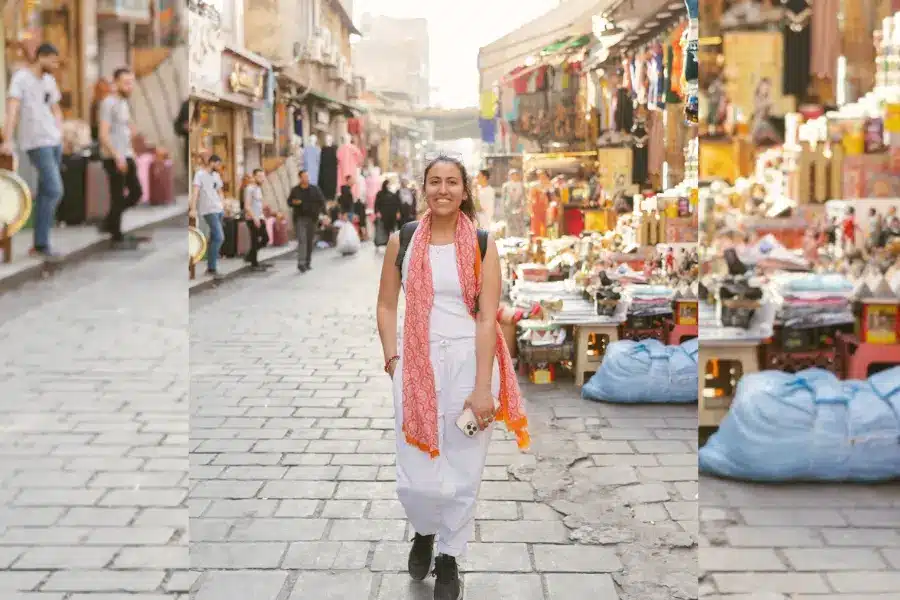

Coptic Museum in Cairo – Egypt’s Treasure of Christian Heritage
Coptic Museum in Cairo – Egypt’s Treasure of Christian Heritage
The Coptic Museum in Cairo houses the world’s largest collection of Coptic art, with about 16,000 objects dating from the 3rd to the 19th century. Marcus Simaika Pasha began building the collection in 1908, and the museum officially opened on March 14, 1910, inside the Roman Babylon Fortress in Old Cairo, a few steps from the Hanging Church.
The word “Coptic” comes from the Greek word for Egyptian. As you walk through the museum, you see how Egyptian Christians combined Pharaonic, Greco- Roman, Byzantine, and Islamic influences in manuscripts, icons, carved wood, textiles, and other objects.
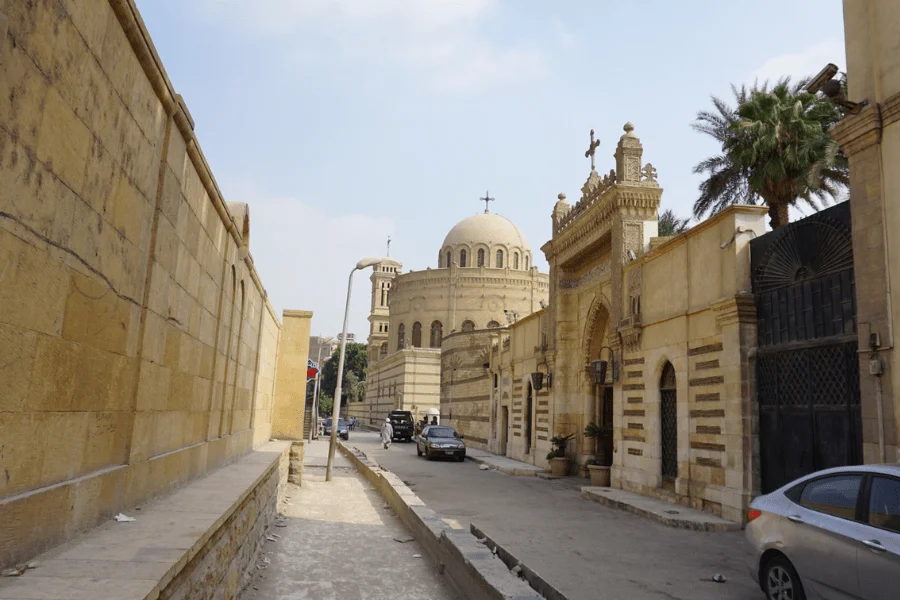
The Coptic Museum in Old Cairo, a landmark preserving Egypt’s Christian heritage
Key Takeaways
- The museum holds the world’s largest collection of Coptic art, with about 16,000 objects dating from the 3rd to the 19th century.
- Marcus Simaika Pasha began establishing the museum in 1908, and it officially opened on March 14, 1910. It became a state museum in 1931.
- The museum is located inside the Babylon Fortress in Old Cairo, beside the Hanging Church.
- It is open daily from 9:00 AM to 5:00 PM, with the last ticket sold at 4:00 PM.
- Mobile photography is free, while flash, tripods, and monopods are not allowed.
History of the Coptic Museum in Cairo
The Coptic Museum in Cairo began with Marcus Simaika Pasha’s efforts to preserve Egypt’s Coptic heritage. In 1908, he started establishing the museum on land belonging to the Coptic Church, and the Old Wing officially opened on March 14, 1910.
The museum remained under the Coptic Patriarchate until 1931, when it was transferred to the state and placed under the Department of Antiquities. As the collection grew, a New Wing was added and opened on February 20, 1947. A corridor connects the two wings and creates one continuous route through the museum.
The building underwent several restoration projects over the following decades. The museum was renovated in 1983 and 1984, its foundations were strengthened between 1986 and 1988, and further restoration work took place in 2005 and 2006.
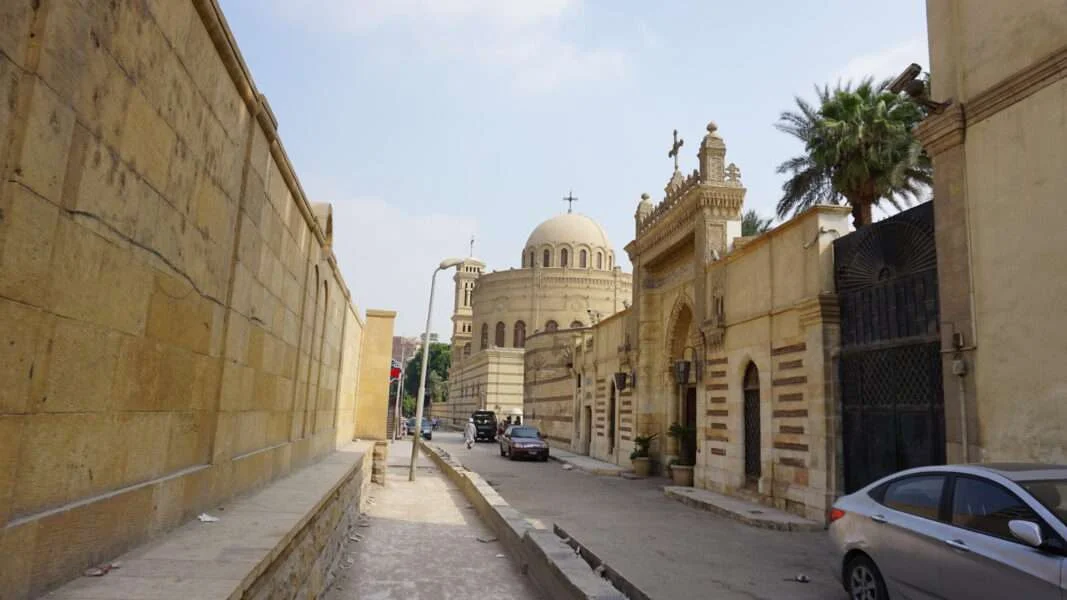
Coptic Museum across time
Marcus Simaika Pasha: Founder of the Coptic Museum
Marcus Simaika Pasha played a central role in establishing the museum in 1908. He collected Coptic antiquities and architectural elements from old churches and monasteries, especially from sites undergoing renovation, to protect important pieces from being lost or damaged.
He also used his own resources to help build the museum and develop its collection. His efforts created a permanent place where Coptic art and historical objects could be preserved and displayed for future generations.
Location of the Coptic Museum in Old Cairo
The museum is located at 3 Mari Girgis Street, inside the historic Religious Complex. It is about a 5- minute walk from Mar Girgis Metro Station on Line 1. If you take a taxi from Downtown Cairo, the journey usually takes around 20 to 25 minutes, depending on traffic.
Several historic sites are within easy walking distance, including the Hanging Church, Abu Serga Church, Saint Barbara Church, Ben Ezra Synagogue, and Amr Ibn Al As Mosque. Church tradition holds that the Holy Family took refuge in the cave beneath Abu Serga Church during their journey in Egypt.
For more details about the area and its historic sites, see our Coptic Cairo guide.
Babylon Fortress and the Religious Complex
The museum stands within the Roman Fortress of Babylon in Old Cairo, a historic defensive site that later became part of the Religious Complex. The area is home to several important religious sites, including the Hanging Church, Abu Serga Church, Saint Barbara Church, Saint George’s Greek Orthodox Church, and Ben Ezra Synagogue.
Together, these churches and the synagogue reflect the long religious history of Old Cairo and the different communities that have lived in the area over the centuries.
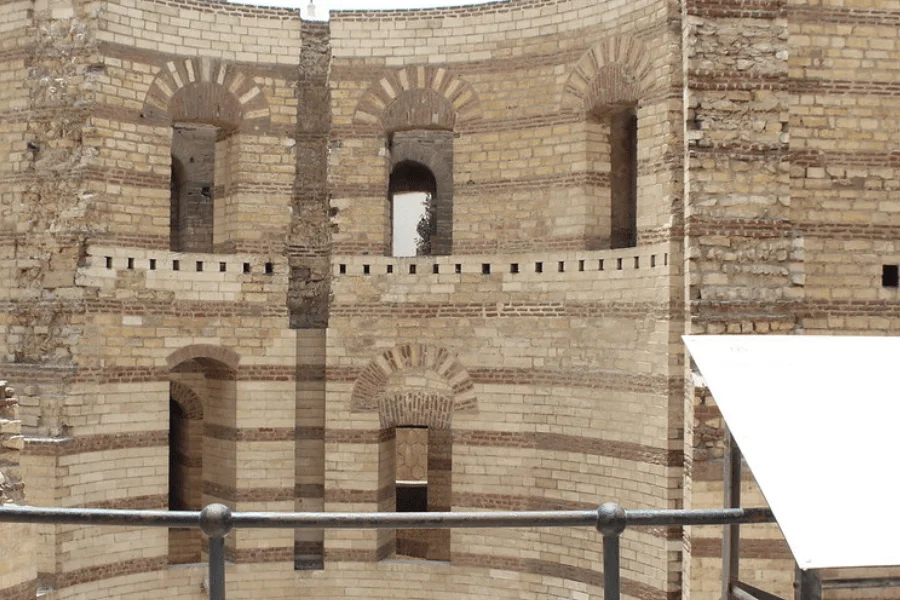
The museum stands in Old Cairo’s Religious Complex, surrounded by historic churches and sacred landmarks.
Architecture & Design of the Museum
The museum combines traditional Coptic architectural elements with influences from Islamic design. As you walk through the building, you see wooden mashrabiya screens, carved wooden ceilings, marble columns, and mosaic fountains that add distinctive details to the exhibition spaces.
The design also includes courtyards and halls arranged around the museum’s collections. These features give you a closer look at the architectural styles used in historic Egyptian buildings while you explore the exhibits.
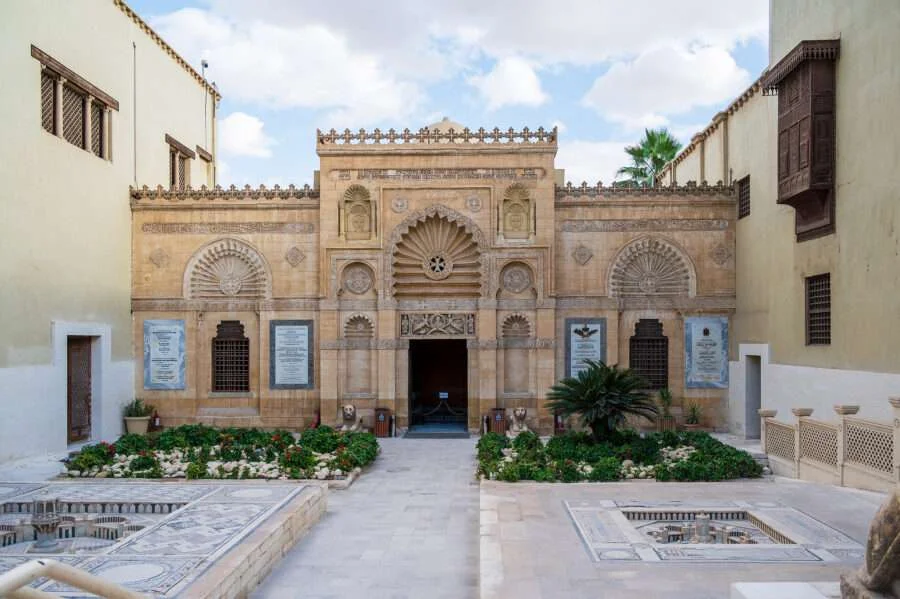
The museum’s architecture blends Coptic motifs with Islamic-inspired designs
Collections & Exhibits of the Coptic Museum
The Cairo Coptic Museum houses about 16,000 objects dating from the 3rd to the 19th century, arranged across 12 sections. The collection covers manuscripts, icons, carved wood, textiles, metalwork, ceramics, and other objects that document the development of Coptic art in Egypt.
Manuscripts & Texts
The museum’s manuscript collection includes religious and historical texts written in Coptic, Greek, and Arabic. Its library also preserves manuscripts from the Nag Hammadi collection, which are available to specialist researchers rather than general visitors. These manuscripts provide important evidence of the development of Christian writing and religious thought in Egypt over the centuries.
Icons & Paintings
The icon collection includes images of Christ, the Virgin Mary, and various saints, showing different styles used in Coptic religious art. One example is an 18th century icon showing Saint Thomas touching Christ’s wound, painted in a Greek style. The collection also includes icons of the Virgin and Child, along with other religious paintings from different periods.
Woodwork & Furniture
The museum displays wooden doors, screens, panels, furniture, and other carved pieces from different periods of Coptic history. Some examples date to the medieval centuries and feature geometric, floral, and religious designs that were used in churches and other historic buildings.
Textiles & Clothing
The textile collection includes garments, embroidered fabrics, tapestries, and other woven pieces from different periods. Some textiles date to the early Christian centuries, while later examples show how patterns, materials, and decorative techniques developed over time.
Glass, Metalwork & Ceramics
Glassware, metal objects, and ceramics from the 3rd to the 19th century represent both everyday and religious crafts from different periods of Coptic history. These pieces show the range of materials and techniques used by Egyptian craftsmen over the centuries.
Ivory Carvings, Pottery & Coptic Inscriptions
This section includes carved ivory, pottery, and inscriptions connected with different periods of Egyptian history. Some objects are associated with Ahnas, an ancient Egyptian site with Roman period remains. The collection also shows how early Christians adapted older Egyptian symbols. The ancient Egyptian ankh, for example, was used by early Christians as a cross known as the crux ansata.
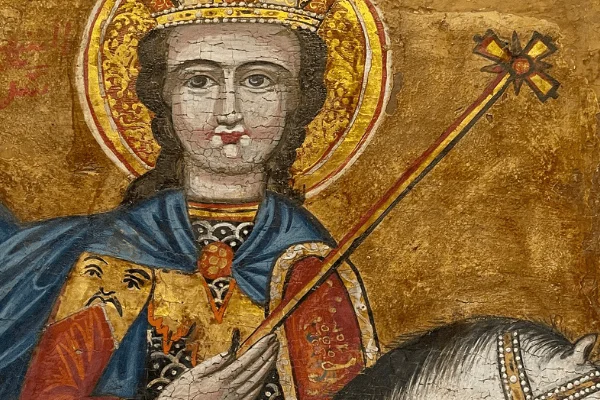
Early Christian painting at the Coptic Museum in Cairo, Egypt. Egypt Tours Group.
Religious & Cultural Significance of the Coptic Museum
The Coptic Museum in Egypt documents the history of Coptic Christianity through art, architecture, manuscripts, and everyday objects. Its collections show how Christian communities in Egypt developed their own artistic traditions while drawing on Pharaonic, Greco- Roman, Byzantine, and Islamic influences.
Because the museum stands within the Religious Complex of Old Cairo, you can place its collections in the context of the churches, synagogue, and other historic sites nearby. Visiting the museum alongside these monuments gives you a clearer view of the religious history preserved in this part of Cairo.
Christmas at the Coptic Museum
The museum has hosted temporary exhibitions and activities during the Christmas season in previous years, although the programme can change from year to year. In December 2021, it presented a three- week temporary exhibition called “A Song of Joy” with 11 artifacts, including two icons of Saint Nicholas and an icon showing the Nativity. The programme also included artistic performances for children and adults, guided tours with museum curators, and art workshops. Coptic Christians celebrate Christmas on 7 January, so if you plan to visit Old Cairo during the holiday period, check the museum’s current programme before your visit.
Planning to be in Cairo over the holidays? Our 4 Days Egypt Christmas Tour in Cairo stops at the Hanging Church and Ben Ezra Synagogue, a short walk from the museum. Seasonal activities at the museum change every year, so check the current programme before your visit.
Visiting Information: Tickets, Opening Hours & Tips
| Information | Details |
|---|---|
Opening hours | 9:00 AM to 5:00 PM, daily |
Last ticket | 4:00 PM |
Ramadan hours | 9:00 AM to 3:00 PM, with the last ticket at 2:00 PM |
Foreign adult / student | EGP 280 / EGP 140 |
Egyptian adult / student | EGP 20 / EGP 10 |
Free entry | Egyptians aged 60 and over, Egyptians with special needs, orphaned children, eligible government and Al Azhar school trips with prior booking, and children under 6 |
Photography | Mobile phone photography is free. Flash, tripods, and monopods are not allowed |
Adress | 3 Mari Girgis Street, Old Cairo |
Metro | About a 5- minute walk from Mar Girgis Station on Line 1 |
Suggested visit time | Around 2 to 3 hours if you combine the museum with nearby Old Cairo sites |
egymonuments.gov.eg |
Tips for Visiting
Visit in the morning on a weekday if you want a quieter experience. You can also combine the museum with the nearby churches and other historic sites in Old Cairo. If you plan to enter the churches, wear modest clothing. A guide can also help you understand the history and meaning behind the objects on display.
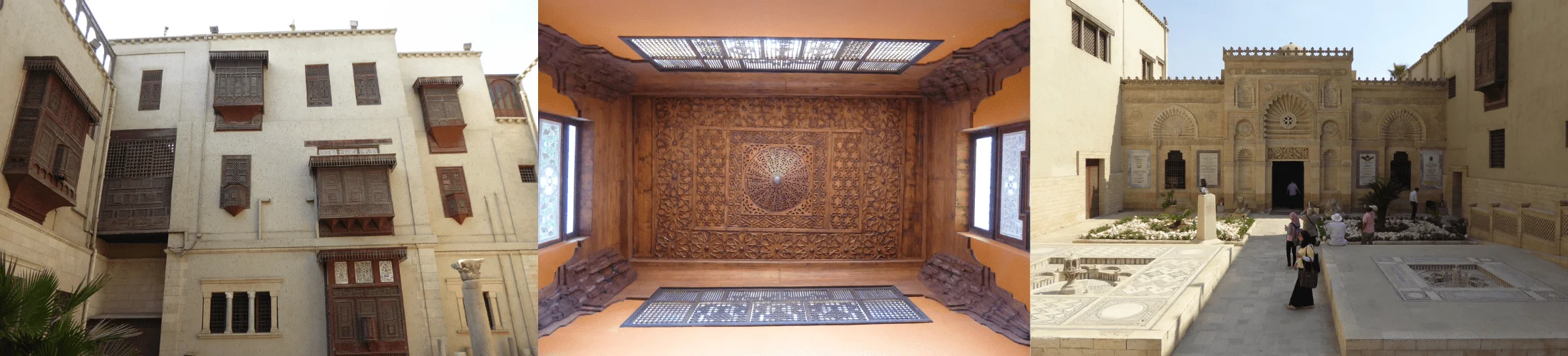
The Coptic Museum in Cairo – Egypt Tours Group
Conclusion
The Coptic Museum in Cairo brings together about 1,700 years of Egyptian Christian art and history inside the Babylon Fortress. For more than 20 years, Egypt Tours Group has organized private tours across Egypt, and our Coptic Cairo Tour visits the Hanging Church, Abu Serga, and Ben Ezra Synagogue, all located within a short walk of the museum. The museum itself is not included in the tour, but you can easily visit it separately before or after exploring the churches on the itinerary.
FAQs About the Coptic Museum
Where is the Coptic Museum located?
The museum stands inside the Babylon Fortress in Old Cairo, about a 5- minute walk from Mar Girgis Metro Station on Line 1. It is close to the Hanging Church and Ben Ezra Synagogue, making it easy to visit several historic sites in the same area.
When was the Coptic Museum founded?
Marcus Simaika Pasha began establishing the museum in 1908, and it officially opened on March 14, 1910. It became a state museum in 1931 after being transferred from the Coptic Patriarchate to the Department of Antiquities.
What can I see inside the Coptic Museum?
You can see about 16,000 objects arranged across 12 sections, including manuscripts, icons, carved wood, textiles, metalwork, and ceramics. The museum library also preserves manuscripts from the Nag Hammadi collection, which are available to specialist researchers.
How much is the entrance ticket?
Foreign adults pay EGP 280, while foreign students pay EGP 140. Egyptian adults pay EGP 20, and Egyptian students pay EGP 10.
Is photography allowed inside the Coptic Museum?
Yes. Mobile phone photography is free, but flash photography, tripods, and monopods are not allowed.
Is the Coptic Museum worth visiting?
Yes, especially if you are exploring Old Cairo. The museum houses the world’s largest collection of Coptic art and sits beside the Hanging Church, so you can visit both during the same morning.
How long do you need at the Coptic Museum?
Allow around 2 to 3 hours to explore the main halls and combine your visit with the nearby churches and other historic sites in Old Cairo.
Is the Coptic Museum suitable for children?
Yes. The textiles, carved wood, and icons give children plenty of visual details to explore. Older children may find the visit more engaging than younger ones, especially if they are interested in history, art, or religious objects.
Does the Coptic Museum have early depictions of Jesus?
Yes. The icon collection includes images of Christ, the Virgin Mary, and various saints from different periods. One 18th- century icon shows Saint Thomas touching Christ’s wound and is painted in a Greek style.